Newsletter Subscribe
Enter your email address below and subscribe to our newsletter

All voices matter
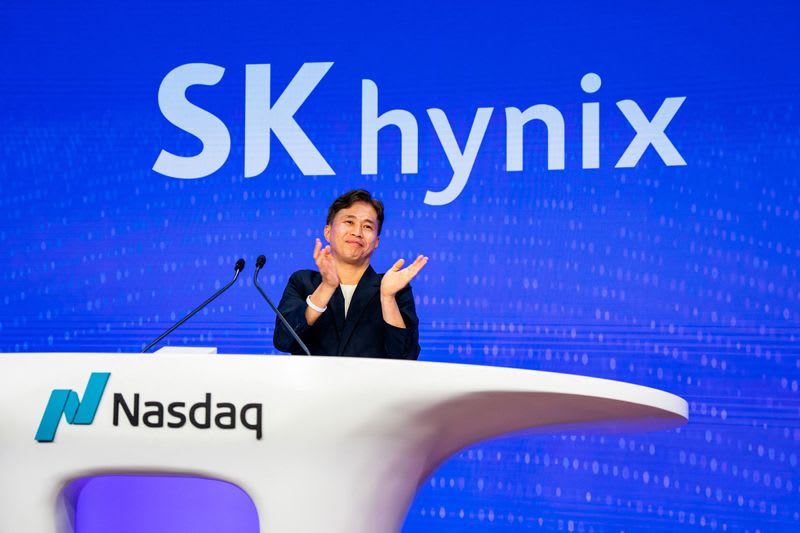
reuterspulse2+1reutersSK Hynix CEO Kwak Noh-jung warned Friday that 2027 will bring the worst memory chip supply shortage the industry has ever seen, with demand expected to outstrip supply beyond 2030, according to Reuters.reuters+1
The stark forecast from the world's second-largest memory chipmaker underscores a deepening structural crisis across the semiconductor supply chain, driven by insatiable demand from AI data centers consuming an ever-larger share of global memory output.
Kwak's warning aligns with comments from other chip industry executives who have painted an increasingly dire picture of supply constraints. Nvidia CEO Jensen Huang, during a visit to Seoul in June, said the shortage would persist for "quite a few years," describing it as a structural problem rather than a cyclical one. "The whole industry supply chain — everything from wafers to packaging to silicon photonics — everything's in short supply because the demand is so high," Huang said.facebook+2
Micron CEO Sanjay Mehrotra has similarly characterized demand as being at "unprecedented" levels. On the company's June earnings call, Mehrotra said he expects "tight conditions to persist beyond calendar 2027 as a result of AI-driven demand across all segments coupled with structural supply constraints". Mehrotra has also disclosed that Micron can only supply roughly 60 percent of what key customers are requesting.businessinsider+4
Micron announced this week that it is raising its planned U.S. investment to more than $250 billion through 2035, up from a previous target of $200 billion, to address the supply shortfall. The company poured its first concrete at its Clay, New York facility — expected to become the largest semiconductor manufacturing site in U.S. history — more than a quarter ahead of schedule. The company's U.S. projects across New York, Idaho, and Virginia are expected to create more than 90,000 jobs.pulse2+1
Micron also announced a separate $3 billion investment to strengthen the domestic semiconductor supply chain, including $500 million in financing support for GlobalWafers' 300mm silicon wafer facility in Texas.investors.micron
Analysts estimate that wafer supply is running more than 20 percent below demand, a gap expected to persist through 2030. Memory prices have already surged, with DRAM rising roughly 60 percent in 2025 and projected to climb another 30 to 40 percent in 2026. The shortage has been compounded by high-bandwidth memory for AI chips now consuming approximately 23 percent of total DRAM wafer capacity.tech-insider+1
As CNBC reported in June, Mehrotra attributed the crisis partly to years of aggressive customer pricing pressure that left the industry underinvested just as AI demand exploded.cnbc