Newsletter Subscribe
Enter your email address below and subscribe to our newsletter
[forminator_form id="25163"]

All voices matter
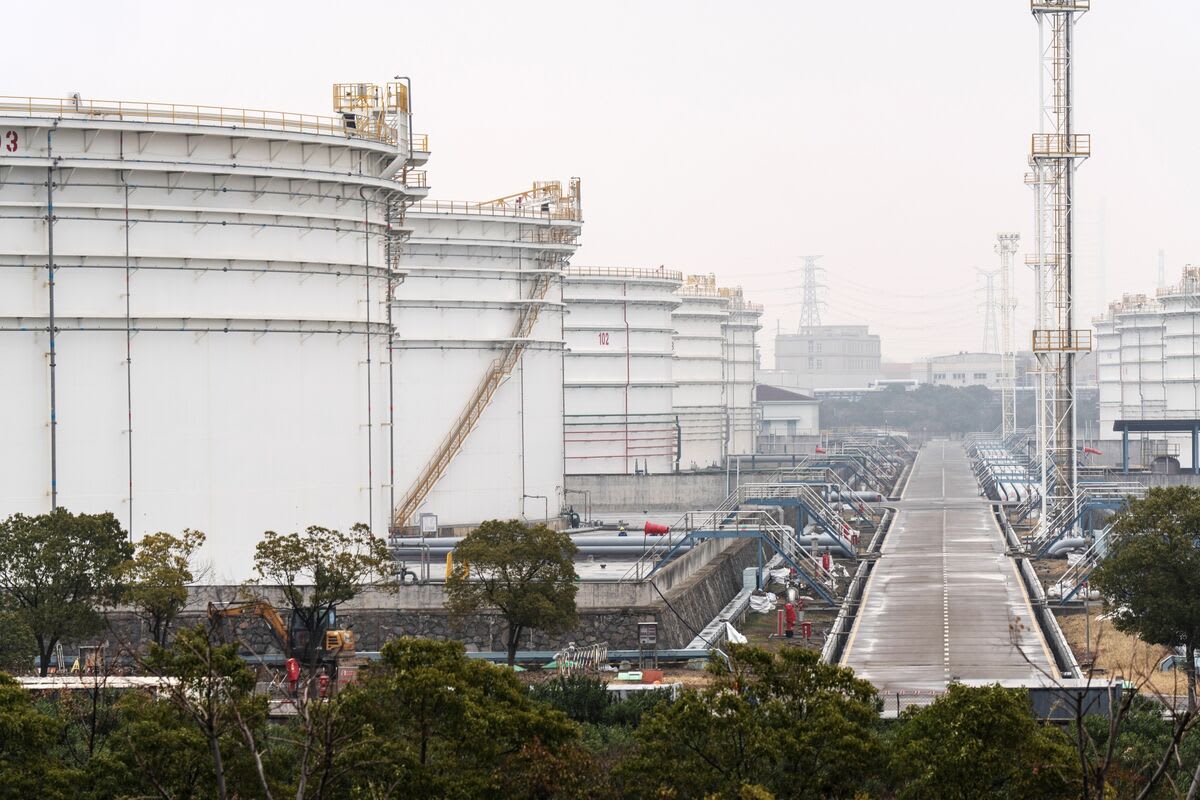
bloomberg+1reuters+1reutersChina Petroleum & Chemical Corporation, the world's largest refiner, reported a 19.3% increase in first-half net profit on Sunday and then delivered a landmark declaration on Monday: China's oil demand has likely already peaked.
Sinopec Chairman Hou Qijun told an earnings briefing in Hong Kong that clean energy development, electrification, and low-carbon goals mean the country's oil consumption probably crested in 2025, two years earlier than the company's previous forecast of 2027. The statement from the head of China's top refiner carries weight for global oil markets, given China's status as the world's largest crude importer.bloomberg+1
Net profit for the six months through June reached 25.63 billion yuan under Chinese accounting standards, up from 21.48 billion yuan a year earlier, according to a filing with the Shanghai Stock Exchange on Sunday. Under IFRS, profit attributable to shareholders was 26.567 billion yuan, an 11.9% year-on-year increase. The results came despite a 16 billion yuan impairment charge on inventories caused by sharp fluctuations in oil and fuel prices during the period.reuters+2
Sinopec's refining margin surged 44.1% year-on-year to 453 yuan per metric ton, driving a 381.5% jump in refining operating profit. The company processed 113.31 million metric tons of crude in the first half, down 5.6% from a year earlier, pointing to continued weakness in domestic fuel consumption.worldenergynews+1
Hou said Sinopec "will try all possible means" to secure crude oil amid ongoing Middle East supply disruptions, including sourcing from Saudi Arabia's Red Sea port of Yanbu and UAE oil piped to loading points outside the Gulf. The company plans to increase imports from Brazil and Africa to reduce its dependence on supplies transported through the Strait of Hormuz.reuters+1
Company officials said refined fuel use is expected to fall by 8% this year after registering a similar decline in the first half, outpacing an earlier forecast of a 4-5% drop. Sinopec also announced plans to spend more than 30 billion yuan on new energy, new materials, and other technologies between 2026 and 2030 to address falling fuel demand and petrochemical overcapacity.worldenergynews+1
The peak oil demand declaration represents a steady compression of Sinopec's timeline. In late 2024, the company projected Chinese consumption would top out by 2027 at no more than 800 million metric tons annually. That estimate itself was a revision from a broader 2026-2030 window used in earlier forecasts. The acceleration reflects the rapid adoption of electric vehicles and trucks powered by liquefied natural gas, which have eroded gasoline and diesel consumption faster than anticipated.reuters+1
Sinopec's chemicals division remained unprofitable, posting an operating loss exceeding 200 million yuan, though losses narrowed by about 4 billion yuan from a year earlier. The company expects to process roughly 113 million metric tons of crude in the second half, suggesting no anticipated recovery in domestic fuel demand.worldenergynews+1