Newsletter Subscribe
Enter your email address below and subscribe to our newsletter
[forminator_form id="25163"]

All voices matter
oedigital+1hamerintel+1oedigitalRussia's crude oil output has entered a new phase of decline as Ukrainian drone strikes on export infrastructure and tightening Western sanctions compound long-term production challenges, according to a revised forecast from Rystad Energy published this week.
The energy research firm now expects Russian crude production to average 8.95 million barrels per day in 2026, a downward revision of 90,000 bpd from its previous estimate, before falling further to around 8.6 million bpd in 2027. The revision reflects what Rystad described as "continued impact of renewed disruptions at western Russian export terminals and rising risks to seaborne exports."rystadenergy+1
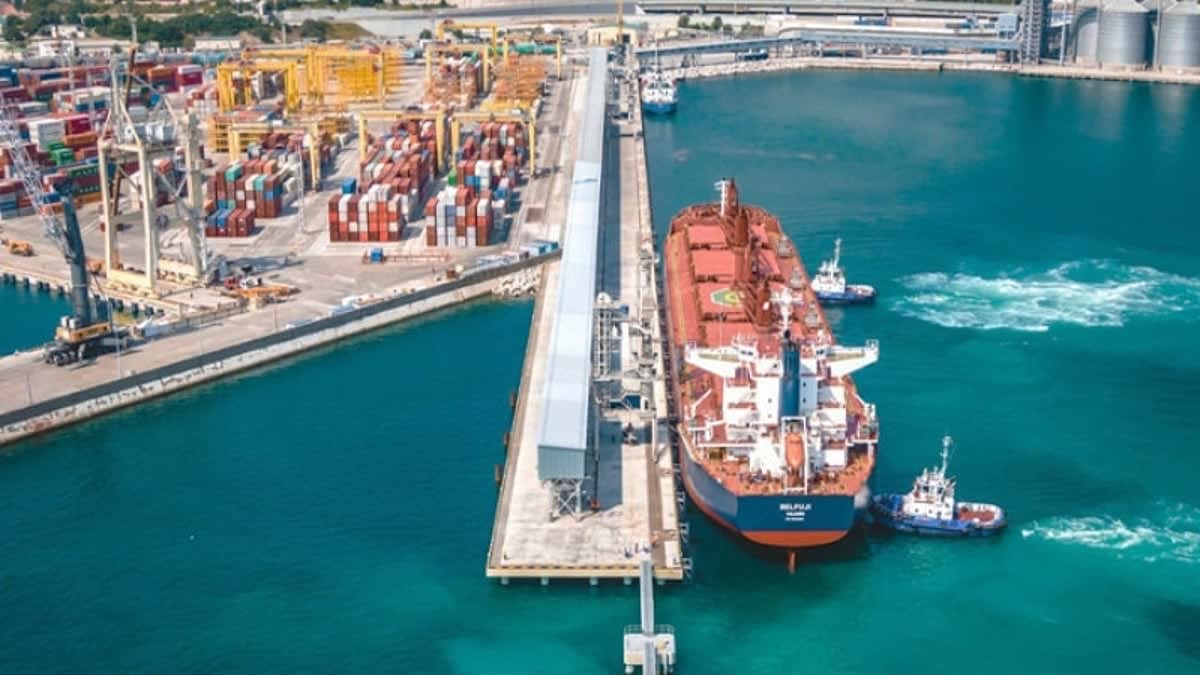
The forecast arrived as disruptions at the Black Sea port of Novorossiysk — Russia's largest crude export hub — intensified. On August 12, a major Ukrainian drone and missile attack lasting nine hours struck the port, prompting a suspension of operations reportedly through August 23. Reuters reported that two of Russia's biggest grain terminals at the port halted work following the overnight strikes.reuters+2
The Sheskharis oil terminal at Novorossiysk, which handles roughly 2.2 million barrels per day of crude exports — about 2 percent of global supply — has been a repeated target of Ukrainian attacks since late 2025. The latest disruption added upward pressure to oil prices on Friday, with Brent crude settling at $88.52 a barrel, up $1.45 on the day, according to Reuters.globalbankingandfinance+2
Rystad estimates Russia's spare production capacity at around 620,000 bpd in 2026, rising modestly to 700,000 bpd in 2027. But much of that idle capacity is tied to aging, high-water-cut wells that grow less likely to return to previous rates the longer they remain shut in. The firm warned that "part of the spare capacity created by recent production cuts is expected to be permanently lost over time."oedigital
A projected global oil surplus in 2027 — contingent on easing conflict in the Middle East — would further erode Russia's leverage with remaining buyers in China, India, and Turkey, who would gain greater access to non-sanctioned crude and demand steeper discounts. Russia's own government had forecast output of roughly 10.3 million bpd for 2026, a figure now far above independent estimates as sanctions-related costs, logistics challenges, and infrastructure damage continue to mount.investing+1