Newsletter Subscribe
Enter your email address below and subscribe to our newsletter
[forminator_form id="25163"]

All voices matter
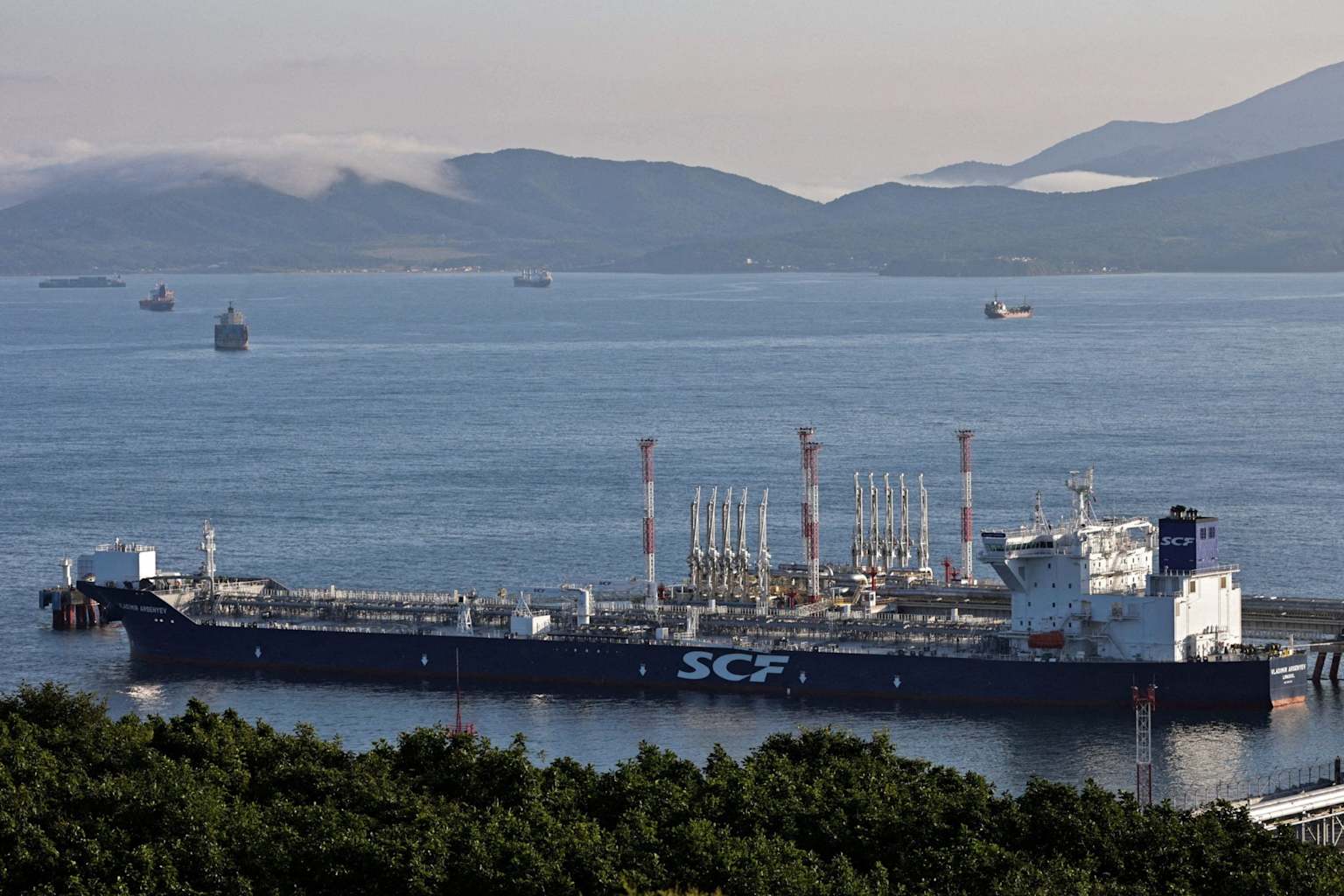
reuters+1themoscowtimes+1cbsnews+1Russia's ESPO Blend crude oil surged above $120 per barrel this week for the first time since April, driven by a scramble among Chinese state-owned refiners to secure supply as Middle Eastern disruptions threaten to leave refineries short of feedstock ahead of winter, Reuters reported Friday.reuters
The price spike has pushed the ESPO grade's premium over benchmark ICE Brent to record levels of $20 to $30 per barrel, according to Reuters calculations and trading sources. Russia's Urals blend has also climbed to $110 per barrel.globalbankingandfinance+1
Chinese state-owned energy firms led a buying spree to lock in November and December ESPO cargoes well ahead of the usual purchasing timeline, which typically runs one to two months in advance given the short shipping distance from Russia's Kozmino port. The rush left little supply for smaller independent refiners, known as "teapots," that have historically been the grade's main buyers, forcing them into other spot markets and adding further upward pressure to global crude prices.themoscowtimes+2
Premiums for ESPO had already crossed $20 per barrel during the APPEC conference in early September, S&P Global Commodity Insights reported, as Chinese buyers competed for limited Russian barrels amid growing concerns over fourth-quarter feedstock availability.spglobal
The surge in demand for Russian crude traces directly to the disruption of Saudi Arabian oil exports. On September 10-11, a series of drone strikes launched from Iraqi territory struck Saudi Arabia's East-West Crude Oil Pipeline, prompting the kingdom to shut down the conduit as a precautionary measure. The pipeline, with a capacity of 7 million barrels per day, had become the Saudis' primary alternative export route while the Strait of Hormuz remained effectively closed amid the U.S.-Israeli conflict with Iran.cnbc+2
Saudi Aramco is working to bypass the damaged section and restore partial capacity, with Bloomberg reporting the company expects to return the pipeline to full capability in roughly six weeks.ttnews
Compounding the supply picture, the U.S. House of Representatives passed legislation on Wednesday allowing President Donald Trump to impose tariffs of up to 100% on the top five purchasers of Russian oil and natural gas, in a 262-159 bipartisan vote. The bill, named the Lindsey O. Graham Sanctioning Russia and Iran Act of 2026, could hamper Russian oil flows to China and India, though traders warn such measures risk driving prices even higher and potentially boosting Russian revenue per barrel.cbsnews+2