Newsletter Subscribe
Enter your email address below and subscribe to our newsletter
[forminator_form id="25163"]

All voices matter

LinkedInEditors+1cnbc.com+1MB Capital Strategies+1The containerized freight index stands 87% higher than a year ago, and analysts warn that the cascading costs of rerouted global shipping — not just elevated oil prices — are now embedding themselves in consumer prices worldwide in a form of cost-push inflation that monetary policy alone cannot contain.
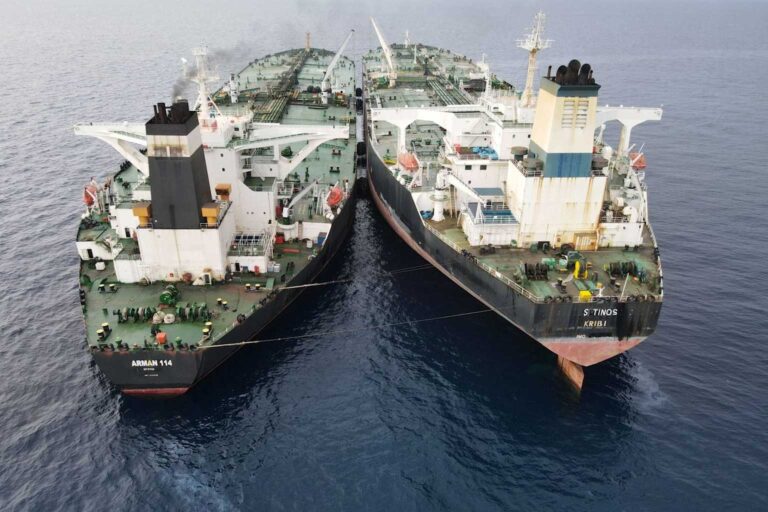
Since late February 2026, when U.S. and Israeli military operations against Iran triggered the closure of the Strait of Hormuz, the world's four largest container carriers — Maersk A.P. Moller – Maersk A/S, MSC, CMA CGM, and Hapag-Lloyd — have suspended transit through both the Hormuz and Bab el-Mandeb corridors. Vessels are now sailing around the Cape of Good Hope, adding 10 to 14 days per voyage and approximately 3,500 to 4,000 additional nautical miles on Asia-to-Europe routes. The detour adds $1.2 million to $2.5 million in fuel costs per round trip depending on vessel size, while war risk insurance premiums have surged from roughly 0.25% of hull value before the conflict to 3–10% by mid-July — meaning a $100 million tanker now pays $3 million to $10 million per voyage in insurance alone.cnbc.com+2
Transpacific spot rates from Asia to the U.S. West Coast climbed 120% between mid-May and early July 2026, while East Coast rates rose 85% over the same period. The Drewry World Container Index reached $4,639 per 40-foot container on July 9, its highest level since September 2024.MB Capital Strategies+1
UNCTAD's Global Trade Update for July/August 2026, published this week, estimates that global goods trade reached $13.7 trillion in the first half of the year, up 12.5% from the same period in 2025. But the agency noted the gains were "supported in part by rising prices" rather than reflecting purely stronger physical volumes. Services trade rose 10.5%, putting the combined total on course for a record annual value.LinkedInEditors+1
The U.S. Bureau of Transportation Statistics reported that the consumer price index for all transportation goods and services rose 5.0% year-over-year in March 2026, with gasoline alone contributing 18.1% of that increase. The Chartered Institute of Procurement and Supply warned earlier this year that 22% of procurement executives surveyed had already seen logistics cost increases exceeding 10%.The Guardian+1
The inflationary dynamic poses a dilemma for central banks. Unlike demand-driven price increases, cost-push inflation from longer voyages, higher insurance, and fuel surcharges cannot be cooled by raising interest rates without further dampening growth. UNCTAD cautioned in April that global trade growth is "expected to slow later in 2026, weighed down by persistent trade tensions and rising trade costs". With the Strait of Hormuz still seeing only about 53 transits per week — down 66% from pre-crisis levels — and no diplomatic resolution in sight, the shipping cost shock may prove more persistent than the oil spike that initially accompanied it.UN Trade and Development (UNCTAD)+1