Newsletter Subscribe
Enter your email address below and subscribe to our newsletter
[forminator_form id="25163"]

All voices matter
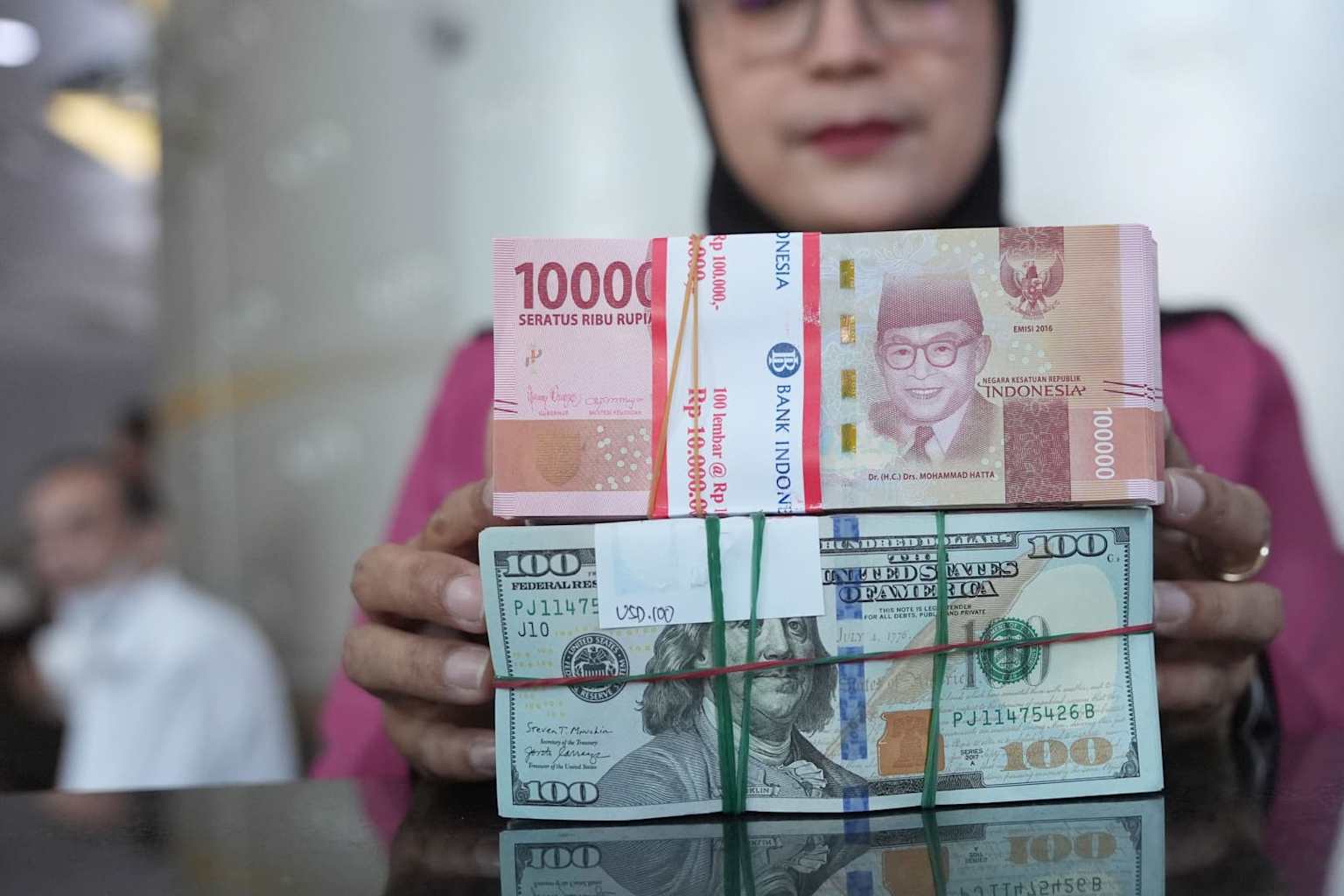
tradingeconomics+1centcombloombergThe South African rand and Indonesian rupiah weakened on Monday as a fresh escalation in the U.S.-Iran conflict drove investors away from emerging market assets, with both currencies facing renewed selling pressure amid deteriorating global risk appetite.
The rand traded around 16.37 against the U.S. dollar on July 13, weakening more than 1% from recent levels, according to Trading Economics data. The rupiah, already Asia's worst-performing currency this year, hovered near 18,043 per dollar. The selloff followed a weekend of intensifying hostilities between Washington and Tehran that rattled markets worldwide.tradingeconomics+1
U.S. Central Command completed a new wave of strikes against Iran on July 12, targeting air-defense systems, coastal radar sites, missile and drone capabilities across multiple locations. The strikes came after Iran fired on a container ship in the Strait of Hormuz and declared the waterway closed, according to CNN. Iran responded by attacking U.S. military facilities in Bahrain, Qatar, and the United Arab Emirates, according to NPR.cnn+2
The exchange of fire marked the third consecutive weekend of hostilities, dashing hopes that a memorandum of understanding signed on June 17 would hold. Al Jazeera reported on July 10 that technical peace talks, which had been expected to resume around July 11, were now in doubt following the latest strikes.aljazeera
The rand has been trading at the mercy of global risk sentiment since the U.S.-Israeli war with Iran began on February 28, Reuters reported. ETM Analytics noted that "most of the direction will come from developments in the Middle East, the performance of global equity markets and broader risk appetite".reuters
For Indonesia, the rupiah's weakness compounds an already difficult year. The currency has lost roughly 11% over the past 12 months, driving up import costs for energy and raw materials. Bank Indonesia raised rates by 25 basis points in a surprise move in June to defend the currency and contain inflation, lifting the benchmark to 5.5%, according to CNBC. Economists at DBS Group Research warned at the time they expected further tightening "to defend the currency".cnbc+1
The renewed fighting threatens to freeze emerging market debt issuance across Central and Eastern Europe, the Middle East, and Africa ahead of the summer lull. Bloomberg reported in early July that a gauge of emerging market currencies had erased all 2026 gains as higher U.S. interest rate expectations fueled dollar strength. J.P. Morgan JPMorgan Chase & Co. downgraded CEEMEA currencies earlier this year as the conflict intensified, and the latest escalation is likely to further dampen investor appetite for new deals in the region.itiger+1