Newsletter Subscribe
Enter your email address below and subscribe to our newsletter
[forminator_form id="25163"]

All voices matter
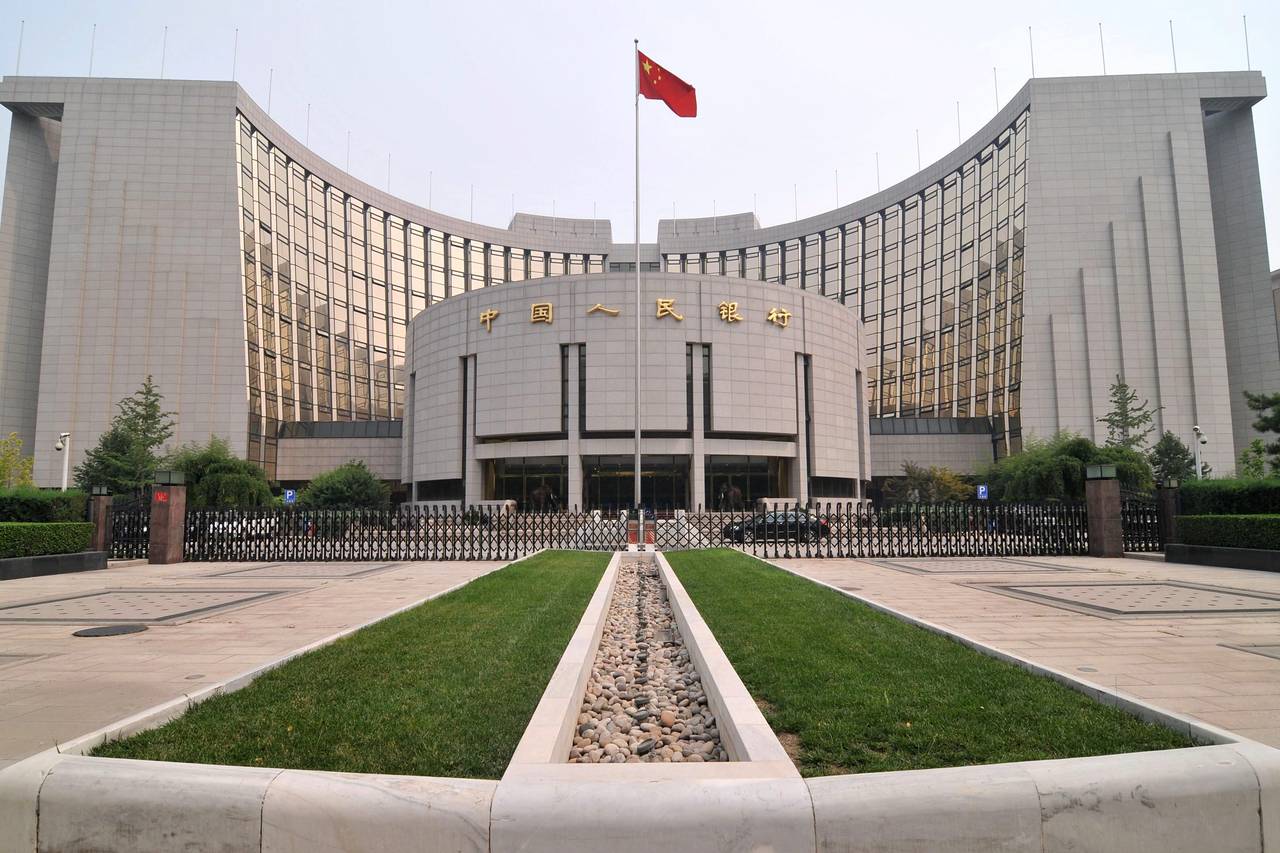
reuters.com.finance.yahoo.com+1.bloomberg.com+1.On Tuesday, November 3, China's central bank said it will make financial institutions hold more of their foreign-currency deposits in reserve. The move tightens onshore dollar liquidity and is meant to take some momentum out of the yuan's rally. The People's Bank of China (PBOC) will raise the foreign exchange reserve requirement ratio by 2 percentage points, to 6% from 4%, starting November 15, Reuters reported.reuters.com
The PBOC said the decision is "aimed at strengthening the management of foreign exchange liquidity in financial institutions." A Reuters calculation based on official foreign-currency deposit data puts the amount drained from the financial system at about $24 billion, according to the full Reuters report.finance.yahoo.com
The offshore yuan, quoted as USD/CNH, was heading for its first drop in almost three weeks after the announcement. It weakened by as much as 0.3% in offshore trading, Bloomberg reported. Dow Jones said the step followed the yuan's climb to a multiyear high against the dollar. Under the new rule, banks will have to lock up an extra 2% of their foreign-currency deposits with the central bank.bloomberg.com+1
Other signals point the same way. On Monday, the PBOC set its USD/CNY daily fixing near 6.71. That was well weaker than a Reuters estimate of about 6.66, investingLive noted. The outlet added that the amount of liquidity removed is modest, so the policy signal may matter more to markets than the mechanics.investinglive.com
"The PBOC is responding to strong market-driven yuan appreciation," said Marco Sun, chief financial market analyst at MUFG (China), according to Reuters. "By absorbing part of the available US dollar liquidity in the banking system, it is attempting to reduce the momentum behind yuan appreciation and prevent the market from developing excessive one-way expectations."finance.yahoo.com
The yuan has gained more than 5% against the dollar this year, making it one of Asia's best-performing currencies. Robust exports, large trade surpluses and heavy corporate conversion of foreign currency into yuan have supported the gains, Reuters reported.finance.yahoo.com
The increase reverses the PBOC's September 2023 cut to the ratio. That cut was made to stem rapid yuan losses and capital outflows, according to Reuters. The ratio has stood at 4% since then, so this is the first increase in several years, investingLive noted. The central bank has historically raised the ratio to slow appreciation and lowered it to support a weakening currency.investinglive.com+1
The South China Morning Post also reported the 6% rate and the November 15 start date. The question now is whether a mostly symbolic drain of dollar liquidity will be enough to cool a rally driven by China's export strength.scmp.com