Newsletter Subscribe
Enter your email address below and subscribe to our newsletter
[forminator_form id="25163"]

All voices matter
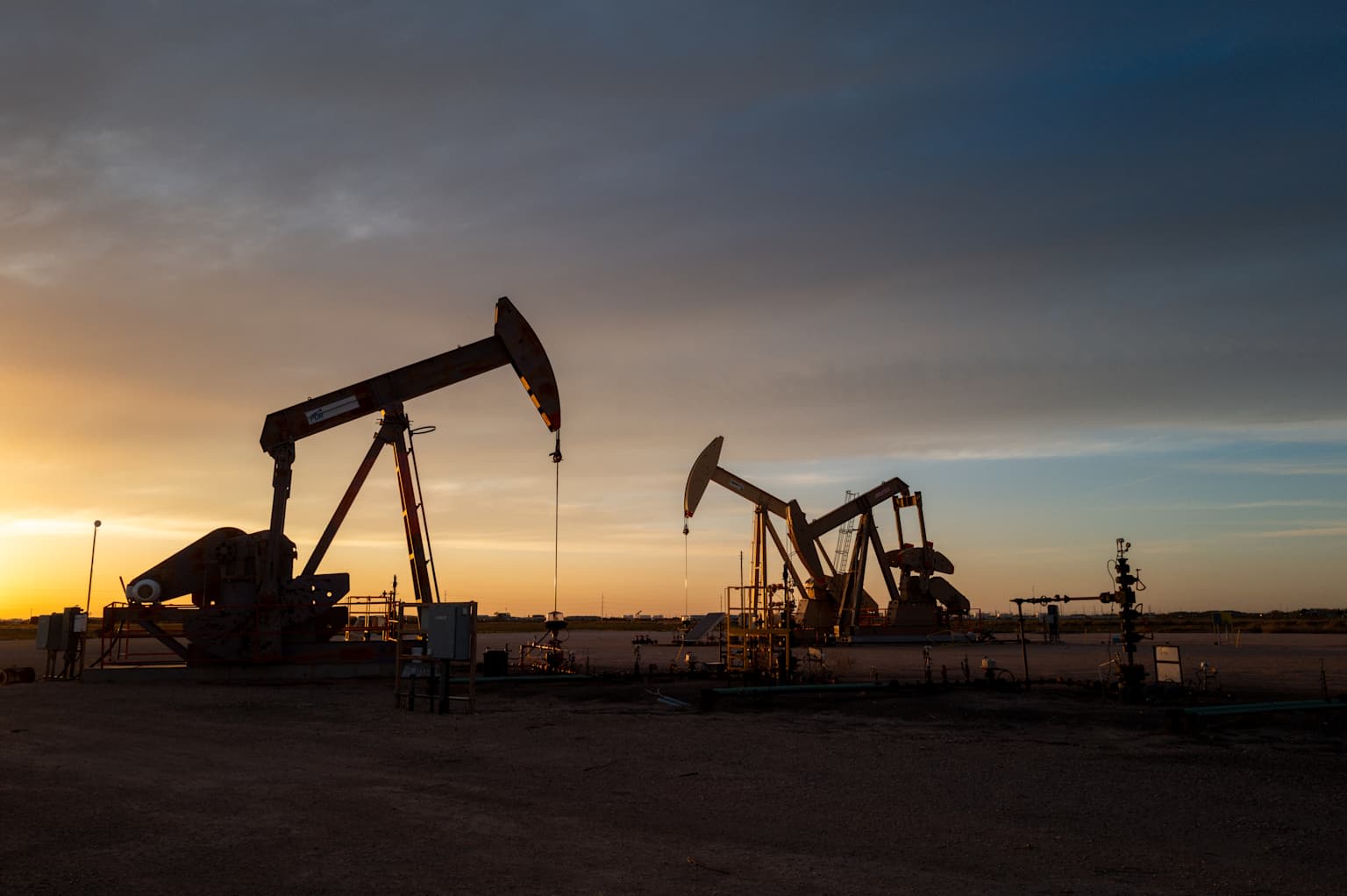
aljazeera+1gasprices.aaa+1cnbc+1Brent crude surged past $90 per barrel on Sunday — its highest level in more than a month — after the United States and Iran exchanged fresh military strikes over the weekend, rattling energy markets and pushing U.S. gasoline prices back above $4 per gallon. Oil prices later retreated on Monday after signals emerged that diplomatic channels between Washington and Tehran remain open.
The price spike followed confirmation that at least three U.S. service members were killed in an Iranian attack on a base in Jordan on July 17, prompting the United States to carry out a ninth consecutive night of strikes against Iranian military targets. U.S. Central Command said it struck coastal surveillance sites, air defense facilities, and Islamic Revolutionary Guard Corps forces responsible for the Jordan attack.reuters+3
Iran's Supreme Leader Mojtaba Khamenei accused President Trump of violating a prior U.S.-Iran agreement and pledged a strong response if strikes continued. The Houthi militants in Yemen, backed by Iran, also declared a maritime embargo against Saudi Arabia, adding further pressure to global oil supply routes.cnbc+1
Brent crude for September delivery briefly topped $90 per barrel in overnight trading Sunday before pulling back to around $88 on Monday, according to CNBC reporting. The S&P 500 futures pointed higher Monday morning, suggesting equity markets were stabilizing after absorbing the energy shock.cnbc+1
The national average price of regular gasoline hit $4.00 per gallon on Monday, according to AAA data — the first time since mid-June that the politically sensitive threshold was breached. Analysts at Energy Aspects warned that further disruptions to Strait of Hormuz shipping could push oil past $100 per barrel.gasprices.aaa+1
Iran's Foreign Ministry spokesman Esmail Baghaei said Monday that negotiations with the United States could be pursued based on national interests, and that intermediaries had continued to exchange messages amid the fighting. U.S. Secretary of State Marco Rubio said the United States is "always open to a diplomatic solution". Bloomberg reported that a proposed 10-day ceasefire is under discussion, though not yet in place.aljazeera+2
The renewed inflation risk complicates the Federal Reserve's policy outlook. Markets had already priced in one potential rate hike in 2026 after the Fed held rates steady at 3.50%–3.75% earlier this year. June's Consumer Price Index showed annualized inflation at 3.5%, and rising energy costs threaten to push that figure higher in July.oilprice+1