


Newsletter Subscribe
Enter your email address below and subscribe to our newsletter
[forminator_form id="25163"]

All voices matter
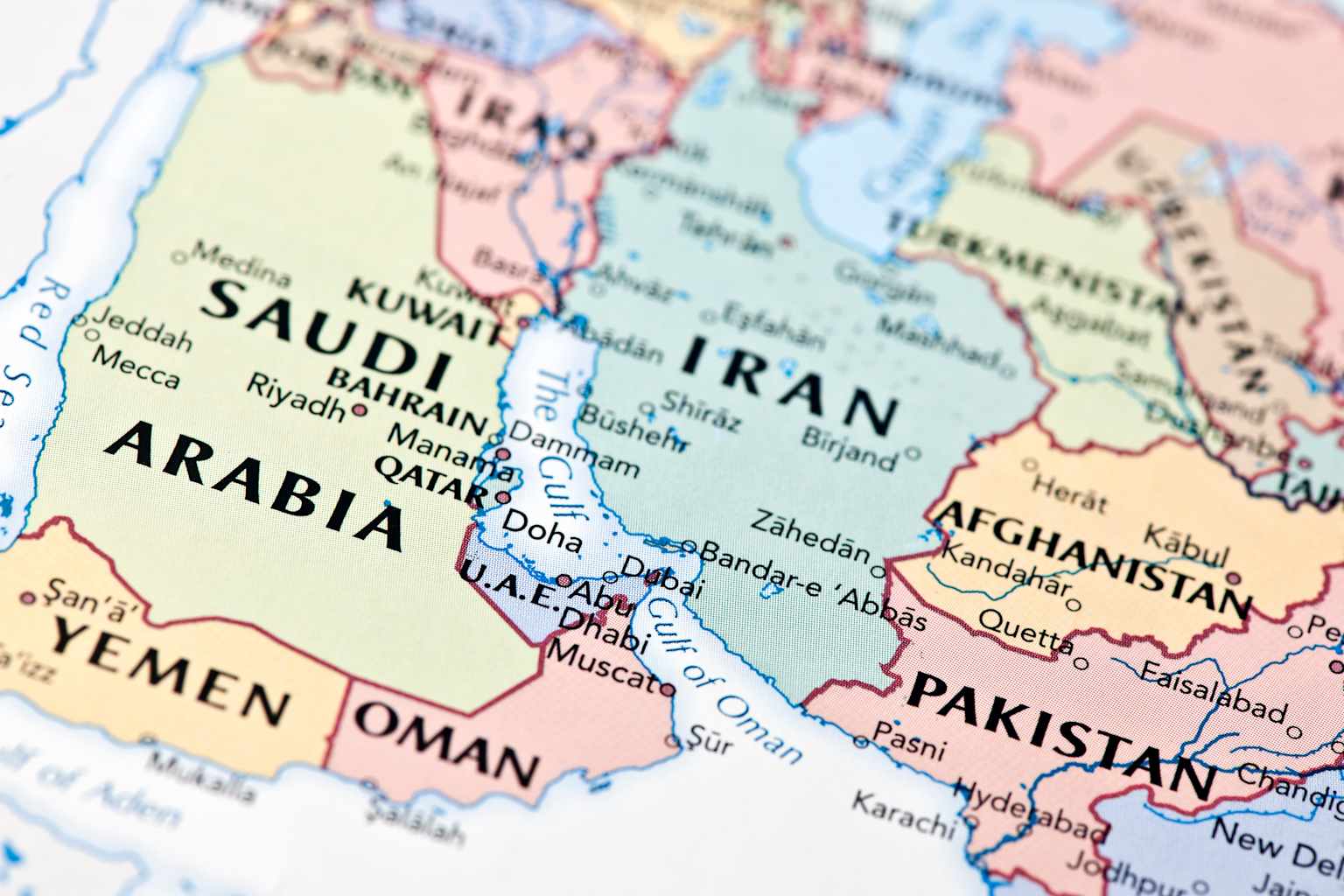
globalbankingandfinance+1businesspostglobalbankingandfinanceCrude oil prices surged to their highest levels since late July this week before easing slightly on Friday, as President Donald Trump threatened "crushing economic warfare" against Iran and Treasury Secretary Scott Bessent announced plans to impose what he called the "toughest sanctions in history" on Tehran, with details set for release on Monday.
Brent crude futures touched $94.71 a barrel on Thursday before pulling back to around $93.44 on Friday morning, while U.S. West Texas Intermediate crude slipped to $86.76 after topping $88 the previous session. Both benchmarks posted five consecutive sessions of gains, with Brent rising more than 7% and WTI climbing more than 8% over that stretch.globalbankingandfinance+2
Trump described the planned campaign as "economic warfare and isolation on an unprecedented scale," warning countries that provide "any type of lifeline to Iran" of severe consequences. Bessent said the new sanctions would complement the existing U.S. naval blockade of Iran and urged China and other nations to cooperate.businesspost+2
Iranian Foreign Minister Abbas Araghchi dismissed Trump's threat as a "diversion". China, one of Tehran's primary crude oil purchasers, similarly rejected Washington's warnings.canadiancattlemen+1
The temporary peace agreement between the United States and Iran expired this week with neither side initiating efforts to resume negotiations.blockonomi+1
The Strait of Hormuz, through which roughly one-fifth of global oil consumption passed before the war began on February 28, remains severely restricted. Maritime data from ship-tracker Kpler showed just seven commodity vessels transited the waterway on Thursday, a fraction of pre-war traffic.grafa+1
Bob McNally, president of Rapidan Energy Group, told CNBC that Iran's key export terminal at Kharg Island "is not exporting anymore" due to the U.S. blockade, making Iranian oil volumes effectively irrelevant to global supply balances.investing
The UAE's decision to suspend all financial and economic transactions with Iran added another layer of uncertainty. The refined products market is already flashing severe tightness, with the U.S. diesel crack spread hitting a record above $100 per barrel earlier this week.globalbankingandfinance+2
BMI, a unit of Fitch Solutions, said it will review its Brent price outlook this month, noting risks are "tilted to the upside" given twin disruptions at the Strait of Hormuz and the Red Sea. UBS analyst Giovanni Staunovo said lower oil exports from the Middle East "are once again tightening the oil market".firstpost+2
The conflict has also been compounded by Ukrainian strikes on Russian refining infrastructure, which have cut Russia's throughput by nearly 30% and forced Moscow to ban diesel exports in July. Global refinery runs in the second quarter were 5.1 million barrels per day lower than a year earlier, according to the International Energy Agency.international.astroawani+1
"Both sides are dug in but lacking the luxury of time to play the waiting game, against a backdrop of crude prices grinding unerringly higher," IG analyst Tony Sycamore said.globalbankingandfinance


