Newsletter Subscribe
Enter your email address below and subscribe to our newsletter
[forminator_form id="25163"]

All voices matter

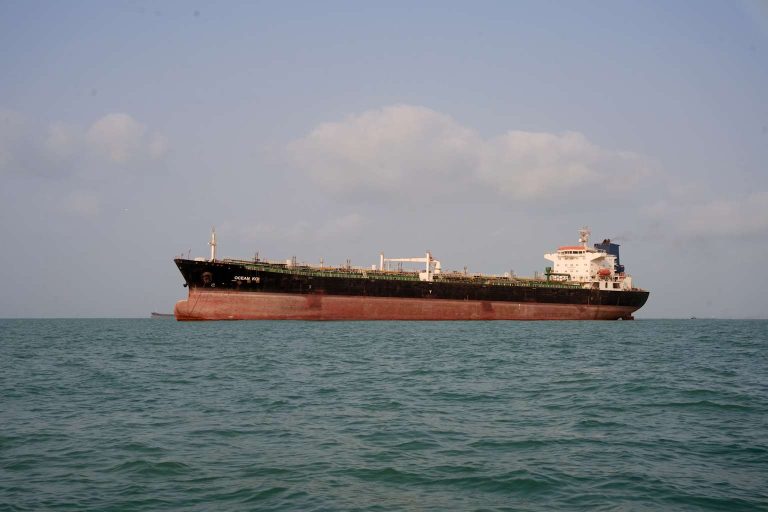
seekingalpha+1thedailystar+1moneycontrolBrent crude surged roughly 6% over the past week, settling at $88.52 a barrel on Friday after attacks on two Abu Dhabi National Oil Company vessels transiting the Strait of Hormuz and a breakdown in ceasefire negotiations between the United States and Iran. U.S. West Texas Intermediate crude finished at $82.40, up about 5.4% for the week.thedailystar+1
The rally extended into Sunday's Asian session, with Brent rising a further 0.5% as traders weighed renewed Israeli strikes on Lebanon and the prospect of additional U.S. sanctions on Iran ahead of the formal expiration of a ceasefire on Monday.seekingalpha+1
The Strait of Hormuz, through which roughly 20% of global oil and liquefied natural gas supplies flowed before U.S.-Israeli attacks on Iran began in late February, remains heavily constrained. The UAE government condemned Thursday's tanker attacks as Iranian aggression, while the U.S. said it could maintain its naval blockade of Iran indefinitely.thepeninsulaqatar+1
"We're getting a rally going into the weekend after new attacks on tankers and lack of progress on a ceasefire agreement," said Andrew Lipow, president of Lipow Oil Associates. He warned that a "day of reckoning" may come if traffic through the strait remains limited.thedailystar
Treasury Secretary Scott Bessent added further pressure, saying on Newsmax: "Watch this space for more announcements coming next week because we are going to apply measures like have never been seen in the history of economic isolation of a country."thedailystar
Geopolitical risk escalated further over the weekend when President Trump said he intends to declare the Strait of Hormuz U.S. territory once the war against Iran is concluded. Iran's deputy foreign minister rejected the claim outright.moneycontrol
Despite the supply squeeze, oil's advance was tempered by weakening demand signals. U.S. commercial crude stocks posted a surprise 17.4-million-barrel build, the largest weekly increase since January 2023. OPEC trimmed its 2026 demand-growth forecast for the fourth consecutive time to 580,000 barrels per day, while the International Energy Agency widened its consumption contraction estimate to 1.6 million bpd.ts2+2
"Storage is holding up much better than feared, which should pull oil prices lower," said Norbert Rucker, head of economics and next generation research at Julius Baer.thedailystar
A Ukrainian drone strike that suspended crude exports from Russia's Novorossiysk terminal on Friday added a further layer of supply disruption, supporting prices even as the demand outlook softened.thedailystar