Newsletter Subscribe
Enter your email address below and subscribe to our newsletter
[forminator_form id="25163"]

All voices matter
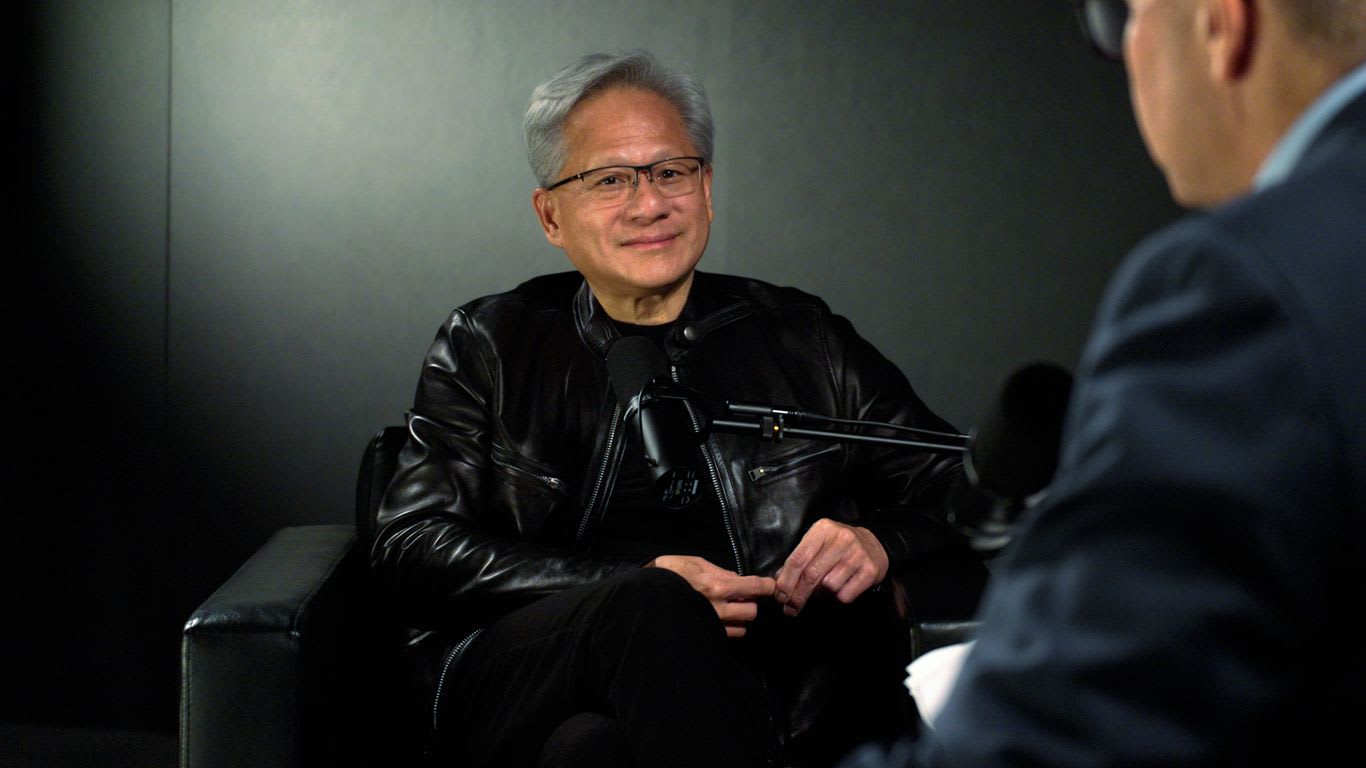
fortunefortune+1meteoraweb+1Nvidia CEO Jensen Huang pushed back against growing fears of an AI bubble, telling Axios cofounder Mike Allen that the semiconductor boom has "years to run" and that the chip industry must grow five- to tenfold within the next decade to meet demand for artificial intelligence infrastructure.
In a wide-ranging interview published on July 25, Huang was asked directly whether the chip sector is due for a bust. "No, not for a while," he replied. When Allen pressed him on whether "this time is different," Huang embraced the phrase — one long considered a red flag on Wall Street for its association with past bubbles including the dot-com era.finance.yahoo+1
"This time is different because this is not demand driven," Huang said. "This is industrially driven, meaning the fundamental technology of computers is changing."fortune
Huang argued that the world needs an entirely new layer of computing infrastructure dedicated to AI, and that supply constraints in chips, power, land, and construction labor are actually beneficial because they prevent the kind of overbuilding that typically precedes a bust. "We basically are constrained in every single direction, in every single way," he said. "That constraint is what holds the system back."fortune
He acknowledged a bust will come eventually but maintained it is not imminent. Huang has previously projected that global AI infrastructure investment could reach $3 trillion to $4 trillion annually by the end of the decade.cnbc+1
The interview came days after Huang completed a visit to Tokyo, where Nvidia announced partnerships with Japanese industrial leaders including Fujitsu, Toyota, Fanuc, Kawasaki Heavy Industries, and Kioxia to deploy what the company calls "physical AI" — artificial intelligence embedded in robots and factory systems.youtube+2
Huang said physical AI was a natural fit for Japan given its manufacturing heritage, and that Nvidia would build a Vera Rubin AI factory delivering 140 megawatts of computing power, expected by 2028. The collaboration with Fujitsu and other robotics firms aims to combine Japan's mechatronics expertise with Nvidia's AI platforms to power smarter factories and autonomous robots.meteoraweb+2
Despite Huang's confidence, chip stocks have sold off in recent weeks amid renewed skepticism about the sustainability of massive AI capital expenditures. Hyperscalers including Alphabet have recorded negative free cash flow as they tap bond markets to fund infrastructure buildouts. Huang dismissed concerns about his customers borrowing to buy his chips, insisting the investment reflects a permanent shift in how computing works rather than cyclical demand.fortune