Newsletter Subscribe
Enter your email address below and subscribe to our newsletter
[forminator_form id="25163"]

All voices matter
bolnews+1tribunestraitstimesFive days after a glacier on Mount Langtang Lirung fractured and sent a wall of ice, rock and mud surging through Himalayan valleys, the combined death toll across Nepal and China has reached 919, with nearly 4,800 people still unaccounted for as rescue teams race to reach hundreds believed trapped inside hydropower tunnels.
Nepal's National Disaster Risk Reduction and Management Authority reported Monday that 903 people had died on the Nepalese side, while Chinese state media confirmed 16 deaths in Gyirong County in Tibet, according to Reuters. A total of 4,793 people remain missing, including 853 foreign nationals.bolnews+2
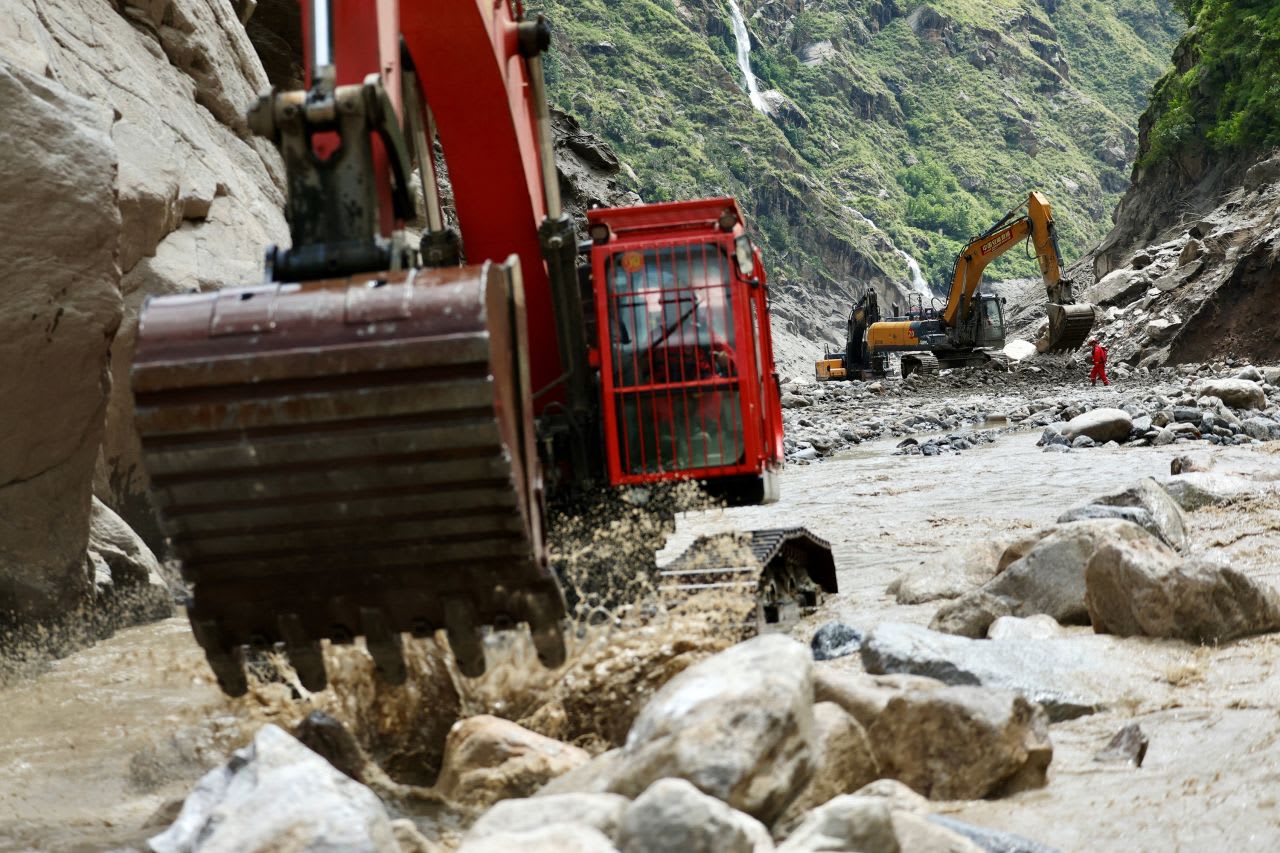
Rescue efforts on Monday focused on 933 workers believed stuck at 11 hydropower projects across the hard-hit districts of Rasuwa and Nuwakot, many of them inside half a dozen tunnels buried under debris. Nepal's army said teams were using controlled blasts, excavators and searchlights to clear water and mud, recovering three bodies after entering two tunnels while other sections remained buried.tribune
"A large amount of debris has been deposited, and that is posing us a big challenge to open the tunnels," Nepal army spokesperson Raja Ram Basnet told Reuters. China has deployed more than 2,100 personnel supported by hundreds of vehicles and specialized equipment, while Indian tunnel experts have also joined the effort.yenisafak+1
Among the missing in Nepal are 25 police officers, 45 army personnel, 13 armed police force members and 14 customs officials. On the Chinese side, Beijing said 261 foreign nationals from 23 countries were unaccounted for near the Gyirong border crossing.bolnews+1
The disaster has laid bare shortcomings in high-altitude monitoring. Dharam Raj Uprety, chief executive of Nepal's disaster authority, told Bloomberg that victims had "barely a few minutes' warning" before floodwaters arrived, citing the absence of weather stations in remote mountain areas and limited cross-border data sharing.bloomberg+1
Two Nepali officials told Reuters that China had not shared much glacier-risk and water-level information following an earlier cooperation agreement, raising concerns about future preparedness. The Chinese Embassy in Nepal said on the social media platform X that Beijing has "always made every effort" to share important information "in a timely manner".straitstimes+1
The Red Cross has estimated more than 90,000 people were affected by the disaster. Chinese state broadcaster CCTV reported Monday that glaciers near the impact crater remain at risk of further collapse, and drone footage showed multiple landslide deposits that could form new lakes and trigger fresh flooding.tribune
Chinese President Xi Jinping has called for faster surveys of glaciers and glacial lakes across the Tibetan Plateau. Nepal's Prime Minister Balendra Shah called the flood an "unprecedented and devastating natural disaster," adding that compiling a full damage assessment remained a challenge.straitstimes+1