Newsletter Subscribe
Enter your email address below and subscribe to our newsletter
[forminator_form id="25163"]

All voices matter
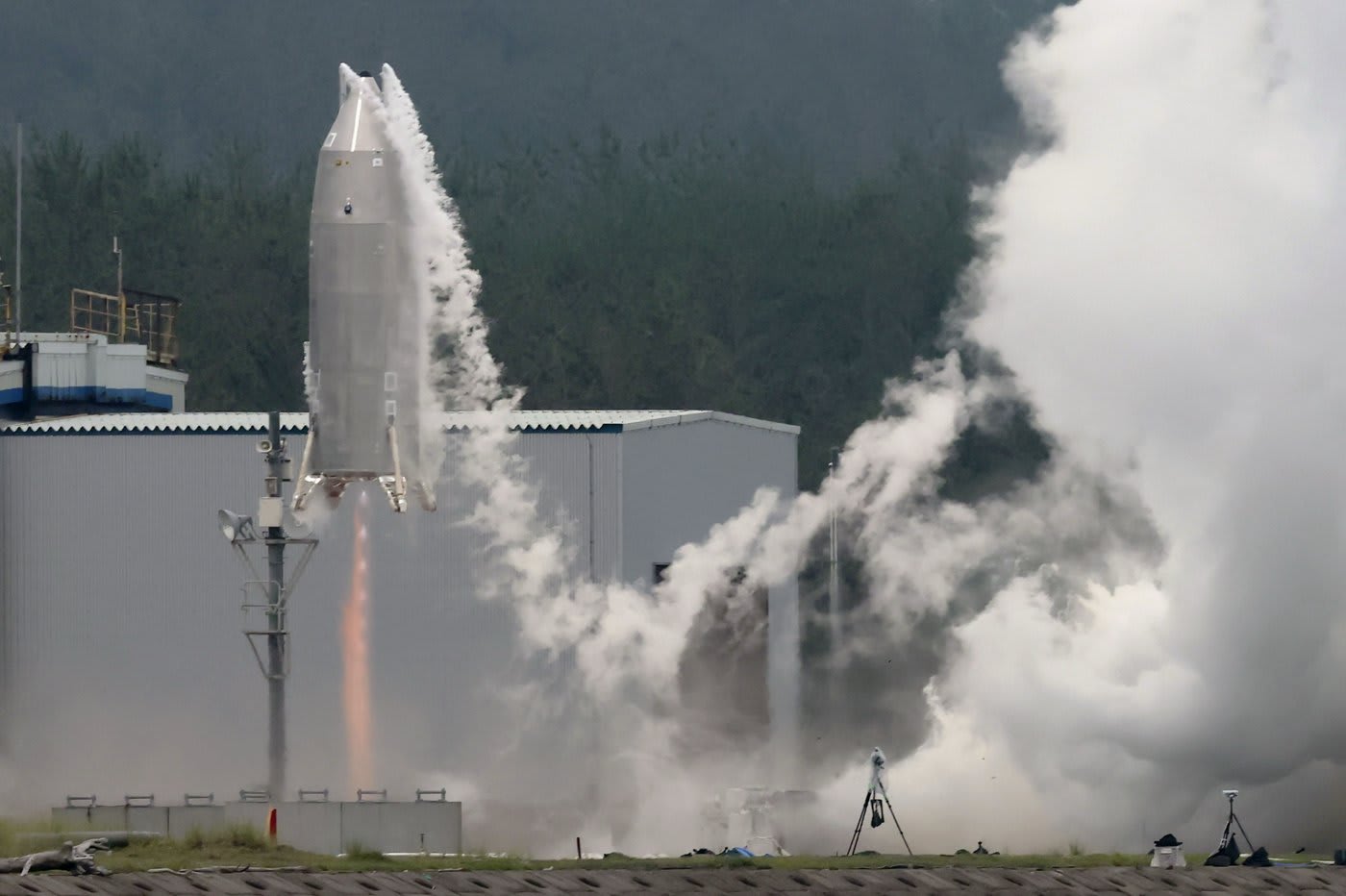
apnews+1halifax.citynewshalifax.citynewsJapan's experimental reusable rocket lifted off and safely landed on Saturday in its first test flight, marking a step forward for the country as it seeks to develop cost-cutting launch technology and compete in a global space market dominated by SpaceX.
The Reusable Vehicle eXperiment, known as RV-X, completed its less-than-one-minute flight at the Japan Aerospace Exploration Agency's Noshiro Testing Center in northeastern Japan on Saturday. The rocket rose 11 meters (36 feet), moved horizontally 16 meters (52 feet) while maintaining its upright position, and landed as planned, according to the Associated Press.apnews+1
Takashi Ito, JAXA's reusable rocket project manager, confirmed the flight went according to plan during an online briefing from the test center. The RV-X is 1.8 meters (5.9 feet) in diameter and 7.3 meters (23.9 feet) long, equipped with an engine with enhanced durability and four shock-absorption landing gear. Its engine has withstood 165 combustion tests to date.halifax.citynews
JAXA and Mitsubishi Heavy Industries have been co-developing the RV-X as Japan seeks to catch up with the reusable rocket technology that Elon Musk's SpaceX has employed for several years to reduce the cost of delivering payloads into space. Saturday's flight represents progress toward developing a lower-cost successor to Japan's current mainstay, the single-use H3 rocket series.halifax.citynews
The Japanese government has said a stable, commercially competitive transport capability is key to the country's space program and national security. The test came one day after state media in China reported the country achieved its first successful recovery of a rocket's first stage after liftoff.halifax.citynews
JAXA plans to send the RV-X to a higher altitude of about 100 meters in future test flights. The agency is also jointly developing reusable rocket technology with France and Germany. Japan's H3 rocket, while more cost-effective than its predecessor H-2A series, still needs further cost reductions to compete globally — making the reusable technology path a priority for the country's space ambitions.halifax.citynews