Newsletter Subscribe
Enter your email address below and subscribe to our newsletter
[forminator_form id="25163"]

All voices matter
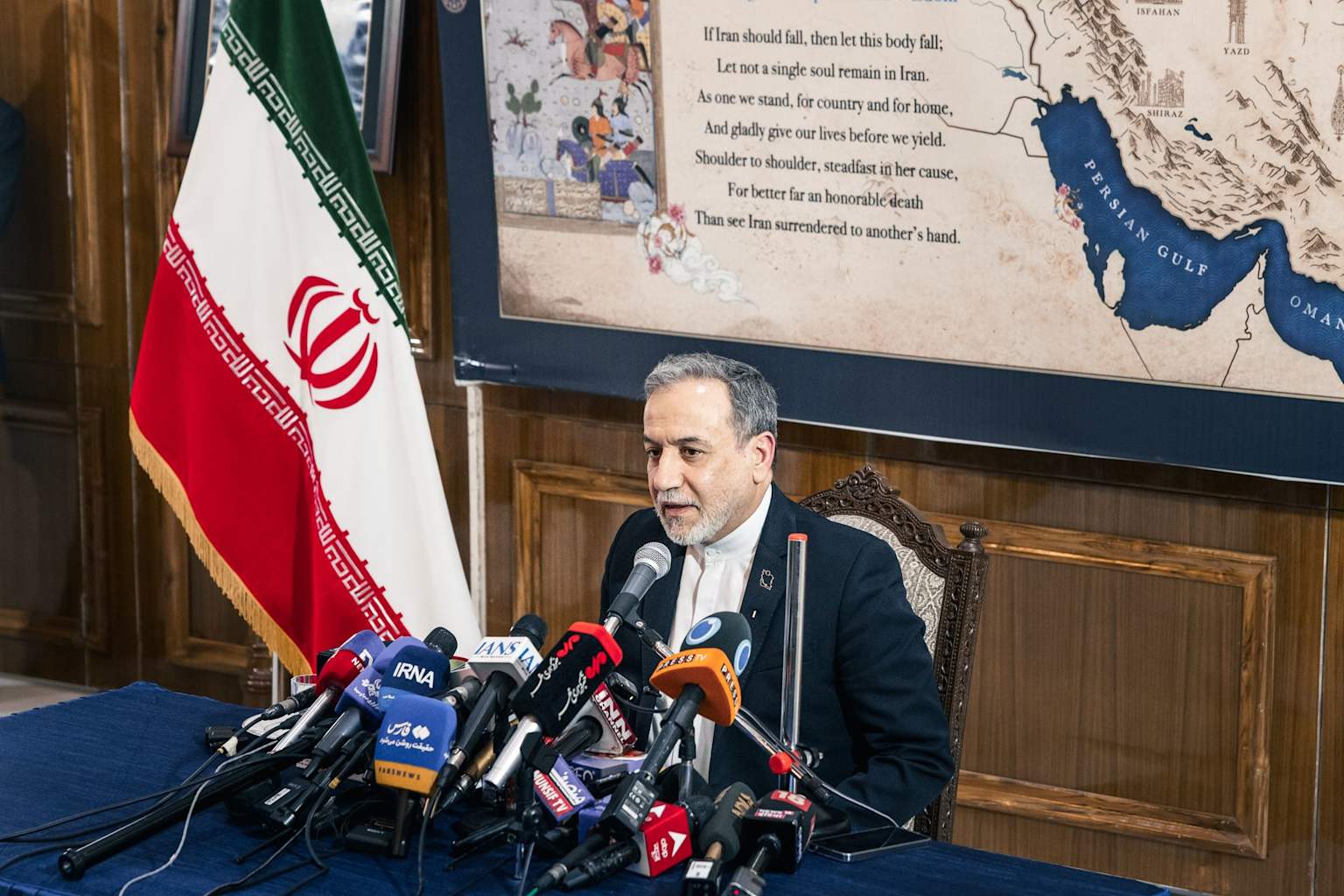
globalbankingandfinance+1theglobeandmail+1cryptobriefing+1A senior Iranian official warned on Monday that Tehran will launch a "timely and precise" military attack to break the US naval blockade if Washington does not fulfill its commitments under a June peace deal within weeks, marking a declared shift in Iranian strategy from defense to offense as the two-month-old agreement collapses.
The official told Reuters that "within the short period of a few weeks set by Iran, all the agreement's provisions must be implemented by the U.S." as a precondition for further negotiations. Mediators would share details of Tehran's deadline with Washington and regional states, the official added.globalbankingandfinance+1
Monday marked the expiration of the 60-day timeframe set by the memorandum of understanding signed on June 17, under which the US and Iran were to negotiate a comprehensive final agreement covering issues including Iran's nuclear program, sanctions relief, and control of the Strait of Hormuz. The MoU quickly unraveled over a dispute about who would manage the waterway, with Tehran claiming the agreement gives it that right and Washington rejecting the interpretation.theglobeandmail
"It is a proven fact that the U.S. is not serious about a ceasefire and won't commit to any, so putting pressure on the enemy or relying on mediators in the hope of reaching a permanent ceasefire is not realistic," the official said.globalbankingandfinance
The war began on February 28 when the United States and Israel launched large-scale strikes on Iran. Since then, shipping through the Strait of Hormuz — through which roughly 20 million barrels of oil per day flowed before the conflict — has been largely blocked by Iran. US Energy Secretary Chris Wright said last week that 14 to 15 million barrels are still leaving the Persian Gulf daily thanks to a US naval escort operation, though experts debate how effectively it mitigates Iran's leverage.wikipedia+2
President Trump declared the pact "over" on July 7, and the US reimposed its naval blockade of Iranian ports. Both sides have continued military operations, with 13 consecutive nights of US strikes on Iran reported in late July. Trump told a rally on Friday that Americans should prepare for continued high fuel prices, while also claiming the US would declare the Strait of Hormuz "a territory of the United States".cbsnews+1
Efforts by Oman, Pakistan, and Qatar to broker a return to talks have stalled. Iran's foreign ministry attributed delays in Oman-hosted negotiations to the "complexity of the issues" and interference by unnamed countries. Iran's foreign minister has stated the Strait will not reopen until the US returns to the deal.cryptobriefing+1
The Soufan Center assessed on Monday that both sides claim their strategies are succeeding, but noted a consensus that the waterway "will never return to its pre-war status," with regional leaders investing in alternative routes that bypass the strait entirely.thesoufancenter