Newsletter Subscribe
Enter your email address below and subscribe to our newsletter
[forminator_form id="25163"]

All voices matter
bloombergchemicals.economictimes.indiatimeschemicals.economictimes.indiatimesIran has adopted a more aggressive military and diplomatic posture as negotiations with the United States remain deadlocked, demanding sweeping economic concessions before agreeing to reopen the Strait of Hormuz while reorganizing its armed forces for what one senior commander called an "offensive doctrine."
Supreme Leader Mojtaba Khamenei has carried out a series of top military appointments marking a shift toward a more combative foreign posture, Bloomberg reported on Tuesday. Mohammad Reza Naqdi, a general in the Islamic Revolutionary Guard Corps who advises the force's new commander, confirmed the shift in an interview on Iranian state television late Tuesday, describing it as an "offensive doctrine."bloomberg
The military changes coincide with a hardening of Iran's negotiating position. Diplomatic sources told 24 News HD that Tehran is now demanding three major economic issues — compensation for war damages, comprehensive sanctions relief, and the release of frozen Iranian assets — be resolved on its terms before the strait reopens. These demands go well beyond a June 17 memorandum of understanding between the two sides, which had focused primarily on reopening the strait in exchange for lifting oil-related sanctions.24newshd
The appointment of Revolutionary Guards commander Mohsen Rezaei as head of Iran's Supreme National Security Council has been described by diplomatic sources as a signal of a tougher approach. In a post on X, Rezaei said the Strait of Hormuz would remain closed until the United States ends military action, releases frozen assets, and brings fighting in Gaza and Lebanon to an end.chemicals.economictimes.indiatimes+1
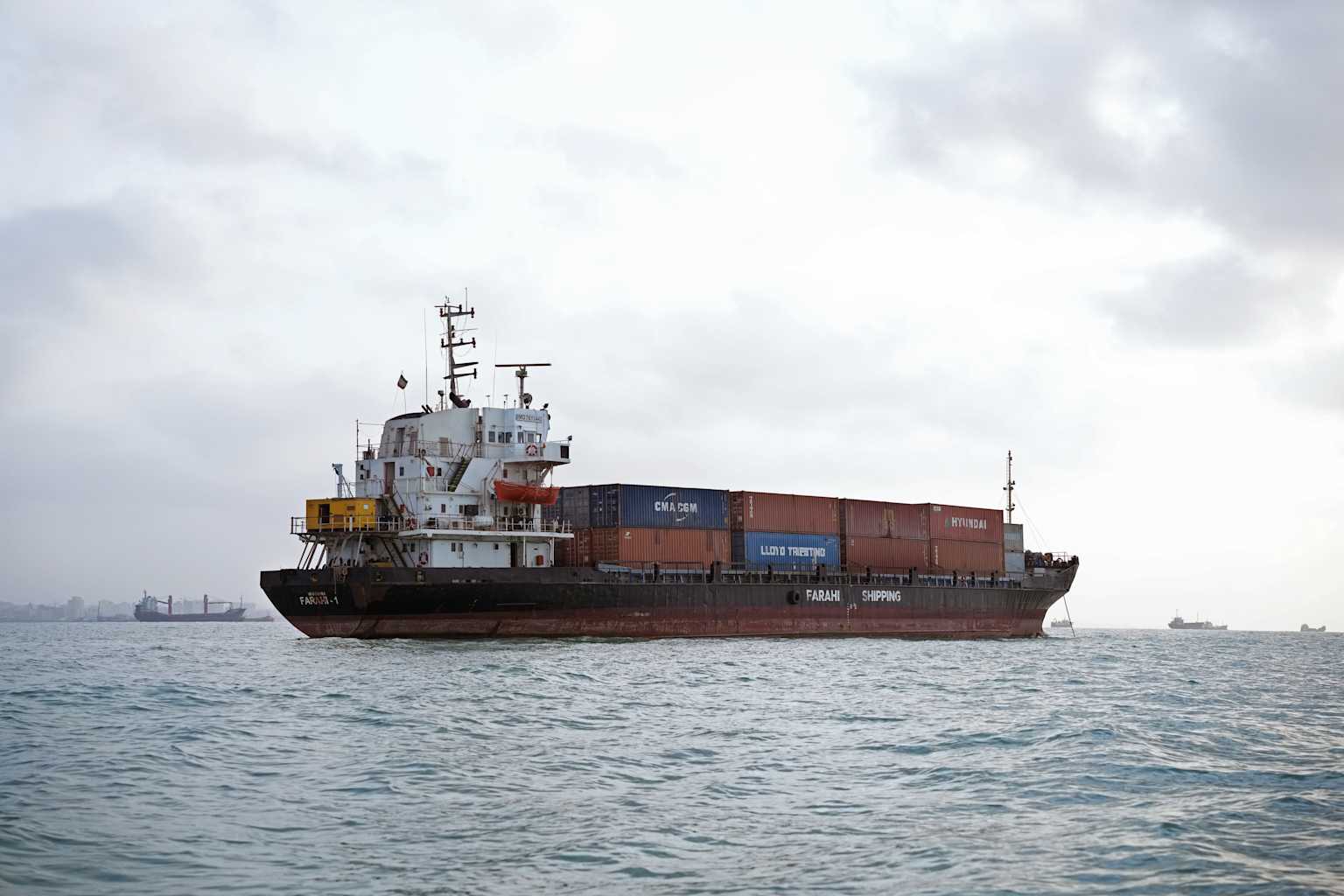
The diplomatic standoff is playing out alongside intensifying maritime confrontation. US Central Command said American forces fired missiles at the Panamanian-flagged cargo vessel M/V Vela Nova in the Gulf of Oman after the crew continued toward Iran despite repeated warnings, according to ABC News. A US Navy helicopter launched two Hellfire missiles that struck the engine room and disabled the ship — the third vessel stopped since the blockade resumed in July.chemicals.economictimes.indiatimes
Two other ships have been boarded and 55 more redirected since July, ABC News reported, indicating enforcement has become more systematic.chemicals.economictimes.indiatimes
Despite the military escalation, backchannel efforts continue. Qatar's Foreign Ministry spokesperson Majed al-Ansari said on Tuesday that talks between Iran and Oman over the future of the strait were at a "critical point," adding that Doha had received positive signals from both capitals in recent days.chemicals.economictimes.indiatimes
The disconnect between active diplomacy and kinetic operations at sea underscores the volatility of the current standoff. Washington has demonstrated willingness to enforce restrictions with force, while Tehran has linked the fate of one of the world's most important energy corridors to demands that extend far beyond maritime security into the broader regional conflict.24newshd+1