Newsletter Subscribe
Enter your email address below and subscribe to our newsletter
[forminator_form id="25163"]

All voices matter
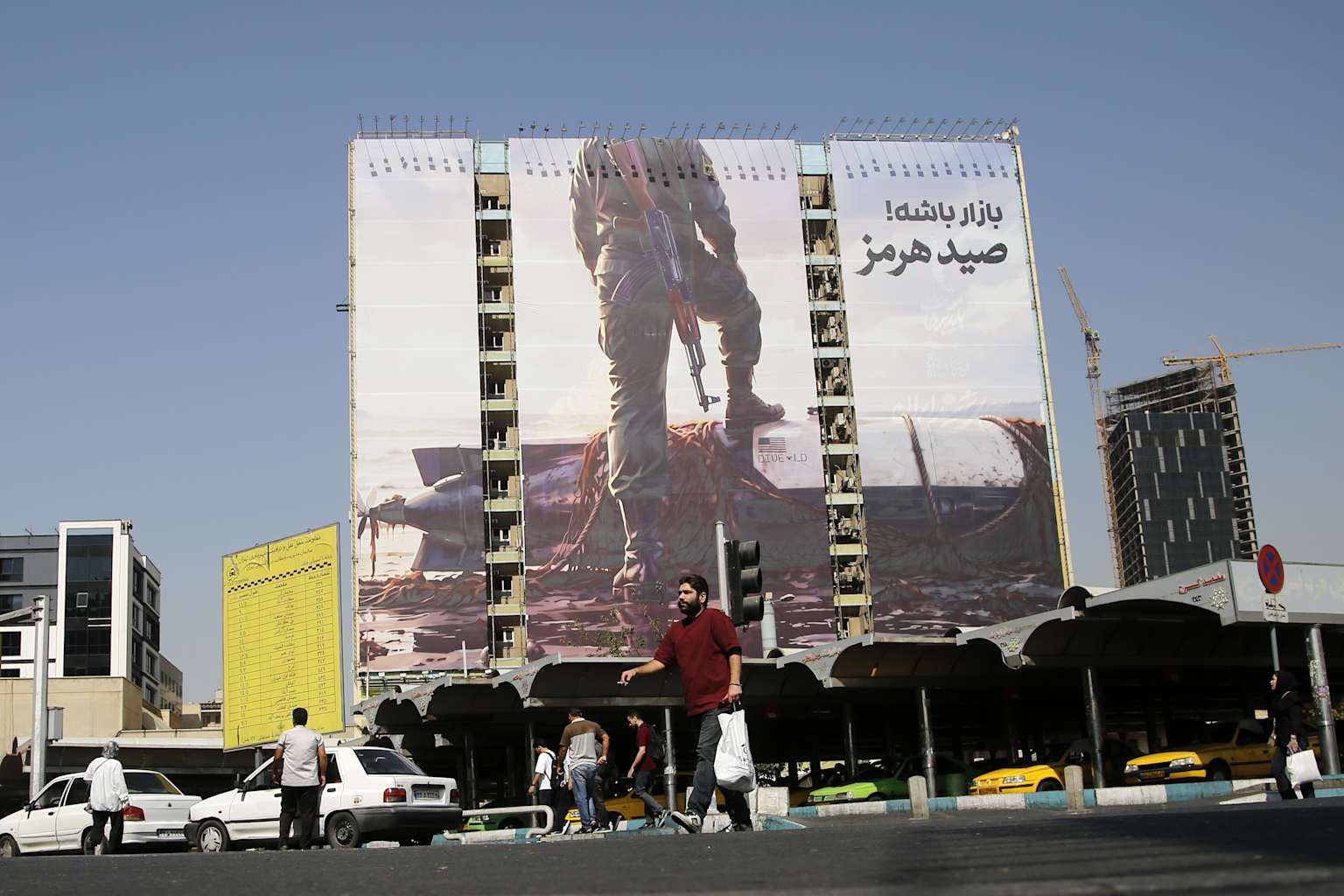
brecorder.anews.iranintl.Mohsen Rezaei, secretary of Iran's Supreme National Security Council, said on Sunday that Washington's reply to Tehran's seven conditions for reopening the Strait of Hormuz was "insufficient." Iranian state media carried his remarks. He said the United States had accepted some of the conditions while others "remain unclear." He added that Iran is "no longer in the process of responding to the Americans" and is waiting for Washington to clarify the open points.brecorder+1
The comments are the latest setback for mediation that has been trying to end the US-Iran war and restore shipping through the strait. Before the war began in late February, about a fifth of the world's oil and liquefied natural gas passed through the waterway.brecorder
Rezaei said Washington had approached Tehran over the past two months through Pakistan, Qatar and Iraq. He said Iran sent its seven conditions about two weeks ago and made clear that the strait would not reopen to the United States, and no talks would take place, until they were met. Reports did not say which conditions the United States had accepted. Tehran's demands have included an end to hostilities, the release of frozen Iranian assets, the lifting of restrictions on its oil exports and an end to the US naval blockade of Iranian ports.anews
Iran put forward the proposal during the UN General Assembly. Under it, normal passage could resume within seven days if the conditions were met, and the United States later replied through Qatari intermediaries. Foreign Minister Abbas Araghchi said in late September that Washington would take agreed steps over the first four or five days, shipping would resume on the sixth day, and talks on a final agreement would begin on the seventh. The White House did not immediately respond to a Reuters request for comment.brecorder+1
Rezaei also warned that US-linked assets in the region could be targeted if fighting resumes. "We have not yet included these among our targets, but if war breaks out, many cables, data centers and artificial intelligence centers will come within range," he said. The Associated Press reported that he threatened "cables, data centers, AI facilities and other sites in the region".iranintl+1
The United States and Israel launched the war on February 28. Iran responded with missile and drone attacks and effectively closed the strait, and Washington then imposed a naval blockade on Iranian ports. The two sides signed a memorandum of understanding in June on freedom of navigation, but it collapsed days later.itv+1
Rezaei spoke as regional tensions rose. Iran-backed Houthi rebels struck the passenger terminal at Riyadh's King Khalid International Airport again after a Saturday attack that killed 12 people. President Donald Trump said he was weighing whether to join Saudi strikes against the group. Rezaei's position remained unchanged: the Gulf, he said, cannot be secure without Iran's management of the strait, which he called "a major national asset".anews+1