Newsletter Subscribe
Enter your email address below and subscribe to our newsletter
[forminator_form id="25163"]

All voices matter
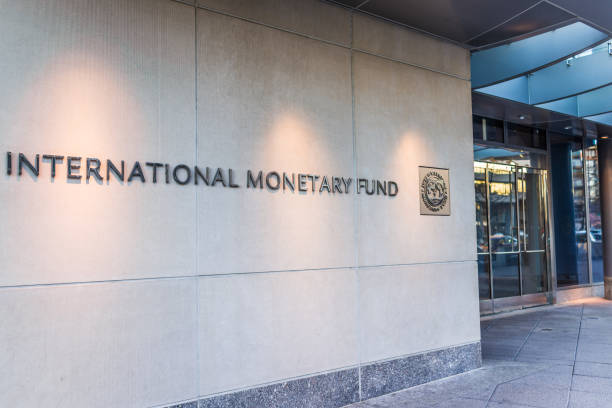
reutersreutersbusinessupturnThe International Monetary Fund on Thursday said the global economy has weathered the energy shock caused by the war in the Middle East better than feared, maintaining its forecast for approximately 3% global economic growth in 2026, while warning that elevated risks continue to cloud the outlook.globalbankingandfinance+1
IMF spokesperson Julie Kozack told reporters that oil and gas prices remain high and the energy shock from the conflict is not over. She cited mounting global debt pressures and a stalled disinflation process as further concerns, according to Reuters Thomson Reuters Corporation reporting by Andrea Shalal and Rodrigo Campos.reuters+1
The assessment comes as disruptions around the Strait of Hormuz continue to roil energy markets, with Brent crude recently settling above $100 a barrel following attacks that disrupted shipping in the waterway, which previously carried roughly one-fifth of global oil supplies. IMF Managing Director Kristalina Georgieva said on Sept. 1 that "the energy shock is not over," pointing to continued disruption and the need to replenish strategic oil and gas reserves.businessupturn
The IMF projected global headline inflation at 4.7% in 2026 in its July World Economic Outlook update, noting that the disinflation trend underway since early 2024 "has stalled". Kozack said at Thursday's briefing that inflation expectations have risen but remain "well-anchored over the longer run".globalbankingandfinance+2
Global public debt rose to just under 94% of GDP in 2025 and is projected to reach 100% by 2029, according to the IMF, which has warned that the Middle East conflict adds fiscal burdens as governments face pressure to shield households from higher energy costs. The fund stressed that the 3% headline growth figure masks wide differences between countries, with energy-importing economies and those with limited fiscal space facing the greatest exposure.businessupturn
Higher energy costs feed into transportation, manufacturing, food production, and electricity prices, potentially forcing central banks to keep monetary policy tighter for longer. The European Central Bank has already raised interest rates twice in response to rising oil prices. The IMF projects a modest rebound to roughly 3.4% growth in 2027, though that outlook hinges on whether the Middle East conflict eases and energy flows normalize.unn+2