Newsletter Subscribe
Enter your email address below and subscribe to our newsletter
[forminator_form id="25163"]

All voices matter
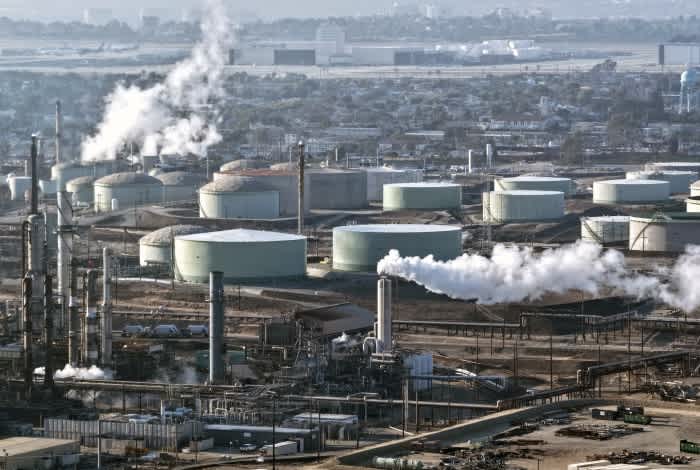
reuters+1finance.yahoo+1finance.yahoo+1The International Energy Agency on Friday cut its forecast for the decline in global oil demand this year by 940,000 barrels per day, now projecting consumption will fall by 2.5 million barrels per day in 2026 — the steepest annual contraction since the COVID-19 pandemic — as the war between the United States and Iran continues to choke energy supplies from the Middle East.reuters+1
The Paris-based agency said the diplomatic stalemate between Washington and Tehran, renewed attacks on shipping in the Gulf and at the Bab al-Mandeb strait in the Red Sea, and record fuel prices have combined to force a far grimmer outlook than it held just a month ago. It now expects the normalization of oil flows it had anticipated in the second half of 2026 to be deferred until 2027.democrata+1
Global oil supply is projected to average 100.7 million barrels per day this year, a year-on-year decline of 5.7 million bpd — 1.3 million bpd below August's estimate, according to the IEA's September Oil Market Report. Output from Gulf producers fell by roughly 2 million bpd in August to 21.9 million bpd, remaining more than 10 million bpd below pre-war levels. Saudi Arabia's production dropped to 6 million bpd, its lowest in over 30 years, while Ukrainian drone strikes cut Russian crude output by 200,000 bpd during the month.aa+2
Global inventories have declined by 507 million barrels since February, drawing at an average rate of 2.8 million bpd. "With buffers shrinking and the global refining system stretched to the limit, the need for progress in resolving the conflict in the Middle East — and the Russia-Ukraine war, which is now in its fifth year — is greater than ever to avoid further market tightening," the IEA said.finance.yahoo+1
The agency highlighted an acute squeeze in refined products. Diesel prices in the United States surpassed $200 per barrel in early September, roughly 94% above pre-war levels, with Europe and Asia not far behind. Brent crude has climbed toward $110 a barrel this week, buoyed by intensifying fighting between Houthi militants and Saudi-backed forces near the Bab al-Mandeb strait, a critical chokepoint for oil shipments bound for the Suez Canal.freemalaysiatoday+3
The IEA warned that the projected demand destruction is comparable in scale to the four largest oil shocks of the past 60 years, including the crises of the 1970s and the 2008 financial crash. Unlike the pandemic downturn, the current contraction is driven by supply constraints, which the agency said historically produce "more sustained reduction over the medium-term because the large initial supply effects produce negative economic consequences that weigh on activity even after the disruption itself has been resolved."trend
A recovery of 2.6 million bpd is forecast for 2027, but the IEA cautioned that "a return to business-as-usual next year is by no means guaranteed, especially in the case of a more prolonged interruption to Gulf oil flows."trend