Newsletter Subscribe
Enter your email address below and subscribe to our newsletter
[forminator_form id="25163"]

All voices matter
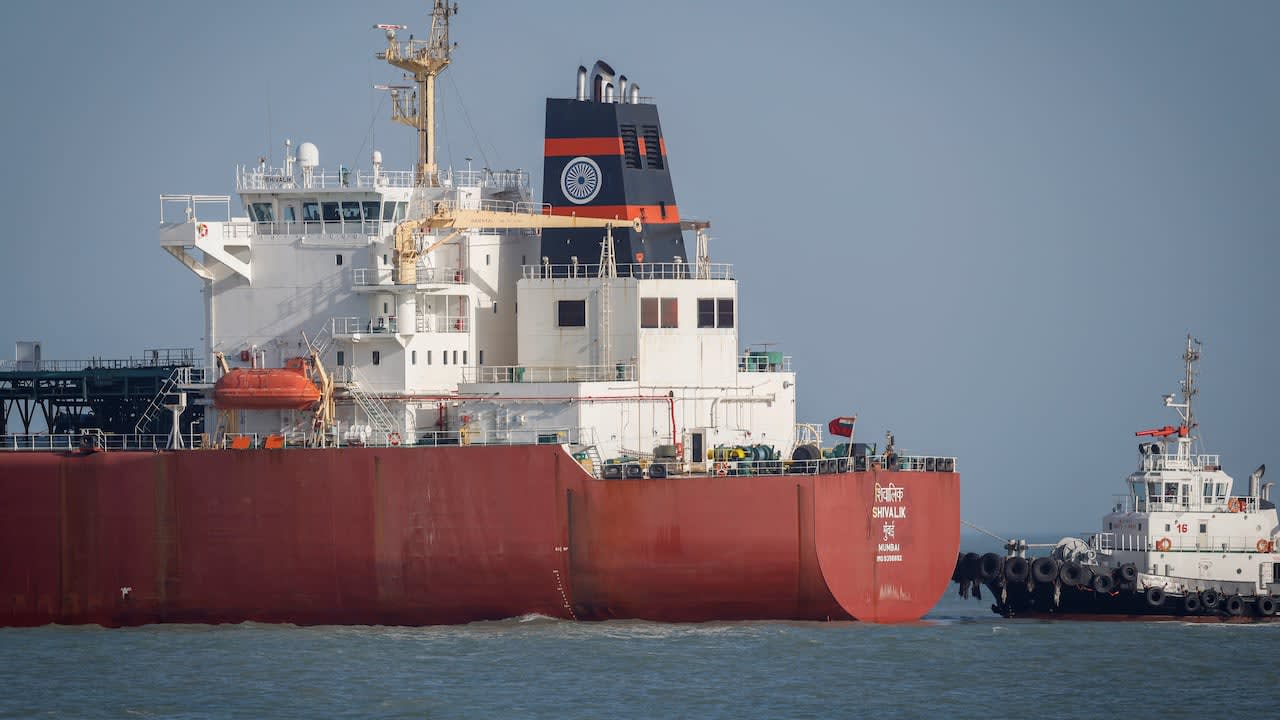
reuterstasnimnews+1axiosIran and Oman are deepening negotiations over the future governance of the Strait of Hormuz, with Gulf states now backing an Omani proposal that would allow Tehran to collect voluntary fees from ships transiting the waterway, Reuters reported on Tuesday. The development marks a step toward resolving one of the most destabilizing consequences of the U.S.-Iran war — the disruption of oil trade through the world's most critical maritime chokepoint.reuters
Iran's Foreign Ministry confirmed that deputy foreign ministers from both countries held "several rounds of talks" in Tehran on Friday and Saturday, exchanging views on "common principles and operational mechanisms for managing safe shipping traffic" through the strait. Spokesman Esmaeil Baqaei called the discussions "fruitful" and said technical and political consultations were continuing even after the Omani delegation departed Saturday evening.tasnimnews+1
Baqaei was emphatic that the negotiations were a bilateral matter. "These talks have no connection with the United States," he said at a press briefing on Monday. "They are a bilateral matter between Iran and Oman, and they are continuing". Iran maintains that the strait "remains closed" due to what it calls insecurity imposed by American forces.arabnews+1
Under the Omani proposal, Iran would not exercise sole control over the waterway, and transit fees would be voluntary rather than mandatory. The framework envisions funds being used for environmental risk assessment, rescue operations, and technical support — similar to the cooperative model governing the Strait of Malacca, according to NBC News. Iran, however, has pushed for compulsory payments and a central role in managing the strait.openthemagazine+3
The Jerusalem Post reported Sunday that Oman had proposed establishing a regional consortium to oversee maritime security and search-and-rescue operations, though it remained unclear whether Iran would accept the terms. Separately, the U.S. and U.K. are planning a high-level meeting in London focused on an international coalition to protect shipping in the strait, according to Axios.jpost+1
President Donald Trump said Sunday that "very friendly negotiations" were underway with Tehran but signaled limited patience. The National reported that Trump warned of "strong military action" if talks fail. Qatar and Pakistan, serving as mediators between Washington and Tehran, have urged both sides to halt hostilities and resume implementation of a memorandum of understanding signed in June.aljazeera+4
The diplomatic track remains fragile. Trump declared the earlier ceasefire "over" on July 10 after renewed hostilities, and Axios reported last week that the administration was weighing two stark options: a 10-day ceasefire to reopen the strait, or a massive joint military campaign with Israel to force Tehran's capitulation.reuters+1