Newsletter Subscribe
Enter your email address below and subscribe to our newsletter
[forminator_form id="25163"]

All voices matter
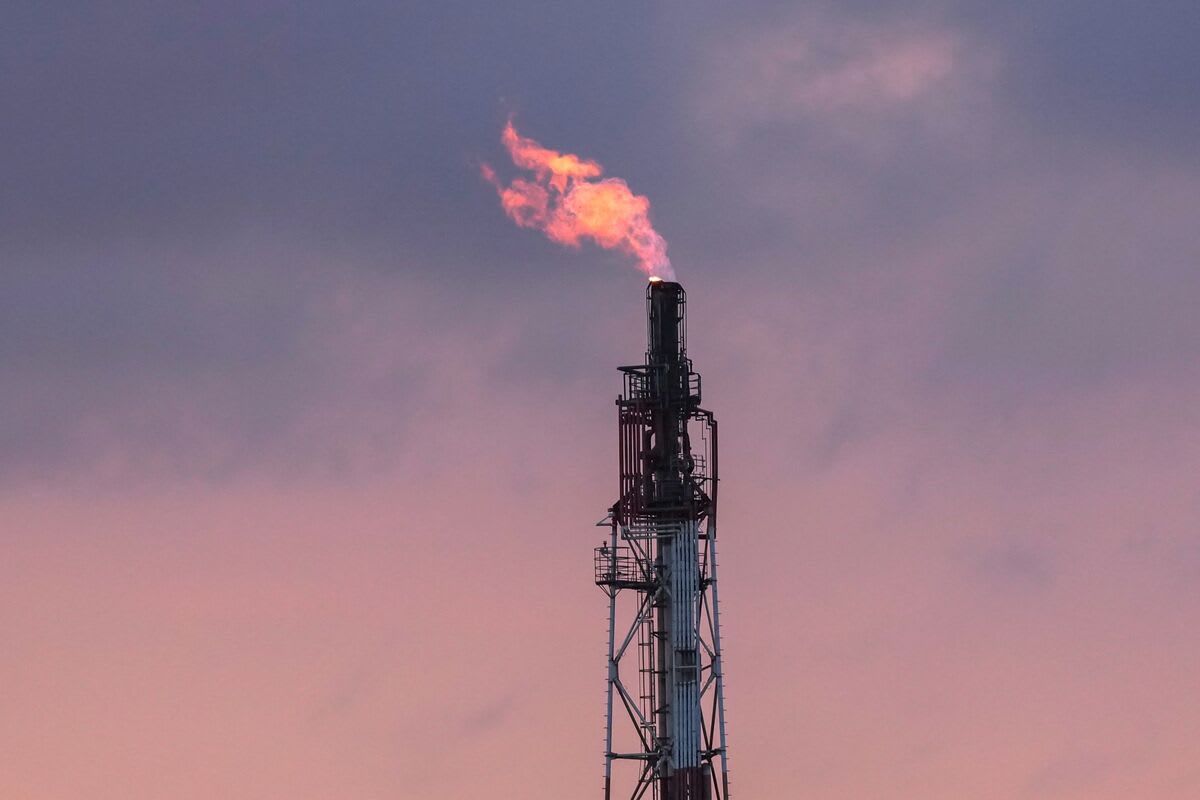
carbonbrief.org+1.carbonbrief.org.gizmodo.com+1.Global carbon dioxide emissions from fossil fuels are on track to fall this year for the first time since the 2020 pandemic. Scientists say the main reason is the oil shock from the Iran war, not a lasting turn toward clean energy. The 2026 Global Carbon Budget projects that fossil CO2 emissions will drop 0.4% to 38.2 billion metric tons. Total emissions, which include deforestation and other land use, are still expected to hit a record.livescience.com+1
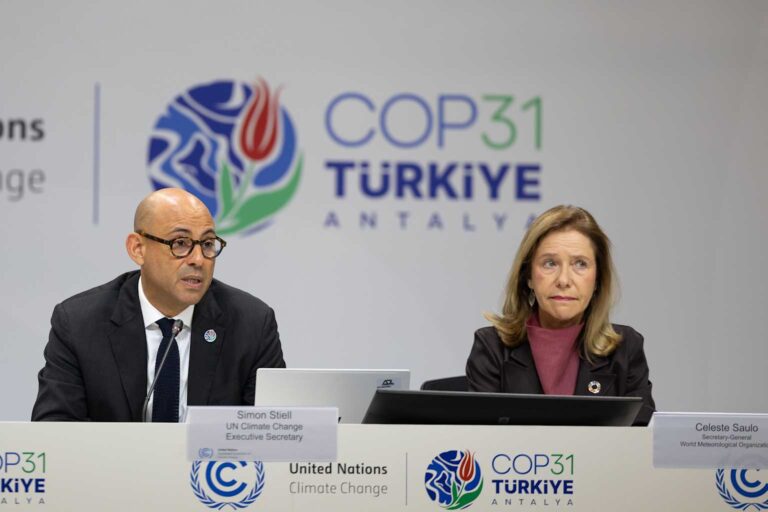
The study was released as a preprint in Earth System Science Data. Its preliminary 2026 estimate ranges from a 1.5% decline to a 0.6% increase, so a small rise is still possible. The findings came out as the COP31 climate talks opened in Antalya, Turkey.carbonbrief.org+2
Emissions from oil are projected to fall 1.9%. The researchers link this to the energy shock caused by the Iran conflict and the closure of the Strait of Hormuz. Coal emissions are expected to rise 0.6%, and gas emissions are roughly flat. "We see the main driver for the 2026 decline as the energy supply constraints brought about by the events in the Middle East," co-author Robbie Andrew of the CICERO climate research center told Gizmodo. He called the decline a "short-term blip."gizmodo.com+1
Clean energy still played a part. Two-thirds of this year's growth in energy demand is being met by solar, wind and electric vehicles. Co-author Judith Hauck said that "only together with the energy crisis" did the change in emissions turn negative. She expects a rebound once the conflict ends.phys.org+1
Fossil emissions are projected to fall 0.9% in China, 1.3% in the United States, 1.5% in the European Union and 1% in Japan. India's are expected to rise 4.4%. That is faster than India's average growth of 3.5% a year over the past decade. Oil emissions are expected to fall in every major region, with the largest drop in China at 4.6%.abc.net.au+1
Peat fires, deforestation and wildfires linked to dry El Niño conditions are pushing land-use emissions higher. As a result, total CO2 emissions are projected to rise from 42.8 billion metric tons in 2025 to 43.3 billion metric tons in 2026. Atmospheric CO2 is expected to climb 2.2 parts per million to 427.7 ppm, which is 54% above pre-industrial levels. The world can emit only 150 billion metric tons more before warming passes 1.5 degrees Celsius. At current rates, that would take less than four years.essd.copernicus.org+2
"A decline in fossil CO2 emissions is encouraging, but a reduction driven partly by geopolitical shocks is not a sustainable climate solution," said Pierre Friedlingstein of the University of Exeter, who led the study.phys.org