Newsletter Subscribe
Enter your email address below and subscribe to our newsletter
[forminator_form id="25163"]

All voices matter
datacenters.economictimes.indiatimesdatacenters.economictimes.indiatimes+1goldmansachs+1America's largest technology companies are pouring money into artificial intelligence at a pace that is making the current boom the largest investment surge in history, even as questions mount over whether revenues can catch up.
According to The Economist, major U.S. tech firms including Amazon Amazon.com, Inc. , Google Alphabet Inc. , and Microsoft spent roughly $450 billion on AI-related infrastructure in 2025. That figure is expected to double to approximately $900 billion in 2026, with a further leap to $1.4 trillion projected for 2027. To finance this expansion, these companies have borrowed more than $400 billion this year alone.economist+1
The scale of capital deployment stands in sharp contrast to the revenues AI services are generating. While The Economist noted that AI revenues are "growing fast, but not fast enough," the gap between infrastructure spending and commercial returns has become one of the defining tensions of the current technology cycle.oilprice+1
Data from UK lender Capital on Tap shows that the share of small and medium-sized enterprises paying for AI services quadrupled from 3.2% in the second quarter of 2024 to 12.8% in the same period this year. However, typical spending among those businesses remains modest, meaning customer growth is outpacing actual revenue flows to AI providers.foreignpolicyjournal
A separate estimate from Goldman Sachs The Goldman Sachs Group, Inc. published August 6 projected global AI-related investment will exceed $1 trillion in 2026, with approximately $581 billion concentrated in the United States.goldmansachs
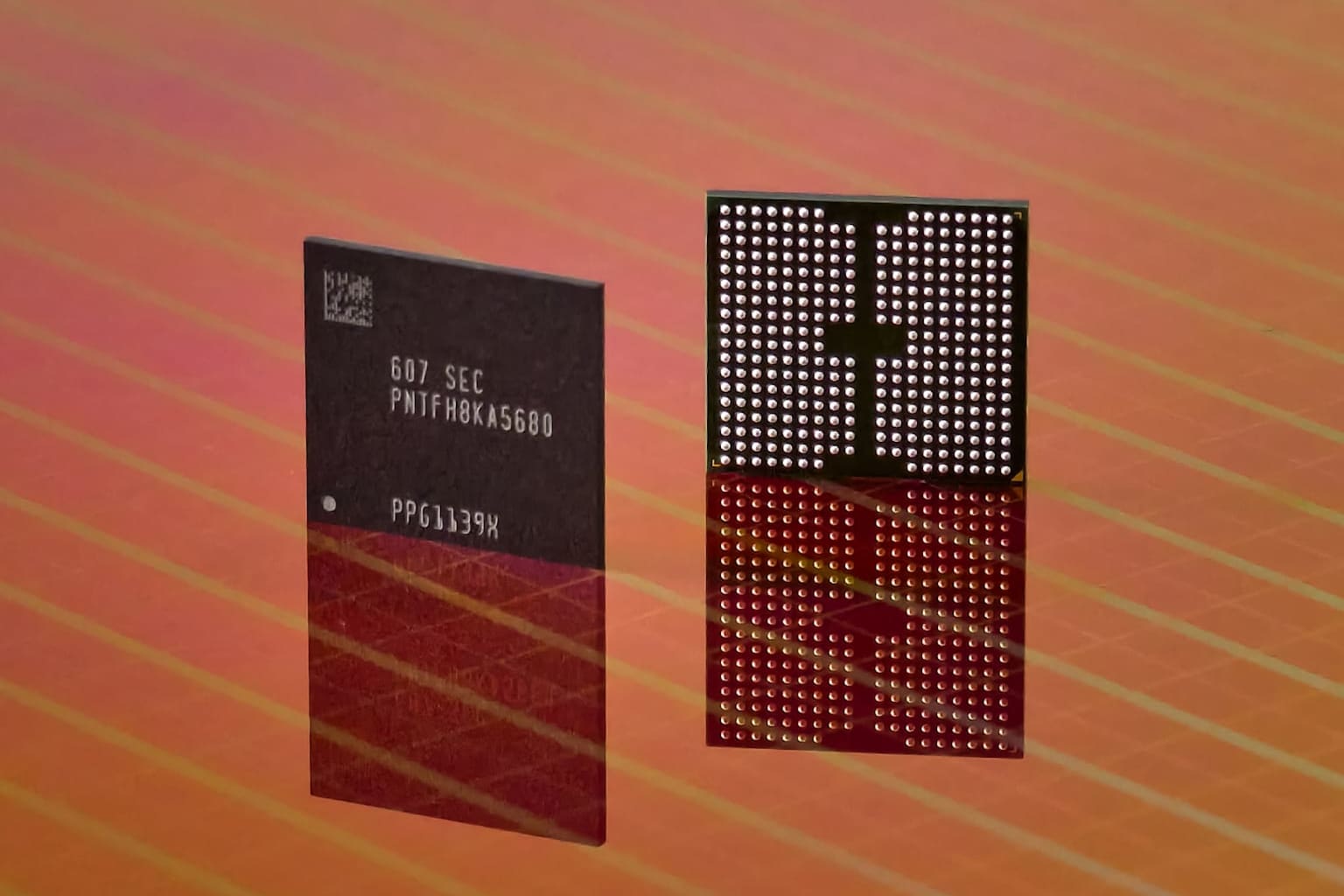
The infrastructure buildout is fueling extraordinary growth in the semiconductor industry. The World Semiconductor Trade Statistics organization released an updated forecast on August 3, projecting the global chip market will reach $1.51 trillion in 2026, a 90% increase year-over-year, driven overwhelmingly by memory chips expected to surge roughly 250%. The Semiconductor Industry Association confirmed that global sales in the second quarter of 2026 substantially outpaced the first quarter, with the market on track to exceed $1.5 trillion for the full year.wsts+1
For 2027, WSTS projects the semiconductor market will grow a further 27%, approaching $1.9 trillion. The revised figures from the attached Economic Times report, which incorporated actual Q2 results, place the 2026 market even higher at $1,655 billion with 108% annual growth.datacenters.economictimes.indiatimes+1
The widening divergence between what is being spent to build AI and what is currently being earned from it represents what investors and analysts are calling the trillion-dollar question of this investment cycle.foreignpolicyjournal