Newsletter Subscribe
Enter your email address below and subscribe to our newsletter
[forminator_form id="25163"]

All voices matter
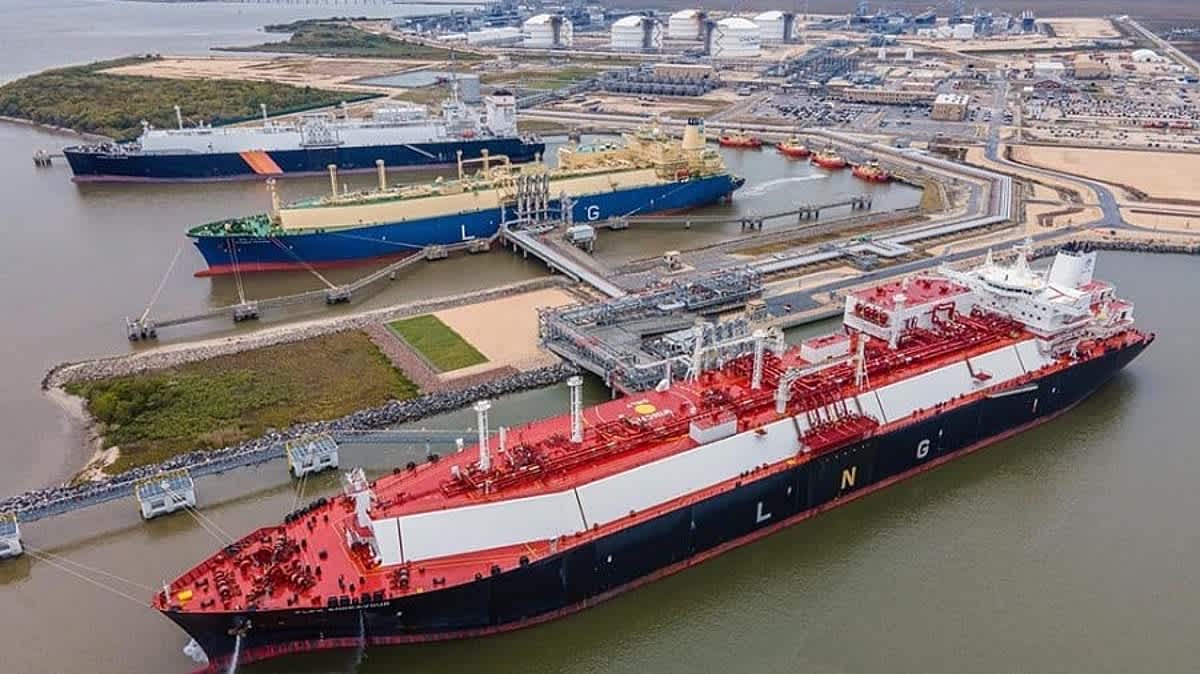
tradingview+1sharenet+1reutersA U.S. liquefied natural gas shipment has reached China for the first time since February 2025, according to a Reuters report published Wednesday, though vessel tracking data suggests the cargo may ultimately be re-exported rather than consumed domestically.tradingview+2
The arrival caps a months-long saga that began in May when four LNG carriers departed export facilities in Louisiana bound for China's Tianjin port — the first direct U.S. LNG shipments to China during President Donald Trump's second term. Those vessels, loaded at Cheniere Energy's Sabine Pass plant and Venture Global's Plaquemines facility between May 5 and 18, were initially expected to arrive between June 15 and 28.caliber+1
China halted imports of U.S. LNG in early 2025 after imposing an additional 15 percent tariff on American liquefied natural gas, part of the broader trade war between the two nations. The cumulative tariff on U.S. LNG reached 25 percent, making direct shipments economically unviable for most buyers. The last U.S. LNG cargo to arrive directly in China before this week was the Mu Lan, which discharged a shipment in February 2025 that had been loaded at Cheniere's Corpus Christi plant in Texas the previous December.reuters+3
The resumption of shipments followed the Trump-Xi summit in Beijing on May 14-15, after which Trump said China wanted to buy U.S. oil and LNG. However, not all cargoes made it to their intended destination. According to LNG Journal, some of the four cargoes that initially signaled arrival in Tianjin were diverted to Japan and Korea.energynow+2
The cargo that did arrive may not ultimately serve Chinese demand. Vessel tracking data indicates it could be re-exported without paying Chinese import duties, according to analysts cited by Reuters. China has been actively re-exporting LNG in 2026 — reloading a record 1.31 million metric tons, or 19 cargoes, in the first quarter alone, according to Reuters, taking advantage of a tight global market driven by disruptions to Middle East supplies.sharenet+1
Analysts at S&P Global have noted that a resumption of U.S. LNG exports to China would not likely affect prices or supply-demand balances in the near term. China's 25 percent tariff on U.S. LNG remains in place, making re-export to other Asian buyers — where spot prices have hovered near $19 per million British thermal units — a more economically rational choice than paying the duty for domestic consumption.reuters+1