Newsletter Subscribe
Enter your email address below and subscribe to our newsletter
[forminator_form id="25163"]

All voices matter
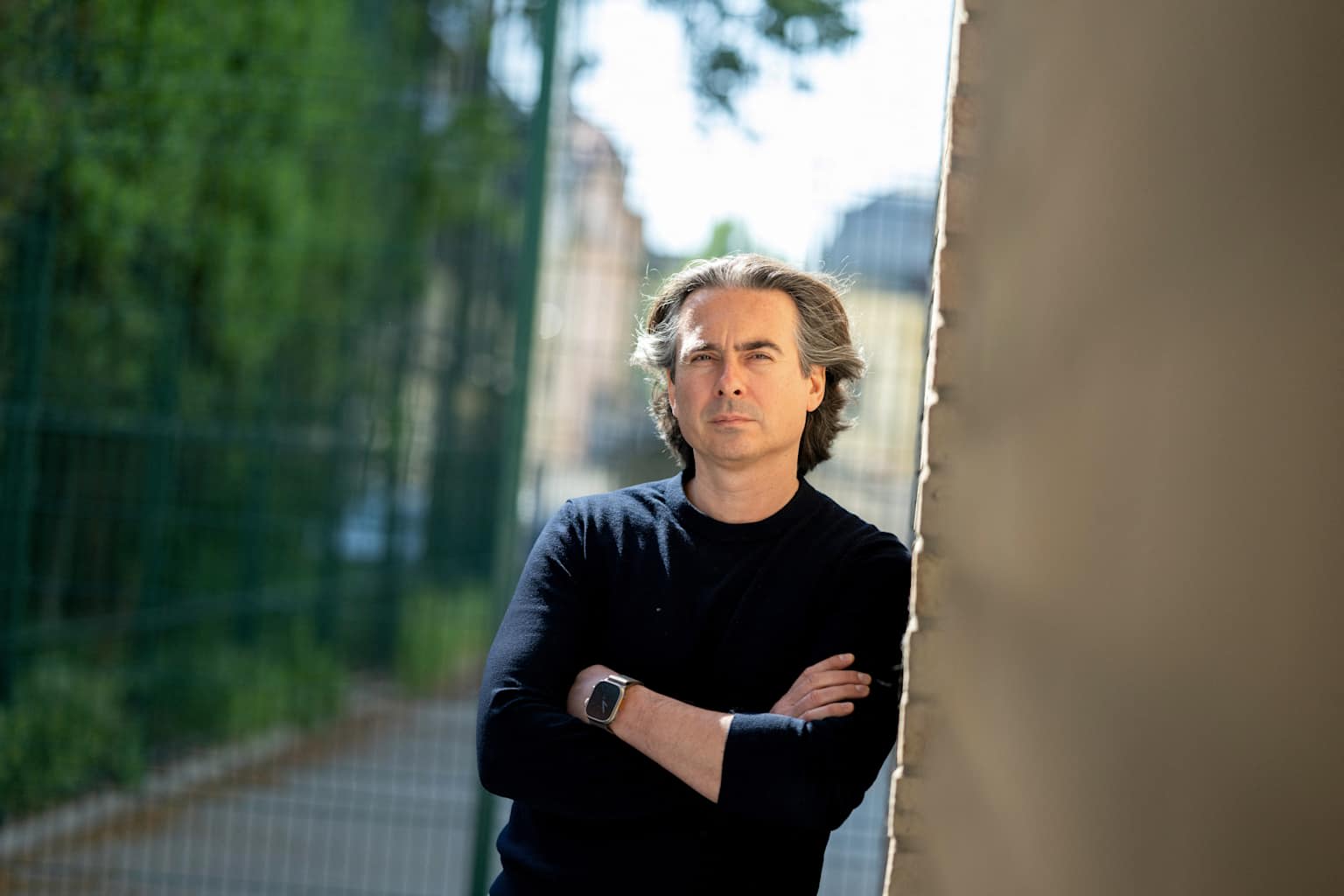
opera-europa+1.opera-europa+1.theartnewspaper+1.artreview+1.artreview+1.Matej Drlička, the former General Director of the Slovak National Theatre who was abruptly dismissed in August 2024 by Slovakia's culture minister Martina Šimkovičová, has called on the European Union to defend artistic freedom against authoritarian threats, sparking nationwide protests and international condemnation of what many view as a politically motivated purge of cultural leaders.
On August 6, 2024, Matej Drlička was dismissed from his position as head of the Slovak National Theatre in a manner that shocked the cultural community. Culture Minister Martina Šimkovičová (nominated by the nationalist Slovak National Party) sent an official and two bodyguards to deliver the dismissal notice to Drlička while he was in his dressing gown. The minister later cited multiple instances of Drlička criticizing her ministry over six months and bizarrely blamed him for a chandelier that fell during a performance at the theatre.spectator.sme+1
This wasn't Drlička's first dismissal controversy. In 2022, he was previously removed by then-Culture Minister Natália Milanová for comments made at an international conference in Budapest that were deemed "beyond the boundaries of decent behavior," including derisive remarks about "national artists" and politicians who "unfortunately, are still breathing." The 2024 dismissal, however, sparked much wider outrage, with thousands protesting in Bratislava against what they viewed as a political purge by Robert Fico's government. Opera Europa strongly condemned the action, with Director Karen Stone calling it "extreme right-wing cultural vandalism" that violates the European Union's charter on artistic freedom. Several musical figures, including Robert Jindra and Martin Leginus, resigned in solidarity.operawire+2
The dismissal of Matej Drlička was just the beginning of what cultural figures describe as a systematic purge of Slovakia's arts institutions. Following Drlička's removal on August 6, 2024, Alexandra Kusá, the respected director of the Slovak National Gallery (SNG), was dismissed the very next day. The pattern continued with Branislav Panis, head of the Slovak National Museum, losing his position in September 2024. These dismissals followed an earlier removal of Zuzana Liptakova in March 2024, which she described as the first in this "cascade" of firings.euronews+2
The consequences have been severe for these cultural institutions. At the Slovak National Gallery, the situation deteriorated dramatically when 177 staff members threatened mass resignation in November 2024. The gallery's leadership crisis deepened as the executive board—comprising heads of four key departments—resigned in protest over the hostile work environment created by Jaroslav Niňaj, the third appointed director since Kusá's dismissal. Meanwhile, at the Slovak National Theatre, the new director Zuzana Tapakova began blocking guest performances from Czech companies, while ticket sales reportedly plummeted to 30-40% capacity for productions after Drlička's departure.euronews+2
The Open Culture! platform emerged in February 2024 as a direct response to the Slovak government's increasingly authoritarian approach to cultural institutions. Formed in the wake of a massive petition calling for Culture Minister Martina Šimkovičová's resignation that gathered over 180,000 signatures in January 2024, the movement quickly evolved into a unifying force for Slovakia's cultural community. By September 2024, Open Culture! had grown to represent nearly 400 institutions and 2,000 artists nationwide.networkcultures
The movement's activities culminated in the declaration of the Slovak Culture Strike on September 5, 2024, rallying around three core demands: professional governance free from political interference, fair funding without ideological bias, and an end to censorship. Open Culture! employed innovative protest strategies, including the "Slovak Cultural Uprising" where pairs of cultural workers maintained a continuous ten-day relay protest outside the Ministry of Culture, and coordinated performances where artists read strike manifestos and staged "blackout" protests. By establishing the Culture Union on May 1, 2024, the movement strengthened its organizational structure while fostering intersectional alliances among precarious cultural workers across Slovakia.research.hva+3