Newsletter Subscribe
Enter your email address below and subscribe to our newsletter
[forminator_form id="25163"]

All voices matter

bloomberg+1britannica+1youtube+1European equity markets drifted lower on Thursday as escalating conflict between the United States and Iran kept energy prices elevated and dampened investor appetite for risk, even as a strong corporate earnings season provided a partial counterweight.
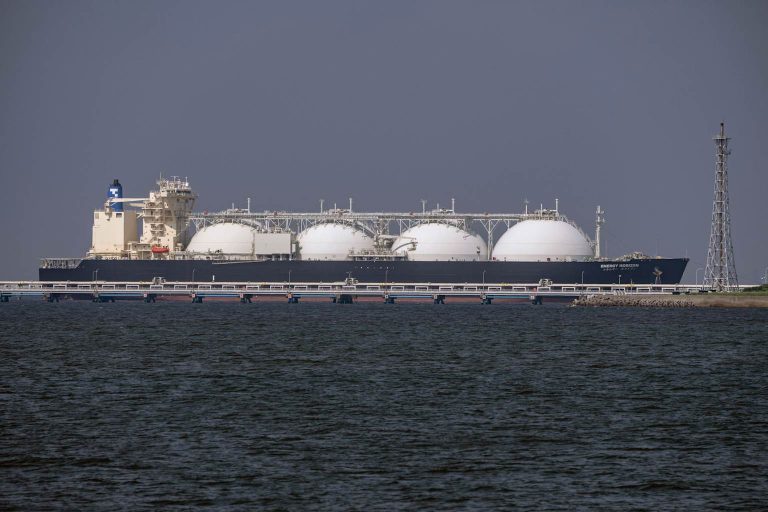
The pan-European STOXX 600 fell around 0.4% in morning trading, while the Euro Stoxx 50 lost 0.25%. London's FTSE 100 extended recent losses, having closed at 10,446 on Tuesday — its lowest level since late June. Brent crude traded near $84 per barrel on Thursday, holding close to its highest level in more than a month, after the U.S. restored a blockade on Iranian shipping following attacks on vessels in the Strait of Hormuz earlier this week.tradingeconomics+5
The energy route, which carries nearly one-fifth of the world's oil and natural gas supply, has been at the center of hostilities since U.S. forces struck approximately 300 Iranian targets over three nights of operations beginning July 11. Iran declared the strait closed after firing on a merchant vessel, though U.S. officials insisted it remained open to commercial traffic. On July 15, according to the Associated Press, the U.S. restored a full blockade on Iran after further attacks on ships.britannica+3
Despite the geopolitical headwinds, markets found some support from a broadly positive earnings backdrop. Reuters reported Thursday that European earnings growth is tracking at its strongest pace in three years, with companies in the benchmark index expected to report growth of 16.7% in the second quarter. Taiwan Semiconductor posted quarterly profit that beat estimates by a wide margin, highlighting robust demand for AI computing, while Netflix and UnitedHealth were also among those scheduled to report Thursday.leverageshares+2
The market's cautious tone reflects a broader tug-of-war between positive fundamentals and geopolitical uncertainty. Oil prices jumped 4% on July 12 after fresh U.S.-Iran military exchanges, with Brent crude reaching $86.65 a barrel by Tuesday afternoon — its highest in over a month. The sustained elevation in energy costs has revived inflation fears across Europe, complicating the outlook for central bank policy at a time when investors had been pricing in further rate cuts.timesofindia.indiatimes+1
The DAX in Frankfurt and France's CAC 40 also traded in the red on Thursday, as investors balanced the risk of further disruption to global energy flows against what remains one of the strongest European earnings seasons in recent memory.