Newsletter Subscribe
Enter your email address below and subscribe to our newsletter
[forminator_form id="25163"]

All voices matter
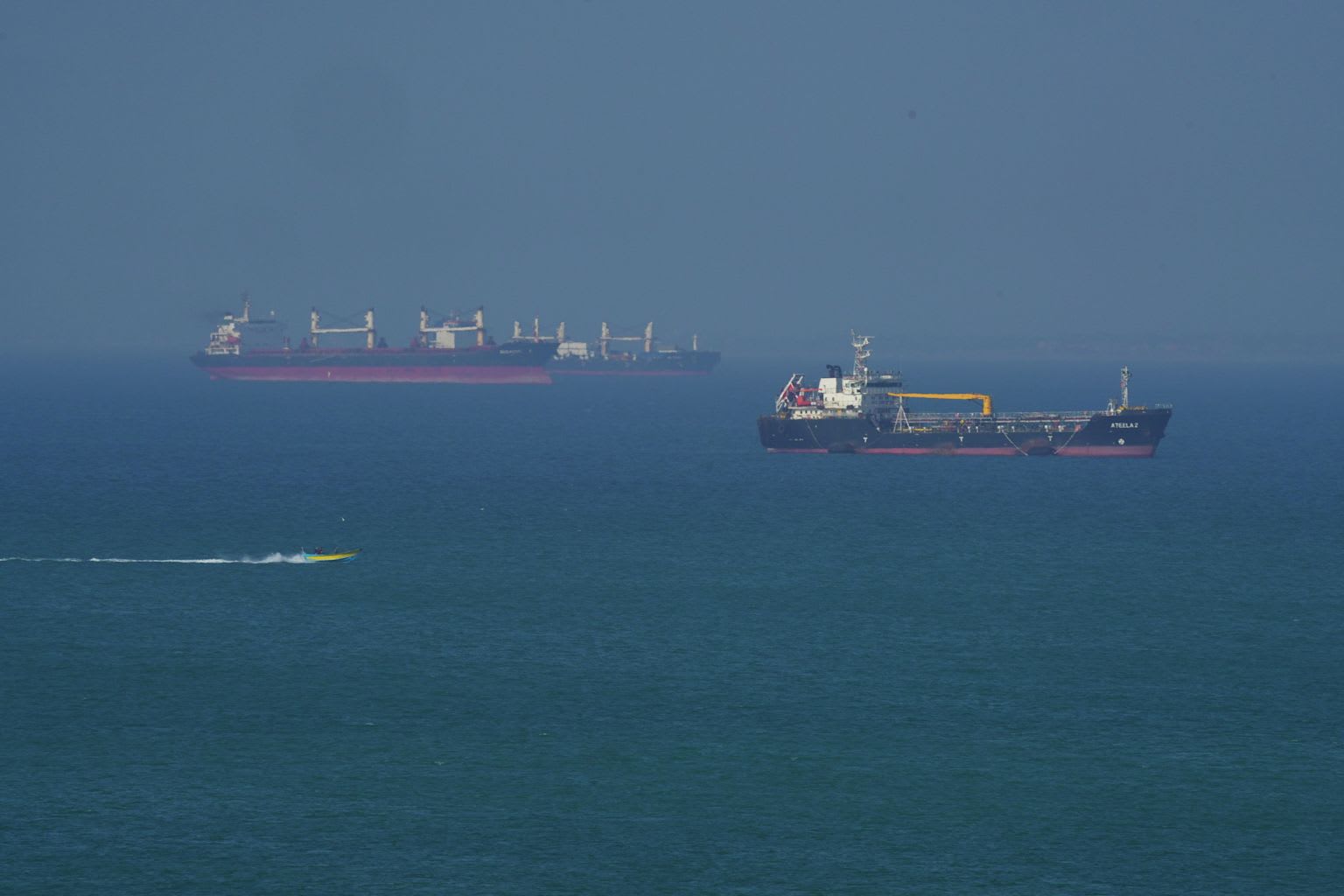
news.bloomberglawbloombergnews.bloomberglawThe Justice Department is preparing to activate a long-dormant maritime war court system to streamline the military capture of Iranian oil tankers as U.S. property, Bloomberg reported on Wednesday, marking the first potential use of prize courts since World War II.news.bloomberglaw+1
Aaron Reitz, the Houston-based U.S. attorney whose office is partnering with DOJ headquarters on the initiative, confirmed the department is "now reviving" prize courts, which he described as an "ancient body of maritime law." The unfinalized plans would offer federal prosecutors a faster path to claim oil and other cargo taken from enemy or neutral vessels, sell the seized goods, and transfer proceeds to the Treasury.bloomberg+1
Prize courts were a common feature of 18th and 19th century naval warfare but have gone largely unused since the Spanish-American War of 1898 and lain entirely dormant since World War II. In recent decades, the U.S. has relied on civil forfeiture law to seize ships and enforce sanctions violations — a process legal experts describe as imperfect for choking the economies of adversaries.news.bloomberglaw+1
The DOJ's planning, coordinated with the Pentagon, comes as U.S. forces have intercepted and seized multiple Iranian-owned or linked ships since imposing a blockade in April. The revival marks the second time this year the administration has turned to an obscure court system to advance its agenda, following the first-ever case brought before the Alien Terrorist Removal Court in July.bloomberg+1
"This really is a historical area of law that is not tested in modern times," said Allison Luzwick, a Holland & Knight attorney specializing in maritime law. "Great strides have been made in international law and the law of war since the late 1800s, and all of that is going to come into play."news.bloomberglaw+1
Ship owners and families of Iranian terrorism victims are among expected challengers. The Southern District of Texas has been identified as the likely venue, given Houston's port infrastructure and petrochemical capacity.news.bloomberglaw
Eugene Kontorovich, an international law professor at George Mason University, argued the move "helps offset the price of the war" and signals that the U.S. is "willing to use all the tools at its disposal." But Jill Goldenziel of the National Defense University warned it "could also open the door for China to apply prize law against the United States — a dangerous proposition for U.S. and neutral merchants in any war with China."bloomberg+1