Newsletter Subscribe
Enter your email address below and subscribe to our newsletter
[forminator_form id="25163"]

All voices matter

finance.yahoo+1hedgeweek+1discoveryalert+1Corn, wheat, and soybean futures pushed higher on Tuesday as ongoing damage to Black Sea port infrastructure, record commodity fund positioning, and elevated energy costs linked to the Strait of Hormuz crisis converged to extend a months-long rally in grain markets.
Export disruptions along the Black Sea continue to tighten global grain supplies, creating what analysts say are durable tailwinds for U.S. crop prices. Ukrainian drone strikes on Russian grain terminals at Novorossiysk and other key Black Sea ports have removed a substantial volume of cereals from international trade. Oxford Economics has estimated that prolonged Black Sea disruption could pull as much as 86 million tons of cereals off the global market, forcing importers to scramble for alternative supply.aol+4
December corn settled at $5.35¾, up 2½ cents on the day, while November soybeans closed at $13.18¾, gaining 14½ cents. December Chicago wheat rose 6½ cents to $7.28½. The session saw futures open lower before reversing into positive territory by midday on technical buying and strength in energy markets.brownfieldagnews+1
Investment funds have piled into the long side of the corn market at a historic pace. According to the most recent Commodity Futures Trading Commission data, managed money held a record net-long corn position as of September 1, the largest in 20 years of CFTC records. CBOT corn futures managed money long positions reached 491,034 contracts, up from 467,856 the prior week and more than double the level of a year ago.agriculture+2
The record positioning raises questions about how long the rally can last. Successful Farming noted that farmers should be aware of who is driving the market and to what extent, cautioning that a crowded long trade could amplify any pullback.agriculture
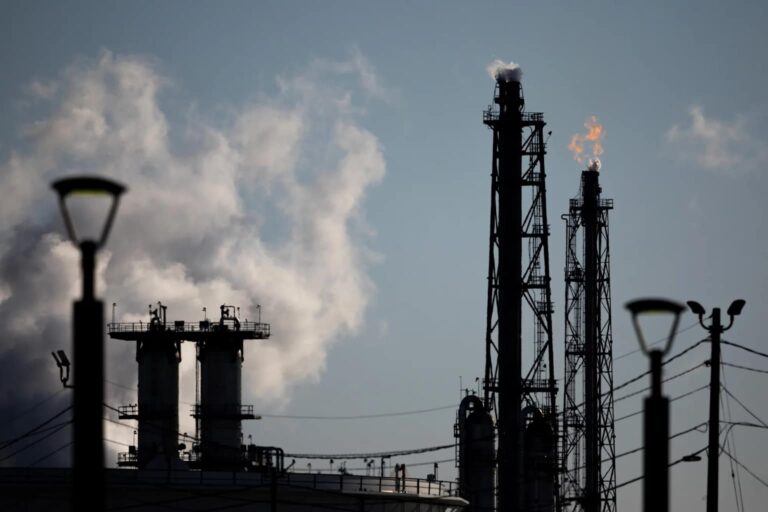
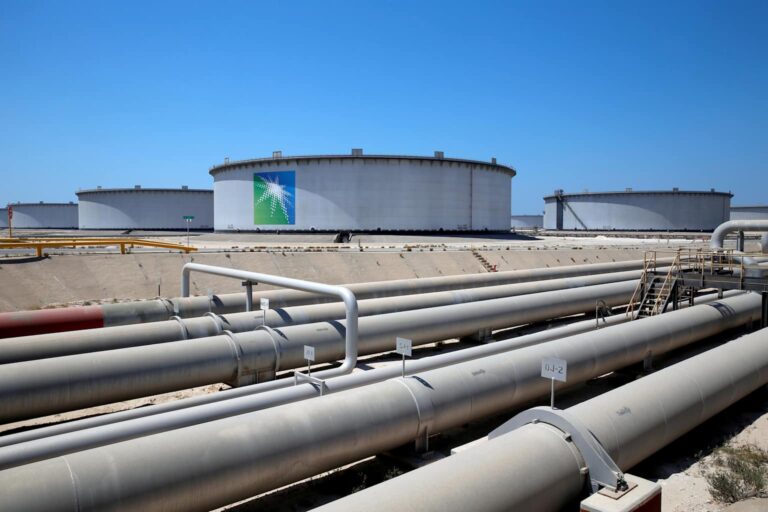
Adding fuel to the rally, commercial vessel traffic through the Strait of Hormuz has collapsed amid ongoing military conflict in the Persian Gulf. The near-closure of the strait — the world's most critical energy chokepoint — has driven up crude oil, fertilizer, and shipping costs, all of which feed into grain production and transportation expenses.maritimenews+3
Meanwhile, the USDA's latest crop progress report showed the U.S. corn harvest reaching 5% completion as of September 6, ahead of the five-year average of 3%, but corn condition slipped to a new season low. Fresh harvest and crop condition data due this week could further influence direction in a market already on edge from geopolitical risk and outsized speculative positioning.agriculture