


Newsletter Subscribe
Enter your email address below and subscribe to our newsletter
[forminator_form id="25163"]

All voices matter
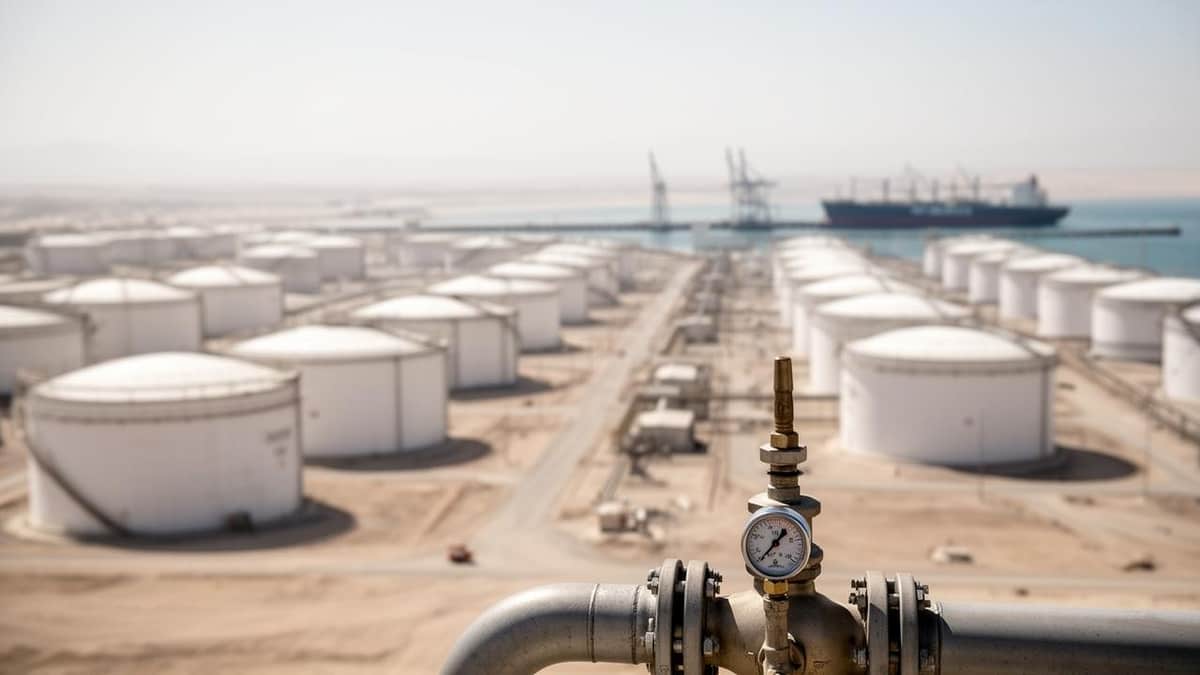
finance.yahooReuters+1finance.yahoo+1Global oil markets remain under severe strain as the Strait of Hormuz enters its third month of disruption, with Iran refusing to reopen the waterway until the United States meets a sweeping list of demands. Brent crude has surged more than 6% in the past week alone, while new U.S. sanctions against Iran expected Monday threaten to push hopes of a diplomatic resolution further out of reach.
Citi Citigroup Inc. analysts warned Sunday that observed global oil inventories have declined at a rate of approximately 3 million barrels per day between February and August, translating into a cumulative draw of roughly 519 million barrels. If the pace continues, OECD stocks could reach approximately 70 days of supply cover — a threshold last seen during the second oil shock of the 1970s — by the end of 2027.finance.yahoo
The bank cautioned that aggregate figures may mask more immediate pain in specific products. "Specific refined products (especially diesel) are already facing distress now, which could worsen further," Citi wrote, noting that U.S. wholesale diesel prices have risen to more than $100 per barrel above WTI and that weighted refinery margins have surged approximately 350% this year.finance.yahoo
Iran announced the formal closure of the Strait of Hormuz in June after U.S. attacks, declaring that any vessel attempting passage would be fired upon. Since then, Tehran has repeatedly insisted the waterway will not reopen until Washington ends its military campaign, withdraws naval forces, lifts sanctions, and compensates Iran for war damages.Reuters+2
The U.S. is expected to announce additional economic sanctions against Iran on Monday, a move that dims prospects for near-term negotiations. President Trump has also threatened sanctions against countries trading with Iran. Iran rejected the latest threats, with the secretary of its Supreme National Security Council stating the body "will never back down, whether in war or in negotiations".Iran International+1
Adding to the structural upheaval in oil markets, the UAE formally left OPEC on May 1 after nearly 60 years of membership, citing "national interests" amid the wartime crisis. The departure weakened the cartel's ability to coordinate production at a moment of extreme supply disruption and freed Abu Dhabi's national oil company ADNOC to pursue aggressive capacity expansion.Reuters+2
Citi's base case still assumes a deal will eventually be reached and the Strait will reopen during the fourth quarter, which would bring Brent back toward the $60-per-barrel range in 2027. But with diesel markets already in distress and Asian importers drawing down strategic reserves at unprecedented rates, each week without progress raises the stakes for a crisis that has already redrawn the global energy map.trendsgroup+1


