Newsletter Subscribe
Enter your email address below and subscribe to our newsletter
[forminator_form id="25163"]

All voices matter
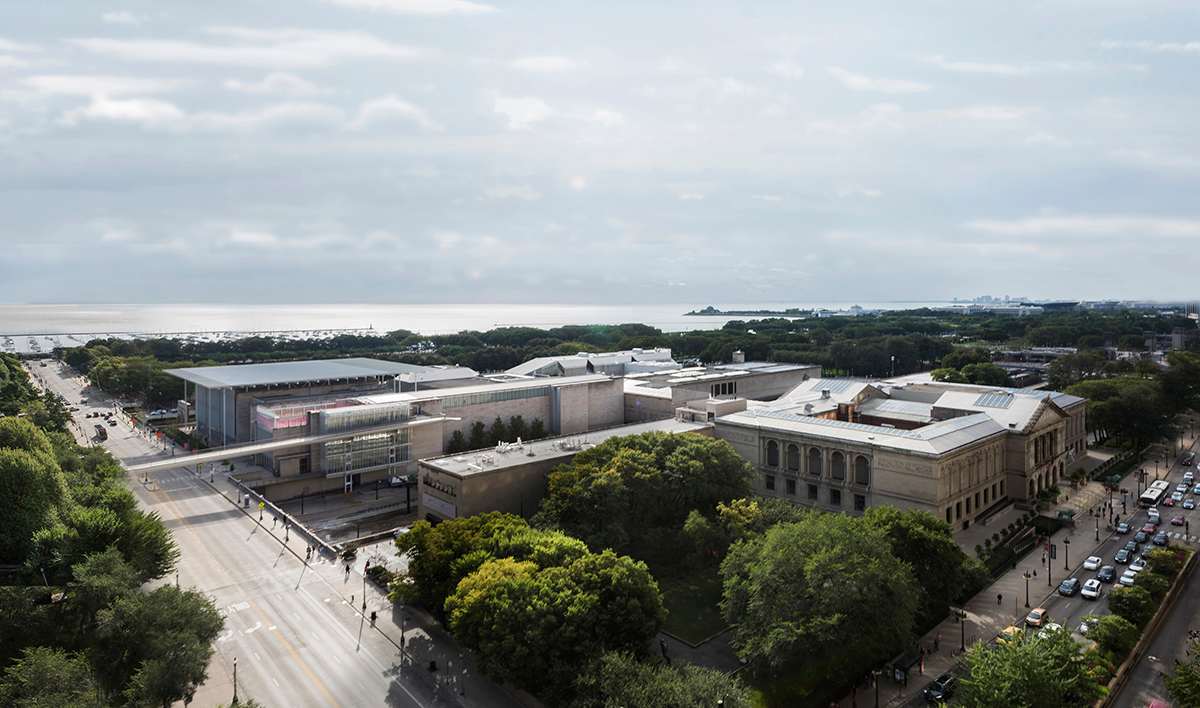
threads+2.artic+2.artic+1.artic+1.artic+1.The Art Institute of Chicago is reopening its European design galleries on July 11, 2025, following an 18-month renovation by Barcelona-based architectural firm Barozzi Veiga, with the elegantly redesigned 4,500-square-foot space now showcasing more than 300 objects—40% more than previously displayed—spanning European design from 1600 to 1900.
Barozzi Veiga, established in 2004 in Barcelona by Fabrizio Barozzi and Alberto Veiga, has developed a distinctive architectural language characterized by clean volumes, precise proportions, and contextual sensitivity. The firm's approach often involves creating simple yet powerful forms that respond thoughtfully to their surroundings, as exemplified in projects like the Tanzhaus Zürich Cultural Center, where a tiered volume creates a new public space along the Limmat River while featuring triangular openings that give the dance school its distinctive identity.archdaily
The studio has garnered international recognition for its public and cultural buildings, with a portfolio spanning museums, auditoriums, and educational facilities across Europe and beyond. Their work demonstrates a consistent dialogue between contemporary design and historical context, seen in projects like the Bündner Kunstmuseum extension, which respectfully responds to the Palladian order of the original Villa Planta while maintaining its own formal autonomy. Recent projects include their first U.S. commission for Oolite Arts in Miami, featuring a village-like collection of rooms and vertical structures that balance public and private spaces, and two buildings for London's Design District with polished aluminum façades that reflect changing light conditions throughout the seasons.barozziveiga+2
The newly designed Eloise W. Martin Galleries showcase an impressive array of over 300 objects that highlight the economic, social, and technological forces shaping European design from 1600 to 1900. This expanded collection features:artic+1
articarticarticarticarticThough designed for European patrons, many pieces reflect global influences and craftsmanship from artisans across Europe, Asia, and the Americas, illustrating the complex dynamics of colonial trade, industrialization, and cultural exchange during this transformative period.artic+1
The reimagined European galleries reflect a significant shift in curatorial approach, moving away from traditional national or regional categorizations toward a more interconnected global narrative. This transcultural perspective acknowledges how European art and design were shaped by complex exchanges across continents, with objects embodying influences from Africa, Asia, and the Americas. Rather than presenting European design as isolated or purely self-referential, the galleries highlight how artistic traditions flowed across borders, resulting in hybrid forms that challenge conventional art historical boundaries.metmuseum+3
glasstireeuropeanculturalcentre+1posterhouse+1artsartistsartwork+1