Newsletter Subscribe
Enter your email address below and subscribe to our newsletter
[forminator_form id="25163"]

All voices matter
ts2ts2+1ts2Brent crude settled at $88.52 per barrel on Friday, carrying a 10.7% risk premium above Goldman Sachs's The Goldman Sachs Group, Inc. estimated spot fair value of roughly $80, as competing U.S. and Iranian claims over the Strait of Hormuz continue to choke global oil flows. WTI crude recovered near $80, while energy stocks posted strong weekly gains, with the Energy Select Sector SPDR Fund climbing 7.7% over the week.ts2
Oil shipments through the Strait of Hormuz averaged 14.6 million barrels per day in the first quarter of 2026, down 28.4% from 20.4 million bpd in the same period a year earlier, according to EIA data. The head of Iran's Basij declared the strait is "under Iran's control and management," while President Trump claimed the United States had "total control." Neither assertion has resolved the throughput crisis, with Iran's joint command requiring Tehran's approval for vessels to transit, according to Reuters.ts2
Danny Citrinowicz, a senior researcher at Tel Aviv University's Institute for National Security Studies, warned that supply chain disruptions could persist for years even after a peace deal. "Even if we have an agreement between the Omanis and the Americans… it will take time because the bureaucracy of the Iranians will be such that every ship going toward the Straits will need to be enlisted," he told Philippine media last week.tribune
The International Energy Agency projects an oil shortfall of 1.8 million barrels per day in the third quarter, with Middle East output running 8.3 million bpd below pre-war levels. U.S. refineries are operating at or near maximum capacity, leaving little domestic flex to absorb additional demand, according to The Wall Street Journal News Corp reporting.marketscale+1
Chevron gained 7.2% on the week and Exxon Mobil rose 4.6%, reflecting the sector's broad advance.ts2
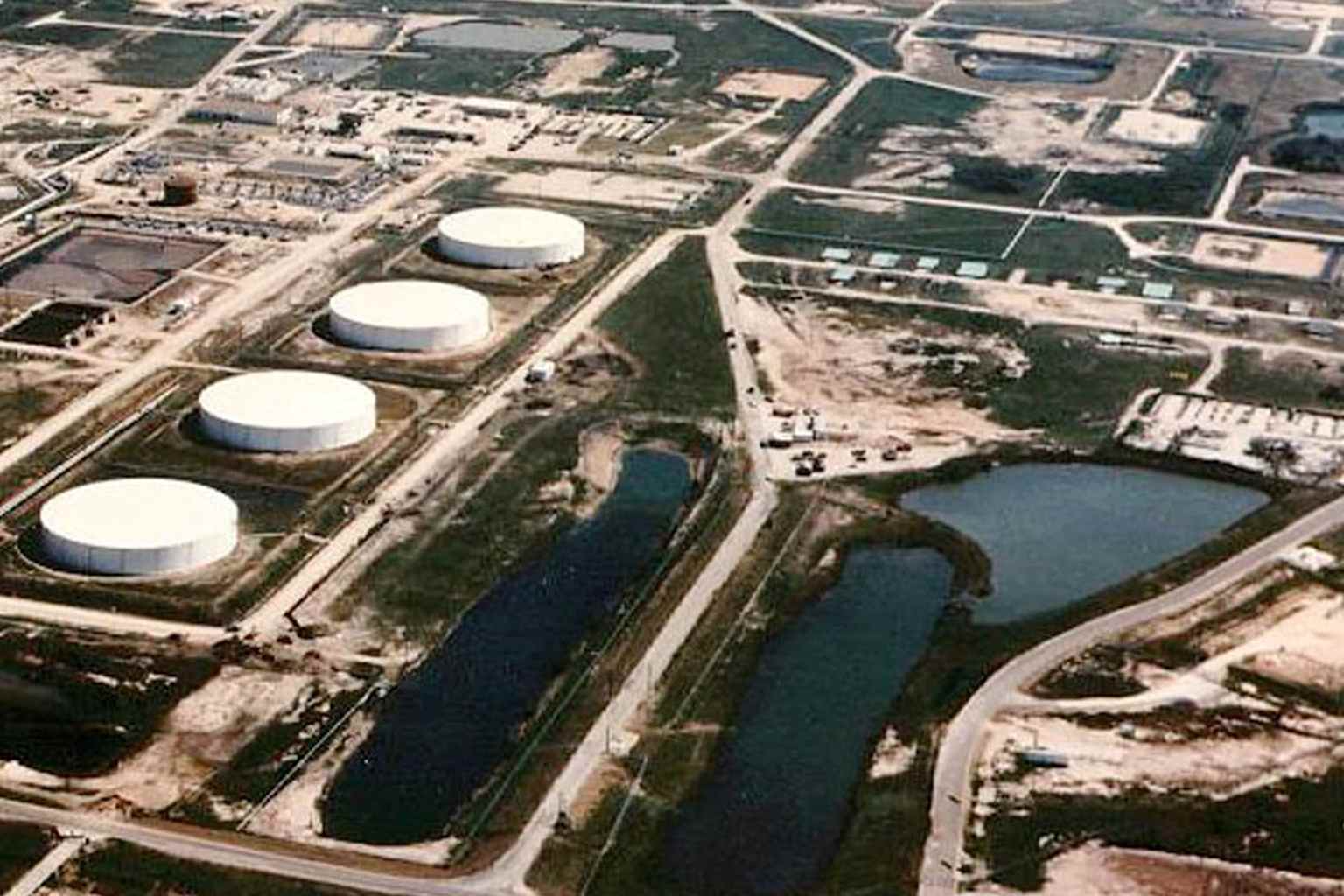
The U.S. Strategic Petroleum Reserve has fallen below 300 million barrels for the first time since the early 1980s, according to Department of Energy data released this week, as the government draws down 172 million barrels in response to the Iran war. Experts warn the rapid drawdown risks damaging the Gulf Coast salt caverns that store the oil.cnbc
"Below 300 million, which is where we are now, it is not that we can't do it, but it slows the flow and puts us in danger," former senior energy advisor Amos Hochstein told CNBC. Siddharth Misra, a petroleum engineering professor at Texas A&M University, said "cavern integrity and overall operational capability are at an elevated risk" at current inventory levels.cnbc
When oil futures trading resumes next week, $90 per barrel will be the key level to watch, with market participants monitoring vessel movements through the strait and awaiting further U.S. economic actions.ts2