Newsletter Subscribe
Enter your email address below and subscribe to our newsletter
[forminator_form id="25163"]

All voices matter
nytimes.com.sfn.org+1.biorxiv.org+1.The Society for Neuroscience's annual meeting opened in Washington on Saturday, November 14. Ahead of press briefings, the society released studies on artificial intelligence, sex differences in disease, Alzheimer's risk, brain-computer interfaces and biomarkers for brain disorders. Neuroscience 2026 runs through Wednesday, November 18, at the Walter E. Washington Convention Center. Organizers expect nearly 11,000 reports of new findings and 20,000 to 23,000 participants.sfn.org+1
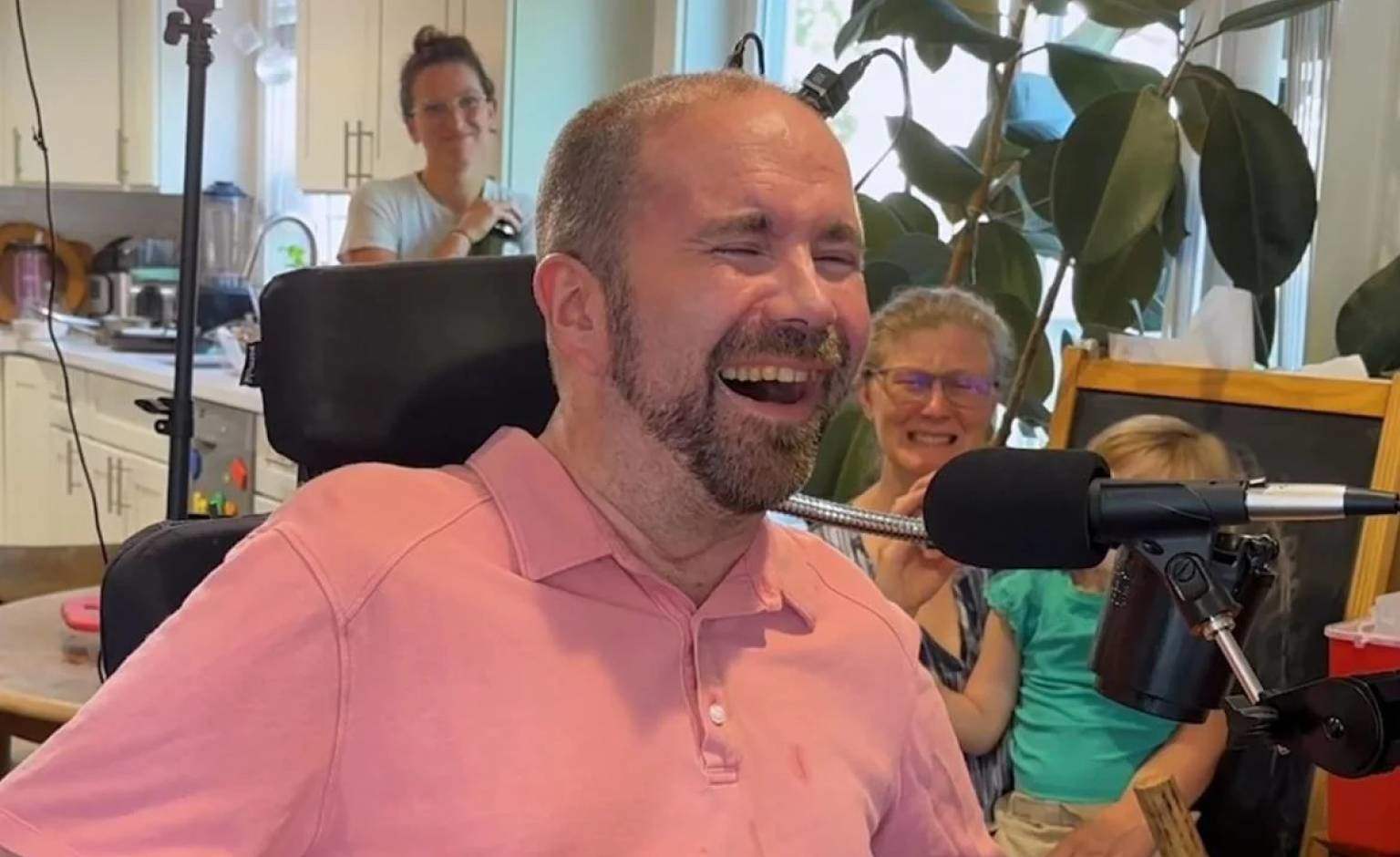
The most detailed early results come from brain-computer interfaces. These devices record brain signals and turn them into commands, and the society says recent advances are restoring communication for clinical trial participants who can no longer speak or move voluntarily. The New York Times reported that University of California, Davis researchers used implants to turn the brain signals of a 46-year-old man with ALS directly into intelligible speech. A 58-year-old trained singer with the disease was able to sing a musical scale. In a related preprint, the team reported that listeners transcribed the system's synthesized voice with a word error rate of 5.24%, compared with 43.75% for the previous best results.eurekalert.org+2
"This system, for the first time, is good enough," said Cindy Chestek, a University of Michigan biomedical engineer who was not involved in the work, in an interview with the Times. She is moderating the meeting's brain-computer interface briefing on November 17.nytimes.com
A separate set of studies looks at how biological sex affects how disorders progress and respond to treatment, with a focus on Alzheimer's disease and fibromyalgia. Fibromyalgia, a chronic pain and fatigue condition, affects 2% to 4% of people worldwide. "The research presented at Neuroscience 2026 helps us pinpoint the specific differences that may help us develop more targeted treatment using precision approaches," said Liisa Galea of the Centre for Addiction and Mental Health, who is moderating the November 15 briefing, in the society's release. Other researchers are set to describe how nanoplastics, a leaky gut, probiotics and the brain's waste-clearance system relate to Alzheimer's.eurekalert.org+1
Researchers are also presenting work on how AI helps scientists analyze huge datasets and simulate brain processes, while brain research in turn helps improve computational models. "The bidirectional connections between neuroscience and AI go back a long time," said MIT computational neuroscientist Satrajit Ghosh, who moderates the AI session on November 17.medicalxpress.com+1
Another group of studies looks at biomarkers from brain imaging, blood, genetic changes and subtle movement signs for Alzheimer's, mood disorders and neurodevelopmental conditions. Carol Taylor-Burds of the National Institute of Neurological Disorders and Stroke said such tools are "essential" for diagnosis, prognosis and tracking how patients respond to treatment.eurekalert.org