Newsletter Subscribe
Enter your email address below and subscribe to our newsletter
[forminator_form id="25163"]

All voices matter
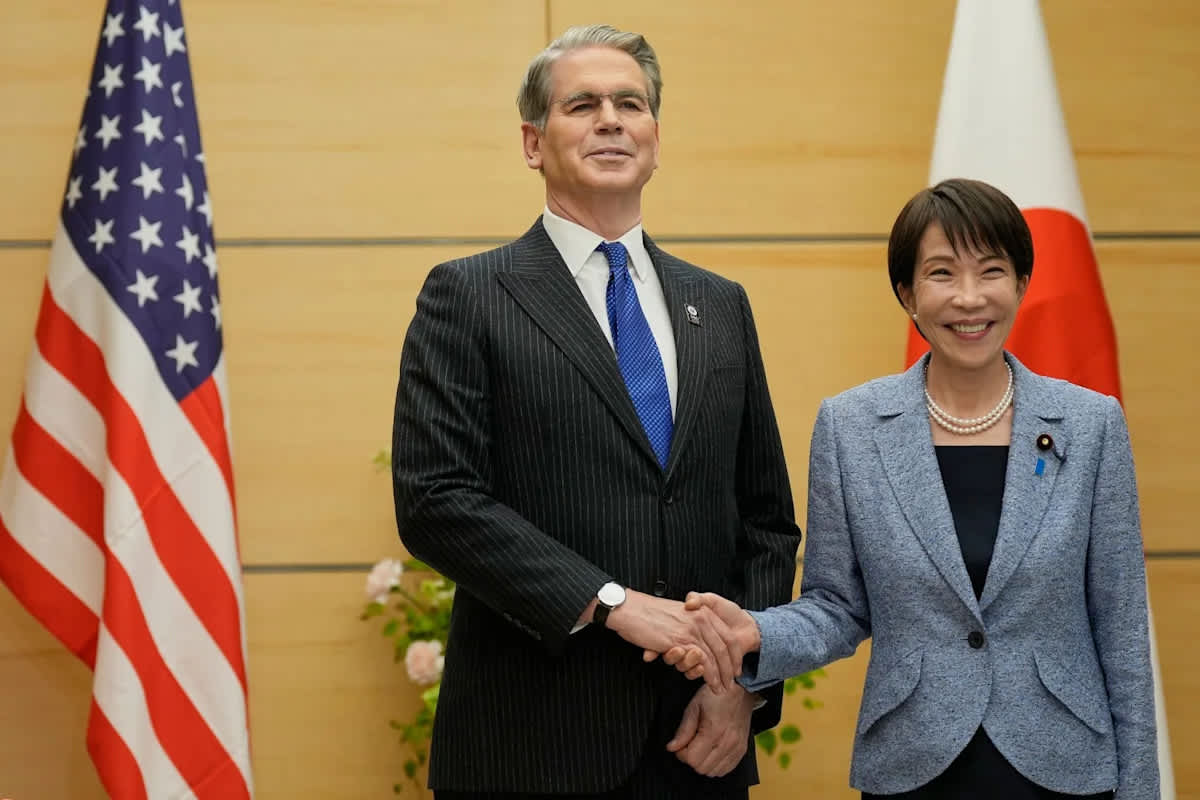
bloomberg+1investinglive+1bloomingbitU.S. Treasury Secretary Scott Bessent on Tuesday challenged currency traders to bet against his efforts to strengthen Japan's yen, boasting that his position gives him an insurmountable informational edge over the market. Speaking at an event at Southern Methodist University in Texas, the former hedge fund manager declared, "I'm the house now," according to Bloomberg.finance.yahoo+1
Bessent said he possesses "asymmetric information" about how the Bank of Japan and Japanese policymakers would respond to any market intervention aimed at propping up the yen. "If you want, you can bet against me," he said, responding to criticism that a Treasury secretary takes on risk by intervening in currency markets.bloomingbit
Bessent cited a July 31 episode in which the U.S. and Japan jointly bought yen in a rare coordinated intervention. Reuters photographs from a cabinet meeting that day showed Bessent's notepad suggesting the U.S. Treasury was contemplating purchasing $5 billion to $10 billion worth of yen, while Japan's move topped $50 billion. The yen strengthened immediately after the intervention but later gave back some gains as questions emerged about the limits of Treasury resources available for foreign-exchange operations.finance.yahoo+1
The remarks reflect Bessent's willingness to use his bully pulpit — and his trading background — to shape currency expectations. He has repeatedly signaled that he prefers Japan to address yen weakness through BOJ rate increases rather than repeated direct intervention.bloomingbit+1
The yen has continued to strengthen in recent sessions even without confirmed additional intervention, buoyed by rising expectations that the BOJ will raise its benchmark rate by 0.25 percentage points at its September 17-18 meeting. Markets are pricing in roughly an 80% chance of such a hike, which would bring Japan's policy rate to 1.25%. BOJ Governor Kazuo Ueda said earlier this month that the central bank would debate raising rates in September with a focus on whether inflationary risks were heightening.investinglive+3
Takuji Aida, an economic adviser to Prime Minister Sanae Takaichi, projected the BOJ would hike in September and continue at a quarterly pace until January, according to Reuters.reuters
Japanese Finance Minister Satsuki Katayama said on Tuesday that the two countries' approach to exchange-rate policy had not changed following the joint intervention and that Tokyo would continue close communication with the U.S. Treasury. Bessent has pressed Japanese officials on why the BOJ was not given more autonomy on rate decisions, with The New York Times reporting that he spent over two hours at a May dinner with Katayama expressing frustration with economic policies under the Takaichi administration.bloomingbit+1
Bessent also said Tuesday that last month's expansion of long-term U.S. Treasury buybacks was intended to cool excessive heat in the bond market.bloomingbit