Newsletter Subscribe
Enter your email address below and subscribe to our newsletter
[forminator_form id="25163"]

All voices matter
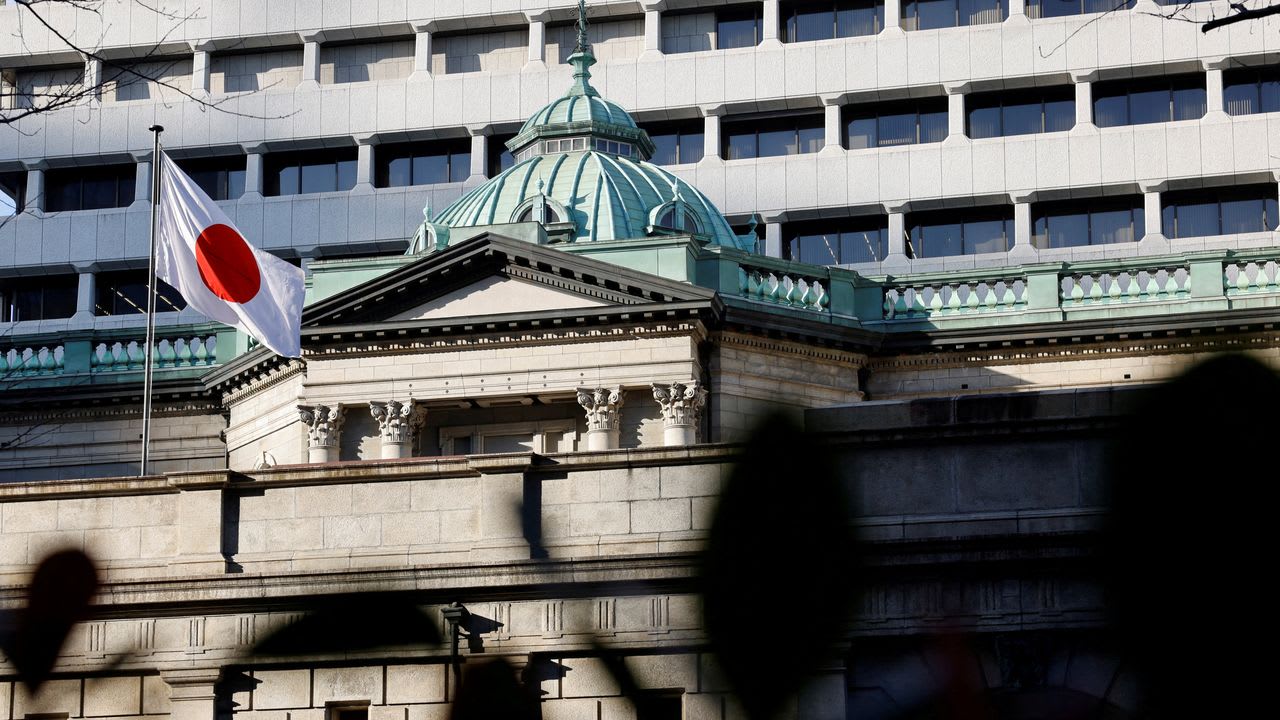
cnbc+1cnbc+1reutersThe Bank of Japan on Friday raised its policy rate by 25 basis points to 1.25%, the highest level since 1995, as the central bank moves to contain inflation fueled by soaring energy costs and a persistently weak yen.cnbc+2
The decision, passed by a 7-2 vote at the conclusion of a two-day policy meeting, marks the sixth rate increase since the BOJ exited negative interest rates in March 2024 and the fastest pace of tightening in the current cycle, coming just three months after the previous hike in June. Board members Toichiro Asada and Ayano Sato — both appointed by Prime Minister Sanae Takaichi and seen as reflationists — dissented, with Asada arguing that core inflation remains below 2% and Sato contending that economic conditions did not warrant a move now.reuters+3
Despite the rate increase being almost universally expected — all 52 economists surveyed by Bloomberg anticipated the move — the yen weakened after the announcement, falling as much as 0.5% against the dollar. Markets had priced in the hike and turned their attention to signals about the pace of future tightening.bloomberg+1
The two dissenting votes tempered expectations. "The tone of the statement, along with two dissenters on the decision to raise rates, leaves lingering doubts that Japan's central bank will be cautious in tightening monetary policy further," Reuters Thomson Reuters Corporation reported, citing investor reaction. The BOJ stated it would continue raising rates and adjusting the degree of monetary accommodation, but flagged risks from the Middle East crisis, AI-related demand shifts, and foreign exchange movements.reuters+1
The hike followed the Federal Reserve's rate increase on Wednesday and the European Central Bank's move earlier this month, as central banks globally contend with inflation driven by the conflict in the Middle East and disrupted energy supplies. U.S. Treasury Secretary Scott Bessent has publicly pressed Tokyo to tighten policy, urging BOJ Governor Kazuo Ueda to take "decisive market and monetary steps" at the recent G20 meeting. The New York Times reported that Bank of America's chief economist for Japan, Izumi Devalier, said the BOJ "already had good reason to raise interest rates" but that U.S. pressure gave "the impression that Japan's central bank, which is legally independent, was co-opted into policy," calling it "not beneficial for monetary policy".bbc+3
Data released Friday showed Japan's core inflation eased slightly to 1.7% in August from 1.8% in July, below the BOJ's 2% target but expected to rise as higher energy costs feed through. The BOJ's own projections see underlying inflation accelerating "clearly above 2%" in the second half of fiscal 2026. Hattori Naoki, chief Japan economist at Mizuho Research and Technologies, anticipates another hike to 1.5% in December, with rates potentially reaching 2.0% by June 2027. Governor Ueda's post-meeting press conference will be closely watched for clues on timing.nippon+3