Newsletter Subscribe
Enter your email address below and subscribe to our newsletter
[forminator_form id="25163"]

All voices matter
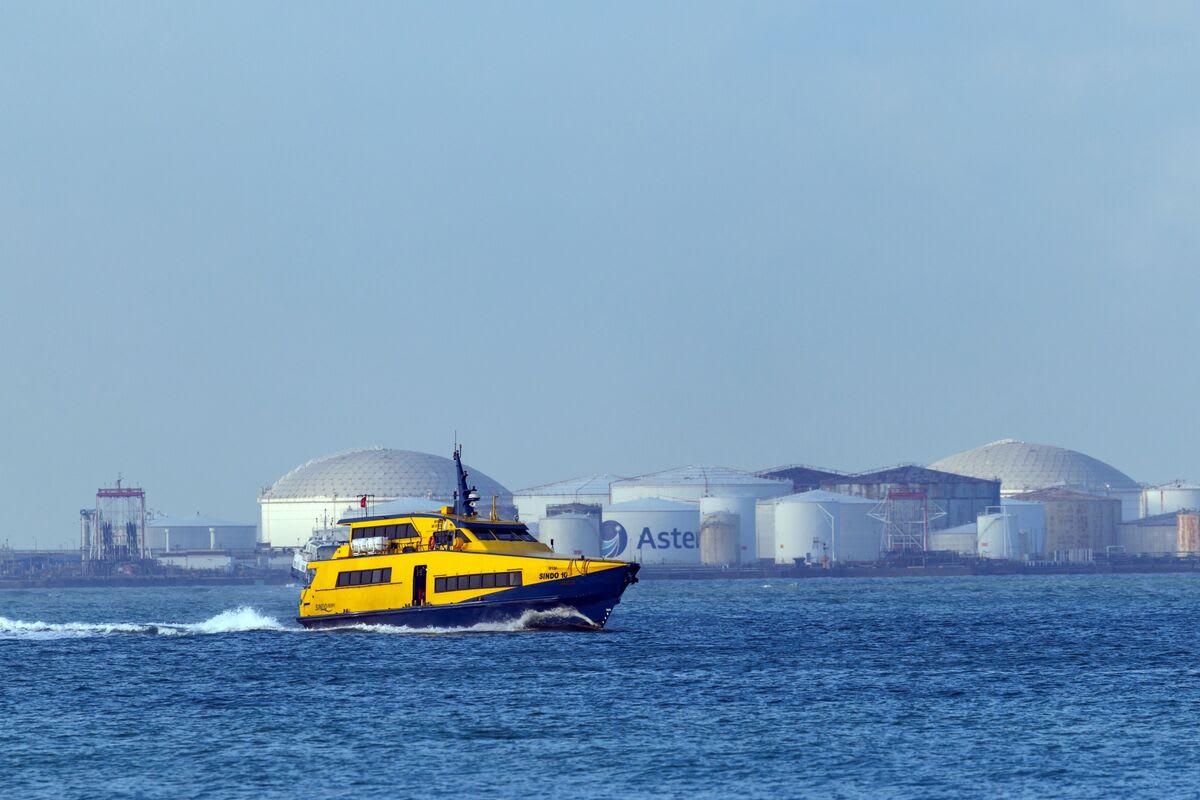
bloombergcongress+1morningstarSingapore-based Aster Chemicals and Energy Pte is purchasing crude oil from Latin America and West Africa to keep its refinery supplied as the U.S.-Iran war continues to choke off Middle Eastern shipments through the Strait of Hormuz.
The company, which operates a refinery on Bukom Island southwest of Singapore, sourced roughly 70% of its crude from the Middle East before the conflict began in late February, according to Bloomberg. That share has now dropped as the firm turns to more distant suppliers to fill the gap.bloomberg
Han Lih Kwong, managing director of Aster's refinery and chemical assets, told Bloomberg the company is ramping up purchases of crude grades it had refined before — "just not in such quantities." The shift underscores the scale of disruption facing Asian refiners seven months into the conflict.bloomberg
Aster is not alone in looking beyond the Persian Gulf. In July, at least 11 million barrels of U.S. crude were sold to Asian buyers in a single day as hostilities escalated and observable traffic through the Strait of Hormuz slowed to a trickle, Bloomberg reported at the time. Buyers included refiners in South Korea, Japan, and Thailand.energyconnects
The Strait of Hormuz, which normally carries roughly a quarter of global oil flows, has been largely blocked since the outbreak of hostilities on February 28, according to the Congressional Research Service. Periodic Iranian attacks on shipping and retaliatory U.S. strikes have kept the waterway contested for most of the past six months.congress
A fresh round of clashes between the two countries pushed Brent crude to its highest level since late July, briefly touching $100 a barrel on Wednesday, according to MarketWatch. Iran warned over the weekend that U.S. energy assets across the Gulf remained vulnerable, Reuters reported.morningstar+1
The sourcing pivot comes as Aster prepares to expand its processing capacity. The company expects to bring online a 70,000-barrel-per-day condensate splitter in the second half of 2026, raising total crude and condensate throughput to 307,000 barrels per day from the current 237,000, according to the Straits Times. Repairs to a single buoy mooring that would allow supertankers to discharge directly at Bukom are also underway.straitstimes+1
Those upgrades could eventually ease the logistics of importing crude from farther afield. But for now, Aster — and much of Asia's refining sector — faces both higher costs and longer supply lines as the Middle East conflict grinds on.