Newsletter Subscribe
Enter your email address below and subscribe to our newsletter
[forminator_form id="25163"]

All voices matter
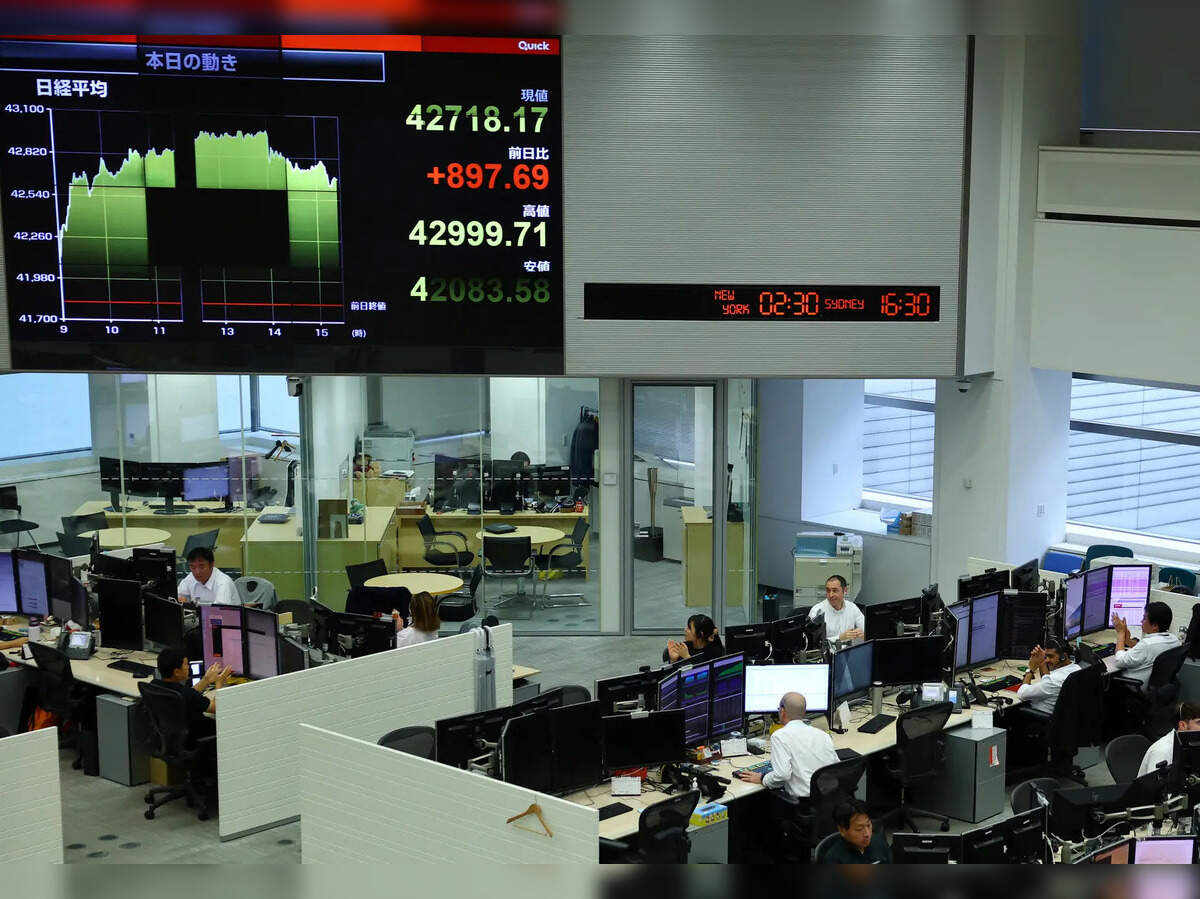
finance.yahoo+1swissinfo+1mezhaAsian equity markets surged on Tuesday to cap their strongest quarter in nearly two decades, powered by an artificial intelligence boom in semiconductor stocks, even as a resurgent dollar pushed the yen to a four-decade low and dragged gold to its deepest quarterly decline in more than ten years.
Japan's Nikkei 225 rose more than 38% for the second quarter, its sharpest quarterly advance in data going back to 1965, according to Reuters. South Korea's Kospi, driven by chipmakers, posted a quarterly gain of nearly 71% and has more than doubled year-to-date. Taiwan's TAIEX contributed more than 40% of the region's overall growth for the quarter. The MSCI Asia Pacific Index rose 0.8% on the final trading day, putting it on track for its biggest quarterly gain in 17 years, according to Bloomberg.finance.yahoo+3
The rally has been underpinned by global enthusiasm for companies seen as beneficiaries of the AI buildout, from Asian chipmakers to upstream suppliers. Japan's benchmark closed above 70,000 points in early Tuesday trading, having breached 72,000 for the first time earlier in June.swissinfo+2
The U.S. dollar extended its rise to a fourth straight quarterly gain, driven by repricing of Federal Reserve rate expectations after strong economic data. The dollar index gained about 1.3% for the quarter, while the yen weakened beyond 162 per dollar — breaching the nadir touched in July 2024 and prompting jawboning from Japanese officials. Japan's Finance Minister Satsuki Katayama said authorities are "prepared to respond accordingly at any time".swissinfo+1
Gold posted its largest monthly fall since October 2008 and its deepest quarterly decline in over a decade, pressured by the stronger greenback.mezha+1
Despite the historic rally, institutional investors have been selling into strength rather than adding fresh positions. BNY macro strategist Geoff Yu noted that the heavy tilt toward technology giants in regional indexes has prompted foreign investors to rebalance and lock in profits. Since the start of the year, roughly $17.3 billion has flowed out of South Korean securities, according to BNY data.mezha
"Strong results support rebalancing and profit-taking rather than new institutional buying," Yu said.mezha
The divergence across the region remains stark: while tech-heavy markets soared, Hong Kong's Hang Seng lagged, down about 7.5% for the quarter. Analysts say markets will be watching how the balance between technology, defense, and renewable energy shifts in the months ahead amid persistent dollar strength and elevated volatility.mezha