Newsletter Subscribe
Enter your email address below and subscribe to our newsletter
[forminator_form id="25163"]

All voices matter
news.futunn+1aljazeera+1news.futunn+1Surging Persian Gulf crude output is upending traditional oil trade flows, with Asian refiners redirecting Middle Eastern barrels to destinations as unlikely as California and Hawaii — a sign that the post-war rebalancing of global energy markets is proving more chaotic than orderly.
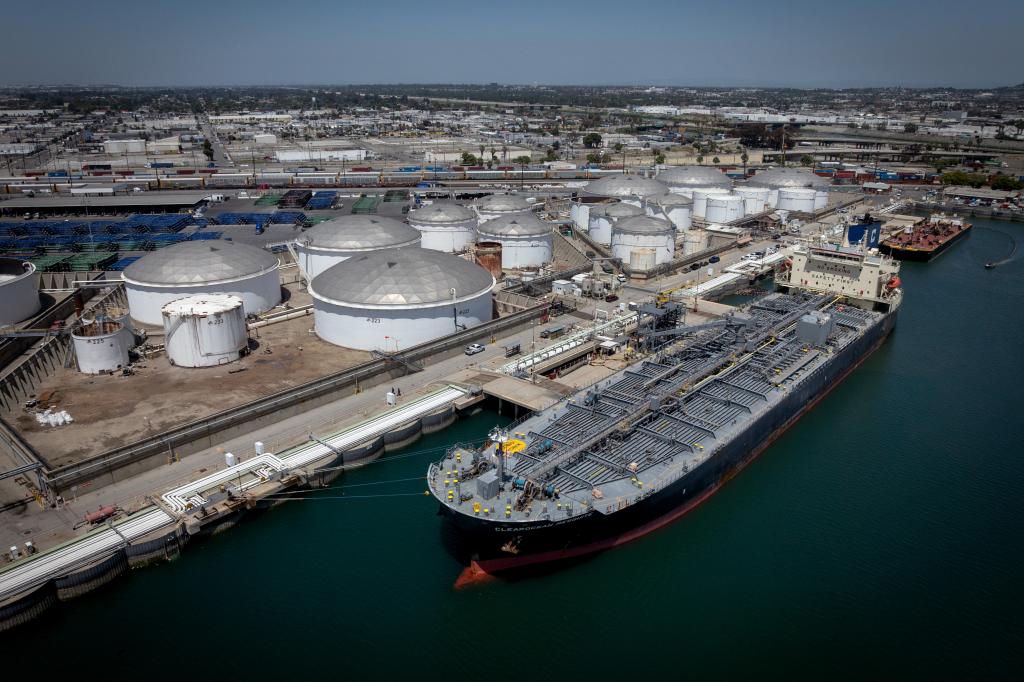
Oil production from the Persian Gulf is ramping up so quickly following the reopening of the Strait of Hormuz that Asian refiners, already well supplied through the summer, are pushing surplus cargoes to the U.S. West Coast, according to Bloomberg and Business Times reporting on Sunday. South Korean refiner GS Caltex purchased no U.S. crude over the June trading cycle for July-loading supplies, traders said, while UAE Murban crude is being offered at discounts that have inverted the usual price relationship with WTI.news.futunn+1
The anomaly reflects the collision of two forces: a rapid restoration of Gulf output and persistently weak Asian demand. Rystad Energy estimates that about 2 million barrels per day of shut-in production came back online in just three weeks after the U.S.-Iran ceasefire. Saudi Arabia is on track for a record 4.5 million bpd through its Red Sea Yanbu terminal this month, and Kuwait lifted force majeure notices on June 18, pledging to raise output above 2 million bpd.ce+1
China's crude imports collapsed to 7.8 million barrels per day in May — down roughly 29% year-on-year and the lowest since October 2017 — as the Iran war crimped supply and Beijing held off scrambling for replacements. With Iranian sanctions temporarily waived through August 21, Reuters Thomson Reuters Corporation reported that well-supplied Asian refiners see little room for additional purchases, leaving independent Chinese refineries as the primary takers.energyconnects+2
Around 31 supertankers carrying some 62 million barrels of crude had been trapped inside the Persian Gulf during the blockade and began sailing out after the interim deal was signed in mid-June, threatening to swamp a region that had already found alternative supplies.japantimes+1
Despite the rapid initial rebound, the International Energy Agency has cautioned that restoring the region's full output capacity will take time. IEA Executive Director Fatih Birol said in March that at least 40 energy facilities across nine Middle Eastern nations sustained "severe or very severe" damage during the conflict. Rystad Energy has estimated repair and restoration costs between $34 billion and $58 billion.cnbc+1
The consultancy now expects total regional outages to fall below 2 million bpd by the end of September and production to return to prewar levels by year-end — earlier than its previous forecast of the first quarter of 2027. But the weekend flare-up of U.S.-Iranian strikes, followed by a renewed commitment to negotiations in Doha, underscored the fragility of the ceasefire that underpins those projections.aljazeera+2