Newsletter Subscribe
Enter your email address below and subscribe to our newsletter
[forminator_form id="25163"]

All voices matter
whytimes.kr+1.investor.nvidia.com+1.uk.finance.yahoo.com+1.Alibaba and Tencent lost about $75 billion in combined market value in the week to November 13. Investors bet that Jensen Huang's sudden exit from Nvidia would clear the way for tougher US limits on China's access to advanced AI chips. The Financial Times reported that Alibaba fell about 14% over the week and Tencent about 8%, according to Coinpaper and WhyTimes. The FT's own coverage noted that Huang had supported keeping sales to China open.coinpaper.com+2
At issue is the remote-access route. US rules bar direct exports of top AI chips to China, but Chinese firms have been able to rent that computing power from data centers abroad. That workaround now looks exposed.
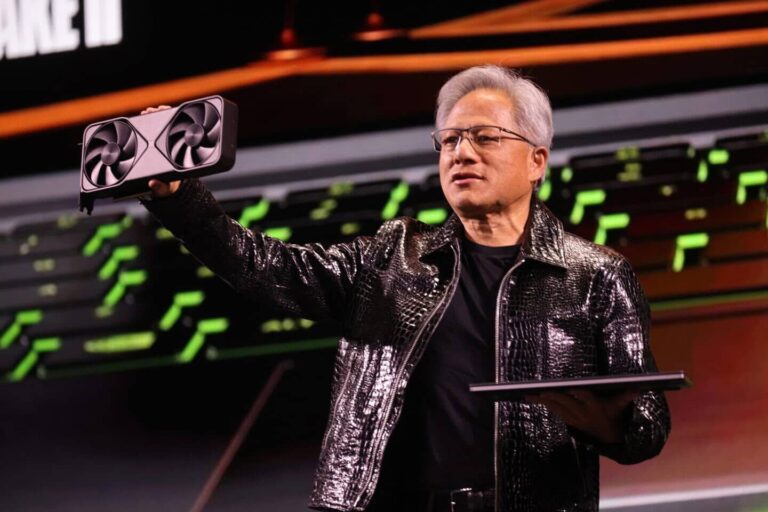
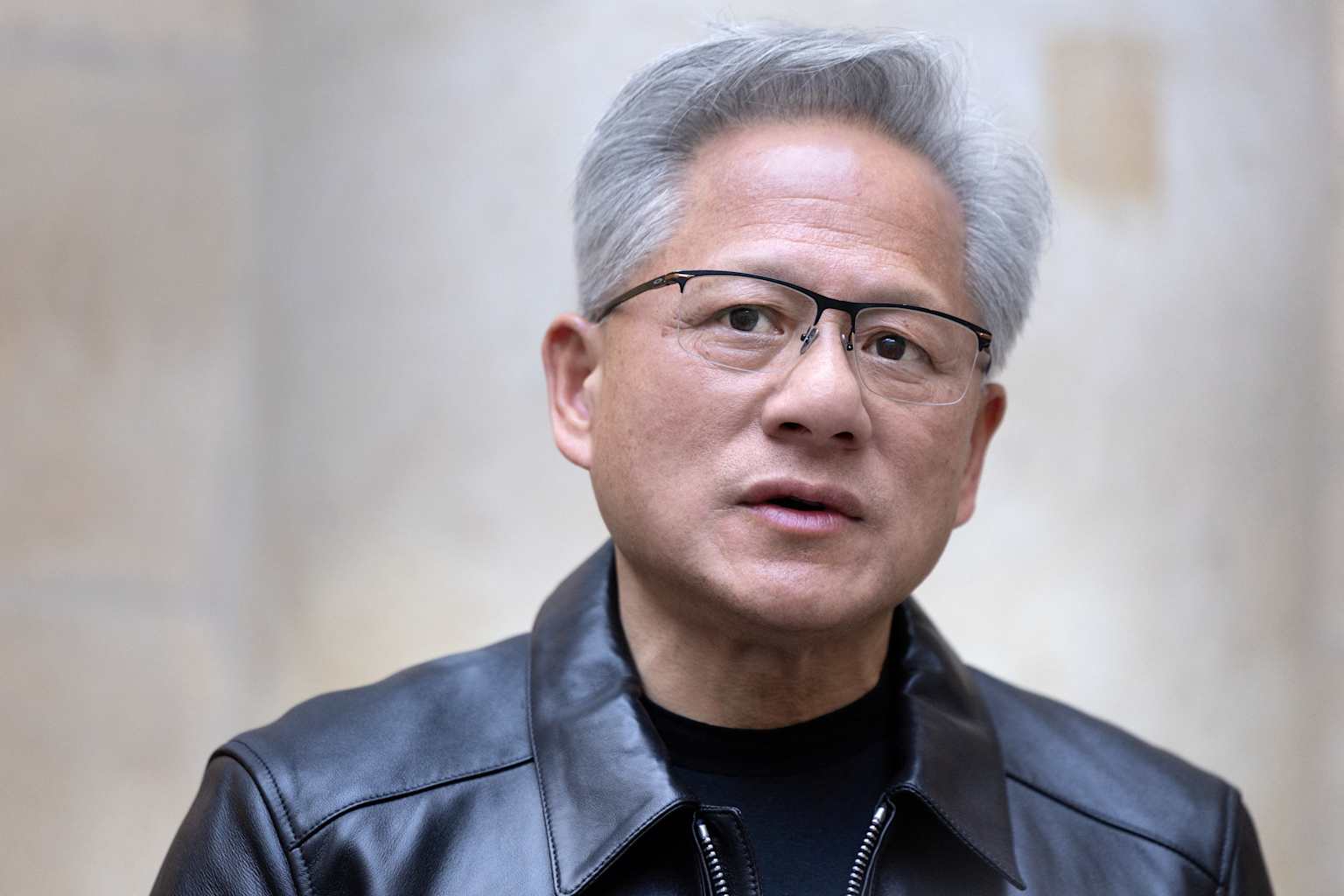
Nvidia said on Thursday, November 12, that Huang had resigned as president, CEO and board member, and that CFO Colette Kress would serve as interim CEO. His exit followed reports of extramarital affairs, including one with Alice Huang, a former Megaspeed executive whom US officials suspect of spying for China, Reuters reported.investor.nvidia.com+1
The same day, Alibaba fell as much as 7.3% in Hong Kong and closed 6.8% lower, well behind the Hang Seng Tech Index, according to MarketWatch News Corp . It reported that Alibaba was a key client of Megaspeed, a Singapore company that placed Nvidia servers in Malaysian data centers. The selling continued on Friday, November 13, hitting Tencent, Alibaba and smaller model developers, Investing.com reported.ca.finance.yahoo.com+1
Adding to the pressure, The Information reported on November 11 that the Commerce Department is finalizing a rule to stop Chinese AI firms from reaching advanced chips through overseas data centers. The rule could be announced this month, according to Investing.com. It would require export licenses for Blackwell-class chips going to Singapore, Malaysia, Thailand, Indonesia, Brazil, Norway and South Africa. Data centers run by US companies would be exempt if they block access from countries such as China, Asia Times reported. Tencent, Alibaba and ByteDance have all signed offshore data center deals that give them access to Nvidia's top chips.uk.finance.yahoo.com+1
The pressure was already building. Oracle recently canceled a roughly $7 billion leasing deal that would have given Tencent access to about 100,000 advanced chips in Southeast Asia, after US officials raised concerns, Asia Times noted.asiatimes.com
China's own chipmakers moved the other way. Cambricon rose more than 11% on Thursday and SMIC Semiconductor Manufacturing International Corporation also gained, as investors bet that tighter controls would push buyers toward Chinese alternatives, Investing.com reported. Beijing, meanwhile, warned Washington not to use the Nvidia scandal as a pretext for new tech curbs.ft.com+1
The timing adds political weight. Presidents Donald Trump and Xi Jinping are set to meet at the APEC summit in Shenzhen on November 18–19. Trump has been the most prominent voice pushing to allow Nvidia chip sales to China, using them as a bargaining chip in trade talks, according to Asia Times.asiatimes.com