Newsletter Subscribe
Enter your email address below and subscribe to our newsletter
[forminator_form id="25163"]

All voices matter
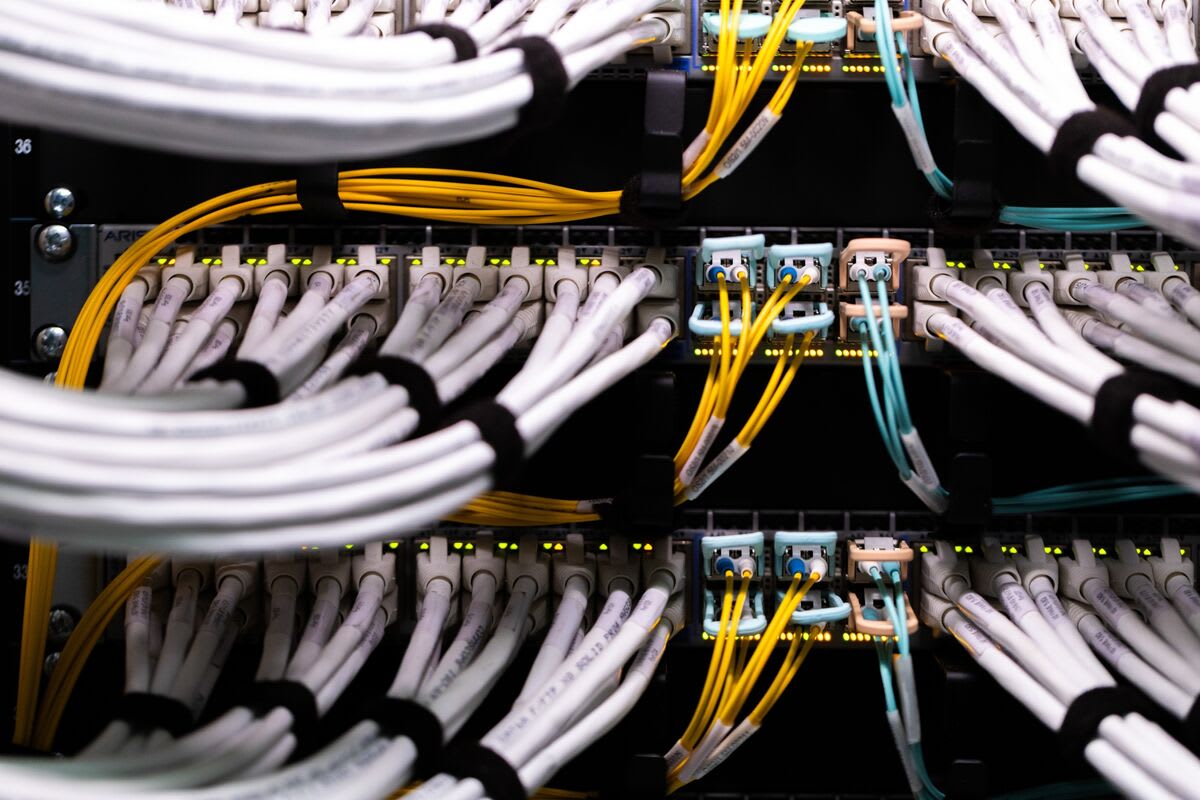
bloombergfinance.yahooworldbankPrivate investors are channeling record sums into artificial intelligence infrastructure across the developing world, with deal volumes in the first half of 2026 surpassing the full-year total for 2025, according to data from the Global Private Capital Association.
Flows from private equity, venture capital, and private credit funds reached $8.8 billion in the first half of 2026, the highest since the GPCA began tracking the data in 2008. Unlike public equity markets, where AI-related gains remain concentrated in South Korea and Taiwan, private capital is moving broadly into data centers and digital infrastructure across Latin America and Africa.bloomberg+1
Jeff Schlapinski, the GPCA's managing director of research, said the surge reflects investors' recognition that "there is a durable long-run opportunity in markets outside the US," where "persistent gaps in digital and energy infrastructure will serve pent-up demand from businesses and consumers for basic services".finance.yahoo
Among the largest transactions in the first six months of 2026, Indian data center firm Nxtra Data raised $1 billion from investors including Carlyle Group The Carlyle Group Inc. , while Yotta Data Services announced a $2 billion investment in Nvidia chips for an AI computing hub in India. In July, Apollo Global Management committed as much as $20 billion to infrastructure projects in Mexico, including data center financing. Kuaishou Technology's Kling AI also secured $2.8 billion in commitments from investors including Alibaba Group and Abu Dhabi's BlueFive Capital.finance.yahoo
The investment wave arrives as the World Bank this week urged poorer nations to embrace AI as a growth accelerator. The lender's World Development Report 2026, published August 4, said AI "could allow developing countries to do in a decade what might otherwise take a century," provided governments close gaps in power, connectivity, and skills. The report argued that emerging economies need not build massive data centers or bespoke large language models to benefit, instead advocating a three-step path: adopt available tools, adapt them to local conditions, and advance toward frontier development over time.cnbcafrica+1