


Newsletter Subscribe
Enter your email address below and subscribe to our newsletter
[forminator_form id="25163"]

All voices matter
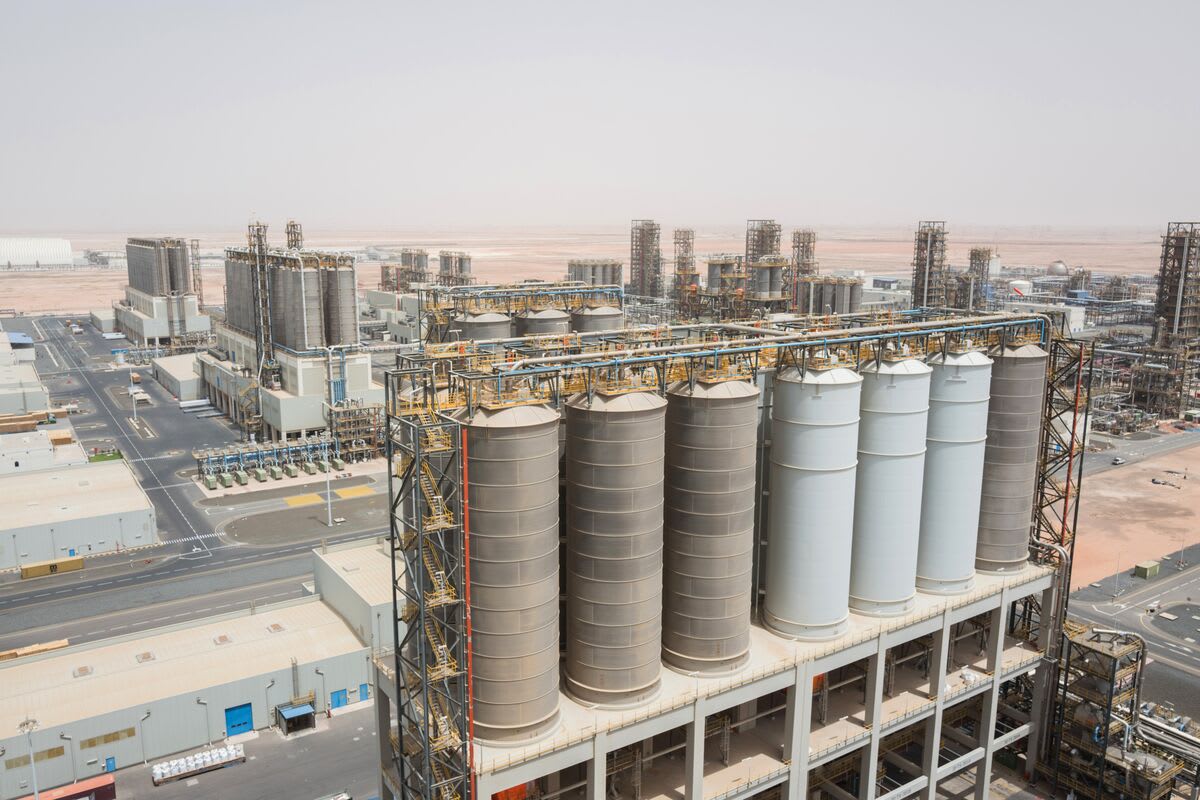
bloombergbloomberg+1ts2Abu Dhabi National Oil Co., the UAE's state oil producer, announced on Friday that it would overhaul the pricing mechanism for all of its crude oil grades, abandoning the ICE Futures Abu Dhabi Intercontinental Exchange, Inc. contract in favor of the regional Platts Dubai benchmark starting November 1.bloomberg
The decision marks a broader shift than the market had anticipated. Bloomberg reported earlier in July that Adnoc had discussed switching the pricing of its three offshore grades — Upper Zakum, Das, and Umm Lulu — to Dubai differentials. Friday's announcement extends the change to include onshore crudes as well, a move that effectively sidelines the Murban futures contract that launched on the ICE Futures Abu Dhabi platform in March 2021.adnoc+1
The change follows months of pricing distortions that left buyers paying tens of millions of dollars more for cargoes under the existing system, according to Energy Intelligence. Adnoc's crude-marketing team had traveled to Singapore in recent weeks to explain the proposals to refiners and traders. Reuters reported on June 30 that the company had already begun selling offshore cargoes at differentials to Dubai quotes in spot tenders.energyintel+2
Linking official selling prices to the Platts Dubai benchmark brings Adnoc's pricing in line with how most Middle Eastern crude is traded on the spot market, allowing easier comparison with grades such as Oman and Al-Shaheen.worldoil
The pricing overhaul comes against a backdrop of extreme volatility driven by the Strait of Hormuz crisis. Iran has largely disrupted traffic through the waterway since late February, and shipping volumes remain at roughly 30% to 35% of pre-conflict levels, according to Commonwealth Bank of Australia. Brent crude rose more than 20% in July, with the Brent-WTI spread widening as geopolitical risk premiums weighed heavily on seaborne crude pricing.ts2
The disruptions have forced oil shipments onto longer, less efficient routes through Egypt's SUMED pipeline and the Suez Canal, pushing transit times for Northeast Asia-bound cargoes out by roughly a month. U.S. crude inventories fell to 404.5 million barrels, their lowest since 2018, while American gasoline prices climbed 37% since the conflict began.ts2
Analysts quoted by Reuters said Brent is likely to trade in an $80 to $100 range in the near term, with further attacks on shipping capable of pushing prices back to triple digits. Oman-Iran negotiations and daily vessel transit data remain the key variables traders are watching. For Adnoc, the switch to Dubai pricing removes a structural mismatch that had grown untenable amid the most turbulent oil market conditions in years.ts2


