


Newsletter Subscribe
Enter your email address below and subscribe to our newsletter
[forminator_form id="25163"]

All voices matter
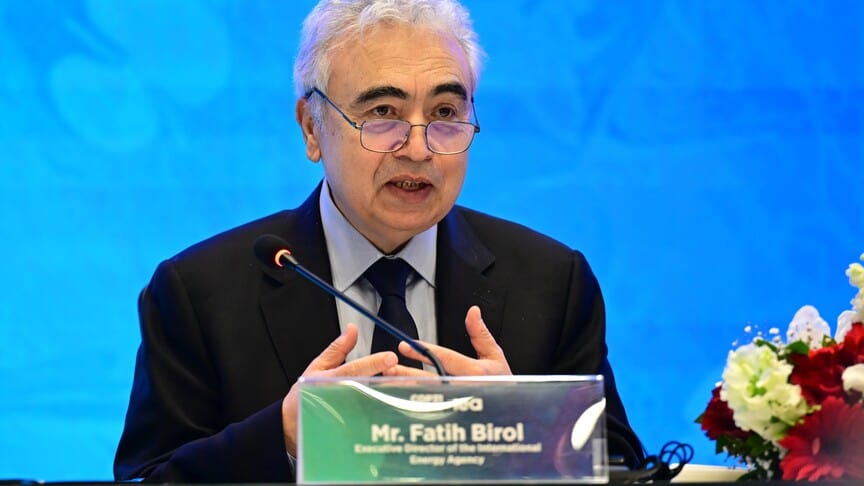
aa.aa.aa.Member governments of the International Energy Agency agreed on Wednesday to speed up the oil stock releases they pledged in March and to put diesel first where they can. The decision is the agency's response to fuel shortages and record diesel prices tied to the Strait of Hormuz crisis.aa+1
"Member governments expressed support for accelerating the oil stock releases announced in the Collective Action of March 2026 with a view to completing them as soon as possible," IEA Executive Director Fatih Birol said in a statement after the meeting. He added that members "also supported the prioritisation of the release of diesel stocks, to the extent possible, given the current tightness in diesel markets".live.euronext
Birol said about 325 million barrels have been released so far out of the 400 million pledged in March, which was the largest coordinated release in the agency's history. Some countries have released more than they promised. If every country delivers its remaining pledge, another 100 million barrels or so would reach the market, he said. The IEA did not say how that volume would be split between crude and diesel.aa+2
Member governments still hold about 1.1 billion barrels of public emergency stocks, including more than 200 million barrels of diesel. "The IEA stands ready to release more of these stocks to the market if and when required," Birol said. Members will look at the situation again when the IEA Governing Board meets next week. Sources told Reuters that meeting is set for Oct. 14-15.aa+2
The meeting came after Group of Seven leaders agreed on Oct. 2 to release 100 million barrels of crude and diesel through the IEA over four months. The plan includes a "frontloaded substantial diesel release within the first 20 days". The deal followed President Donald Trump's threat to ban U.S. diesel exports if European countries did not put more fuel on the market.reuters+1
It is still unclear whether the G7 figure is new oil. Reuters reported that analysts and some governments said the IEA's 100 million barrels did not necessarily mean a fresh intervention of that size. Before the statement, JPMorgan analysts said the G7 move looked mostly like a way to speed up deliveries already pledged in March. A European Commission spokesperson said EU member states agreed the releases must stay within the amount approved in March. Germany's economy ministry said: "Germany will participate in the further release of the volume already determined by the IEA in March".live.euronext+1
ING's Warren Patterson said diesel refining margins fell after the G7 announcement. The ICE gasoil crack dropped to about \$70 a barrel from as high as \$85 the week before. Analysts warned, however, that diesel supplies will stay tight until fuel flows from the Gulf recover.oilprice


