Newsletter Subscribe
Enter your email address below and subscribe to our newsletter
[forminator_form id="25163"]

All voices matter

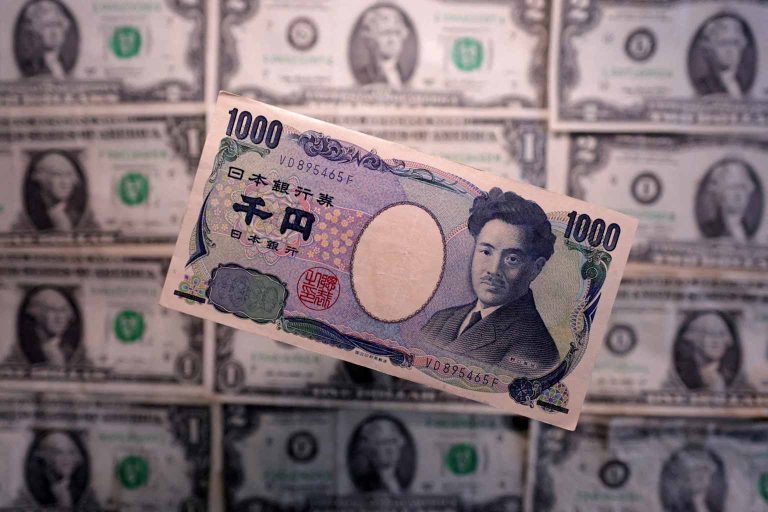
cnbcfinance.yahoo+1chosunIn what market sources described as an unprecedented coordinated move, Japanese and South Korean authorities intervened in foreign exchange markets late on July 30, selling dollars to support their currencies, with growing evidence that the United States participated in the effort. The intervention lifted the Korean won by roughly 2% and pulled the yen back from 40-year lows, triggering a wave of foreign buying in Seoul's stock market.
Japanese authorities conducted massive yen-buying operations during New York trading hours on July 30, with Bank of Japan data suggesting Tokyo may have spent as much as $58.97 billion to support the yen, according to Reuters. South Korea simultaneously sold dollars in a rare intervention of its own, a market source told Reuters, as the won had slumped to a 17-year low of 1,561.50 per dollar in June.reuters
Japanese Finance Minister Satsuki Katayama is expected to formally announce on Monday, August 3, that Tokyo and Washington took "joint action" in the currency market, with one government official telling Reuters that "the operation is still ongoing". The coordination was further underscored when U.S. Treasury Secretary Scott Bessent was photographed at a cabinet meeting on July 31 with a notepad listing a task to purchase between $5 billion and $10 billion worth of yen. The U.S. Treasury also informed several banks that it could intervene further and instructed them to "stand ready for future action".cnbc+1
The action marks the first joint U.S.-Japan currency intervention since 2011. South Korea's participation alongside Japan added another layer: Reuters noted it would be "unprecedented for South Korea and Japan to intervene by selling dollars at the same time," and that because the won and yen are closely linked, joint intervention "could double the effect".finance.yahoo+2
The intervention's effects rippled through South Korea's stock market. On July 31, foreign investors recorded a net purchase of 7.2 trillion won in KOSPI stocks — the highest single-day total on record. Monthly foreign net selling narrowed sharply to 9.8 trillion won in July from 48.4 trillion won in June. Citigroup analyst Jin-Wook Kim said funding headwinds for the Korean market had turned into tailwinds, maintaining a KOSPI target of 10,000 points.chaincatcher+1
The won closed the week at around 1,424 per dollar on July 31, down 125.4 won from the end of June. Some analysts see further strength ahead. Moon Da-un at Korea Investment & Securities said the exchange rate could enter the 1,300 won range in the short term this month.chosun
Not all the implications are benign. Analysts warned that a continued yen appreciation could trigger an unwinding of the yen carry trade — the practice of borrowing cheap yen to invest in higher-yielding assets — echoing the disruption that rattled global markets in the summer of 2024. Jonas Golterman, a senior market economist at Capital Economics, told Reuters there is "a possibility of a carry trade unwinding similar to the summer of 2024". Others cautioned the won's gains may prove temporary if rising oil prices increase the probability of a U.S. rate hike, strengthening the dollar once again.chosun