Newsletter Subscribe
Enter your email address below and subscribe to our newsletter
[forminator_form id="25163"]

All voices matter

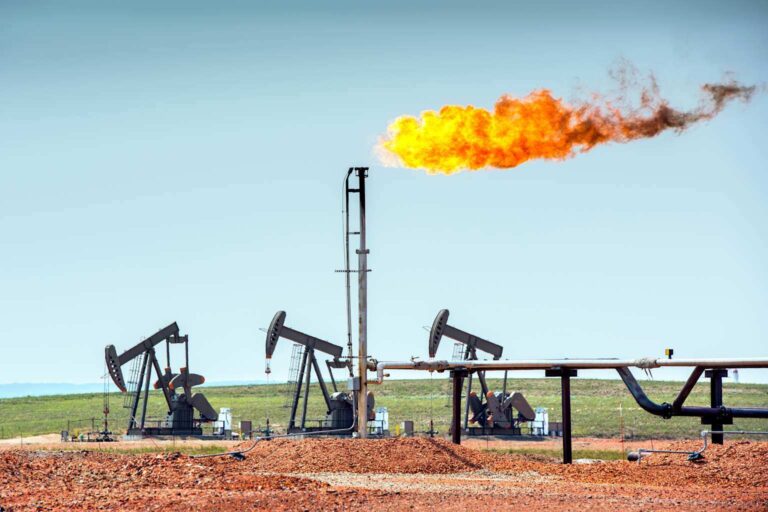
investinginvesting+1investing+1European wholesale natural gas prices capped a turbulent July with their largest monthly gain since early spring, surging more than 30% as military escalation between the United States and Iran disrupted shipments through the Strait of Hormuz and raised fears of prolonged supply tightening ahead of winter.
The Dutch front-month contract at the TTF ICE Endex hub, Europe's benchmark for natural gas, traded around €57–60 per megawatt-hour at month's end, breaking a three-month losing streak and marking the strongest monthly performance since March. Britain's equivalent wholesale contract mirrored the advance.npr+1
The month's price surge was triggered by intensifying military friction between Washington and Tehran. The U.S. launched repeated waves of airstrikes against Iranian targets after Iran attacked commercial vessels transiting the Strait of Hormuz, according to Reuters. Iran declared the strait closed to unauthorized shipping in mid-July, while U.S. Central Command carried out strikes for at least nine consecutive nights to degrade Iranian military capabilities used against commercial vessels.reuters+1
The ongoing conflict placed key LNG transit corridors under severe pressure, raising major hurdles for shipments from Qatar, one of Europe's primary suppliers. Although the first LNG tanker from Qatar passed through the strait after nearly three weeks, signaling a degree of normalization, security risks in the region had not been fully eliminated.aa+1
Compounding geopolitical supply fears, Europe's underground storage replenishment pace slowed throughout July. Unseasonably hot weather across central and southern Europe boosted power demand for cooling, diverting gas toward electricity generation and away from storage facilities. European Union gas storage levels ended July at roughly 55–56% capacity, well below historical five-year averages and lagging the trajectory recorded at the same point last year.investing+1
With storage buffer targets trailing ahead of the official winter heating season beginning November 1, analysts expect European gas futures to remain highly volatile through August. Competition between Asia and Europe for available flexible LNG cargoes has also kept prices elevated.aa+1
Investment funds increased their net long positions on the TTF by 18 terawatt-hours to 265 terawatt-hours in the week ending July 24, following a 65-terawatt-hour increase the previous week. However, analysts at Engie noted that "funds may believe that prices have reached levels that no longer appear justified from a fundamental and technical standpoint, and that the potential for a decline now exceeds the potential for further growth".komersant