


Newsletter Subscribe
Enter your email address below and subscribe to our newsletter
[forminator_form id="25163"]

All voices matter
local10+1local10local10The European Union on Thursday formally opened a bidding process for the construction of seven AI gigafactories, offering 10 billion euros ($11.4 billion) in public funding as the bloc seeks to close a widening gap with the United States and China in artificial intelligence infrastructure.local10
The European Commission said it expects the initiative to attract an additional 20 billion euros in private investment, bringing total spending to roughly 30 billion euros.wsj+1
"Access to the raw scale of computing power within AI gigafactories is a strategic necessity for Europe as AI development accelerates," said Henna Virkkunen, the Commission executive vice president overseeing tech sovereignty.local10
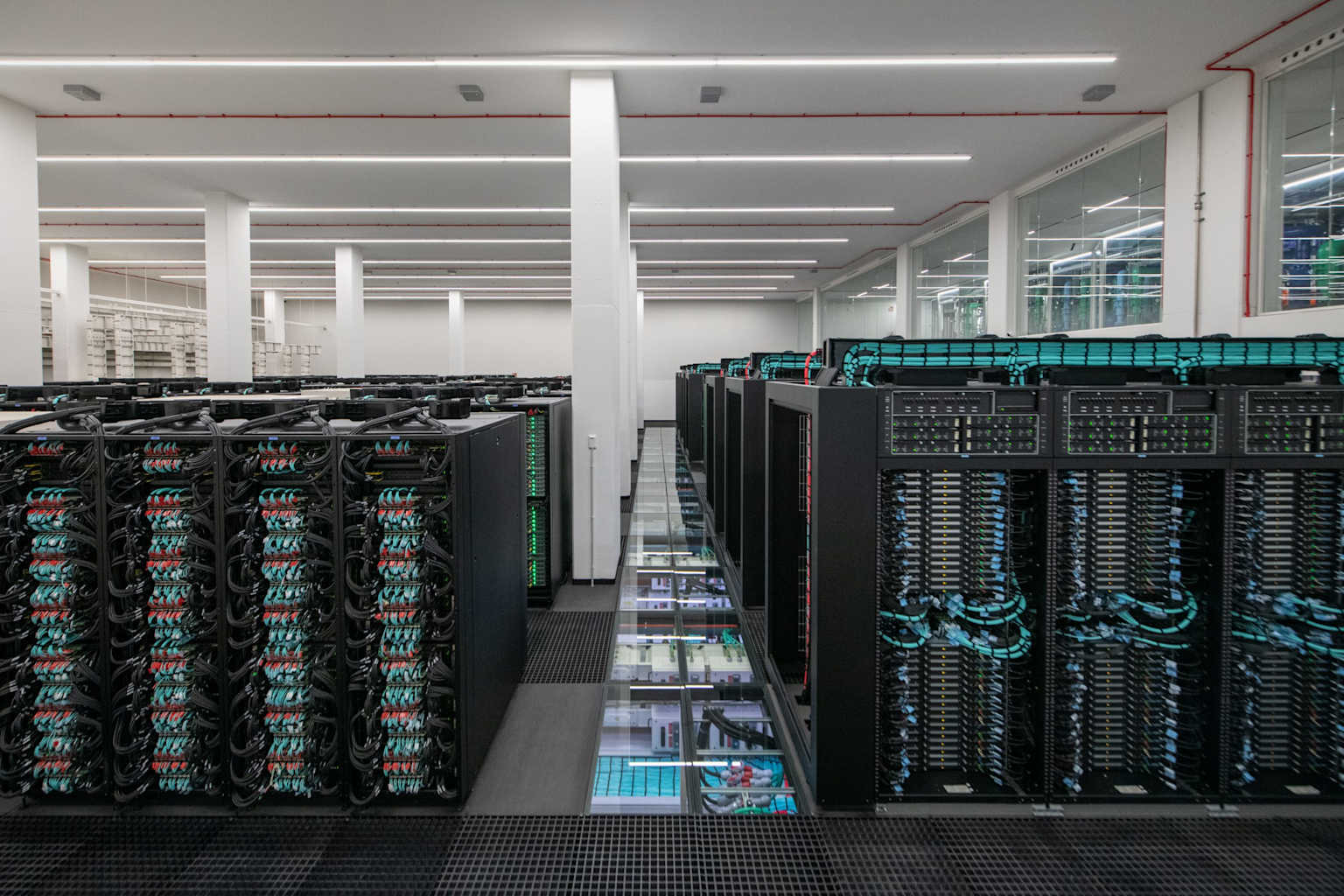
Each gigafactory is planned to house at least 100,000 cutting-edge AI chips, making them roughly four times more powerful than data centers currently operating in the EU. When operational, the seven facilities will more than double the bloc's existing computing capacity, which is currently delivered through a network of 19 AI data centers stretching from Finland to Spain.local10
The push comes amid growing anxiety in Brussels over Europe's dependence on foreign technology providers. A Commission report presented to the European Parliament in June identified the bloc's top five cloud service providers as all American and warned that continued reliance on U.S. hyperscale providers would "expose data to third-country access and carry risks to service continuity, endangering operational autonomy."local10
The competitive pressure is acute. Europe lags behind both the U.S., which captures the majority of private AI investment, and China, which has built enormous electrical power capacity for data centers. Electricity in the EU can cost double or triple what it does in the U.S. and China, according to the Commission report.local10
The Commission said AI products developed through the expanded data center network will "follow EU standards on data protection, safety, security and ethics." France's Mistral currently operates one of the largest AI data centers in the EU at its Paris campus but has not kept pace with American competitors like OpenAI or Chinese rivals like DeepSeek.local10
While leaders such as French President Emmanuel Macron have raised alarms about Europe lacking homegrown AI companies, the continent also grapples with concerns about economic disruption and privacy. In June, 40 mayors worldwide signed a pact to curtail the negative impact of AI data center construction on natural resources, energy prices, and climate targets.local10


