Newsletter Subscribe
Enter your email address below and subscribe to our newsletter
[forminator_form id="25163"]

All voices matter
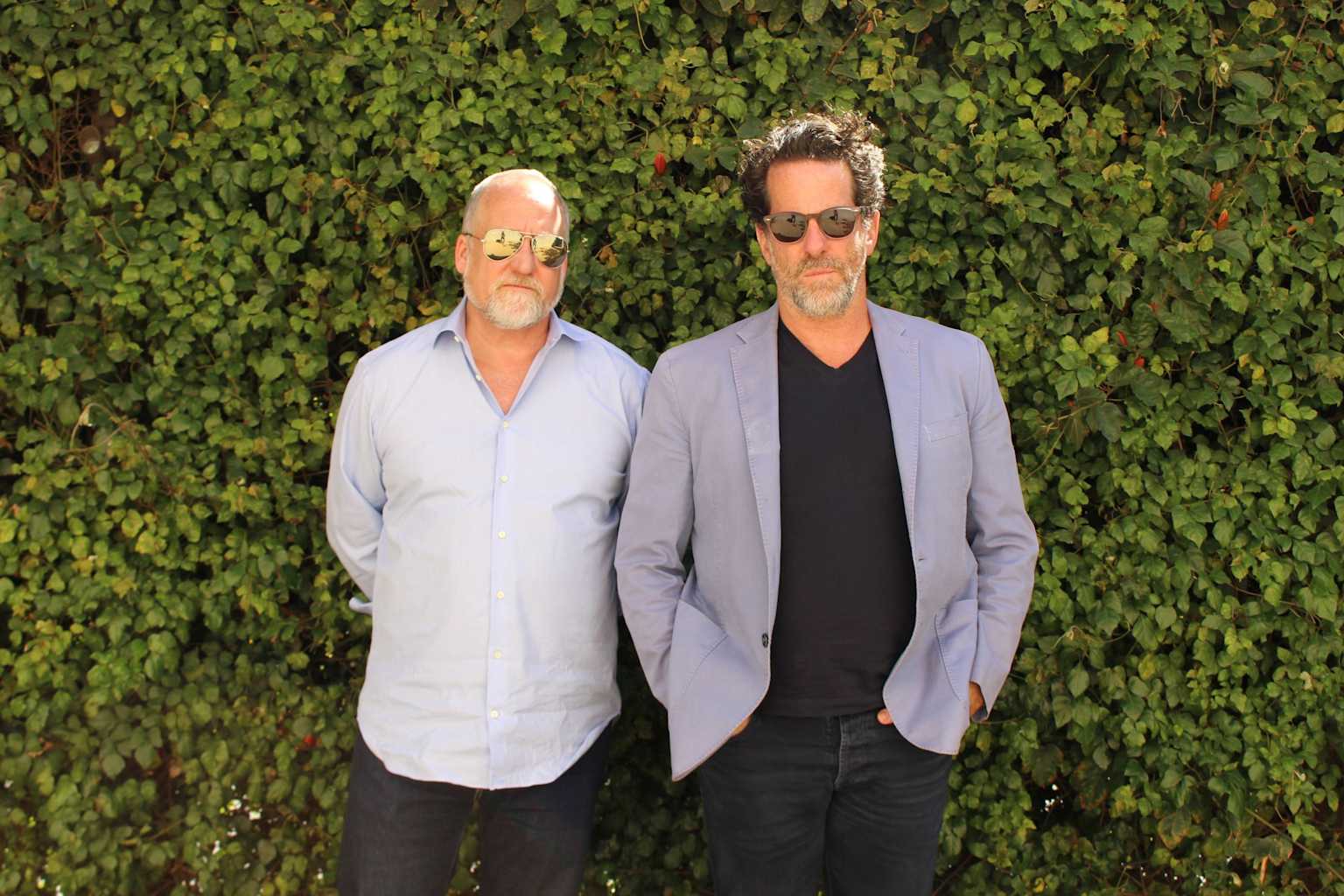
news.artnet+1.news.artnet+1.hypebeast+1.hypebeast.hypebeast+1.Veteran art dealer Tim Blum has announced the closure of his eponymous galleries in Los Angeles and Tokyo, with the fate of a planned New York space still undecided, citing burnout from the relentless pace of the traditional gallery system rather than financial concerns as the primary reason for his departure after three decades in the business.
In place of the traditional gallery format, Blum envisions transitioning to "a more flexible studio model" without permanent public spaces or a formal artist roster. This new approach will allow him to engage with artists and ideas through collaborations, special projects, and what he describes as "longer-term visions still in development." Despite stepping away from brick-and-mortar operations, Blum remains committed to the art world, stating, "Of course I'll still be buying and selling art. It's part of my DNA."fadmagazine+3
The shift comes at a time Blum describes as "a paradigmatic shift" in the art market, where he recently acknowledged at Art Basel that "collectors have more negotiating power right now." His decision follows his former partner Jeff Poe's exit in 2023, who similarly sought "a simpler and more fluid path" away from the demanding gallery system. Blum's final exhibitions in Los Angeles—featuring Tomoo Gokita, Sarah Rosalen, and Wilhelm Sasnal—will close on August 16, while Tokyo's "Surface and Signal" group show concludes on August 2.news.artnet+2
After Jeff Poe's departure in August 2023, Tim Blum quickly repositioned the gallery, renaming it simply "BLUM" by October of that year. This rebranding coincided with ambitious expansion plans, including a new 6,200-square-foot space at 9 White Street in Tribeca slated for 2024. During this transition, longtime New York-based partner Matt Bangser was appointed to the newly created position of Managing Partner to help navigate the gallery's evolution.fadmagazine+2
The gallery had originally planned to celebrate its 30th anniversary with the New York relocation, featuring a survey exhibition of Japanese art from the 1960s to present day—a nod to Blum's first trip to Japan four decades ago that "catalyzed the gallery's groundbreaking work with Japanese and international artists." However, less than two years after this restructuring and just months after Art Basel 2025—which Blum described as a "thunderclap—confirmation of everything I've been feeling for years"—he made the decision to shutter the physical spaces entirely.businessoffashion+1
Tim Blum's fascination with Japan began in 1984 when, as a UCLA student, he first visited Tokyo and became immersed in its underground cultural scenes. This initial encounter evolved into a transformative relationship that would define his gallery's identity for three decades. After living in Japan for five years from 1989, working in galleries and a private museum, Blum returned to the US with a mission to build bridges between Japanese and American art worlds.theartnewspaper+1
The gallery's impact on introducing Japanese contemporary art to Western audiences cannot be overstated. Blum gave Yoshitomo Nara his first US exhibition, a significant milestone that helped launch both the artist and the gallery. His friendship with Takashi Murakami, whom he met in 1991, led to Murakami's breakthrough 1997 Los Angeles show and his pivotal 1999 Art Basel presentation that introduced the Superflat movement internationally. Despite initial resistance—Blum and Poe were "looked at like fucking idiots" and "completely dismissed" by the art establishment—their persistence paid off dramatically, with Nara's work eventually commanding $25 million at auction. Through approximately sixty-five exhibitions of Japanese postwar art over thirty years, the gallery showcased key movements including Gutai, Mono-ha, and Superflat, establishing itself as the longest-standing foreign gallery with an exhibition space in Tokyo.news.artnet+3