Newsletter Subscribe
Enter your email address below and subscribe to our newsletter
[forminator_form id="25163"]

All voices matter
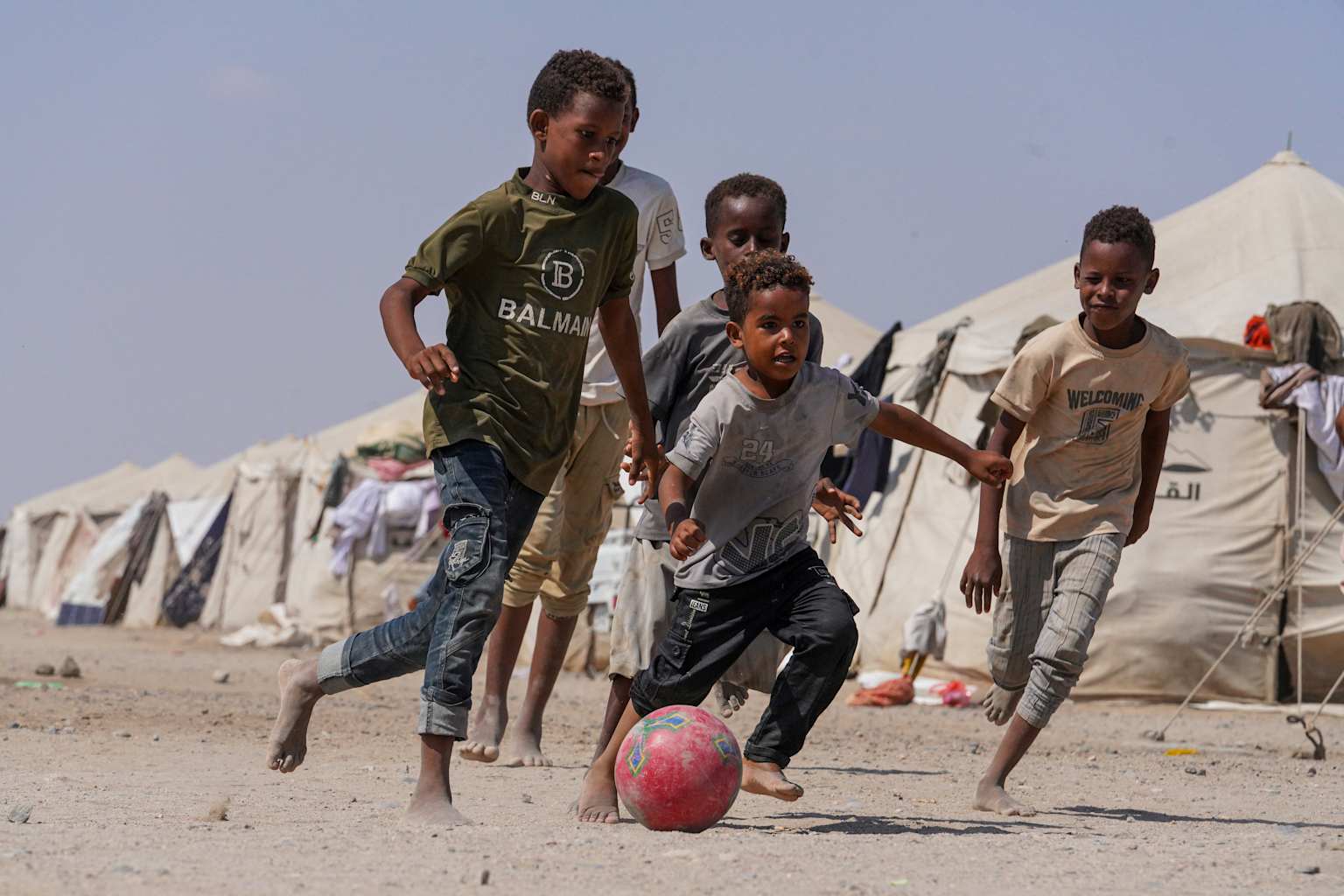
wsj.com+1.press.un.org.turkiyetoday.com.When Saudi Arabia asked Yemen's Iran-backed Houthis what it would take to stop their attacks, the group asked for $51 billion and formal recognition as Yemen's legitimate rulers, The Wall Street Journal News Corp reported on Nov. 5, citing people familiar with the talks. Riyadh reached out after the Houthis attacked Saudi oil tankers in the Red Sea and took territory overlooking the Bab al-Mandeb Strait. The demand leaves the kingdom with two bad choices. It can pay a heavily armed adversary on its southern border, or it can fight a longer war that is already reaching its airports and oil facilities.wsj.com
The Houthis said the money would cover damage from years of Saudi airstrikes and a long blockade. Other figures have come up since, but the message was that any exit would cost tens of billions of dollars, according to the Journal. Recognizing the Houthis would also mean Riyadh dropping its support for Yemen's internationally recognized government, The Media Line noted.themedialine.org+1
Saudi officials fear that agreeing could encourage the group to come back for more. "The bigger problem is establishing a precedent whereby the group can escalate militarily whenever it wants additional concessions or money," Maged Al-Madhaji of the Sana'a Center for Strategic Studies told the Journal.turkiyetoday.com
Saudi officials said Crown Prince Mohammed bin Salman does not want to enter full talks until he has battlefield gains to use as leverage. He also worries that sending more troops could be bloody and stir anger at home. Dozens of Saudi personnel have already been killed without public acknowledgment, Türkiye Today reported, citing the Journal. The United Arab Emirates left the campaign last December, and the U.S. has declined to provide direct support.turkiyetoday.com
Yemen's army says its "Dawn of Yemen" offensive, launched Oct. 5, has made gains in Al-Jawf and Taiz. Meanwhile, the Houthis have pushed to within about 50 miles of Aden, the seat of the recognized government.
The fighting resumed in July. The Houthis first targeted Saudi-linked shipping and then oil infrastructure, according to CSIS. Strikes on Riyadh's King Khalid International Airport on Oct. 10 and 11 killed 13 people and wounded more than 300, according to a UN Security Council statement condemning the attacks. Attacks have also hit Saudi Aramco facilities. Saudi air defenses intercepted another missile aimed at the south on Nov. 2, Reuters reported.csis.org+2
The Houthis present Riyadh with "few viable military options against an adversary that is well-entrenched, dug in, and has far less to lose from a grinding war of attrition," said Kristian Coates Ulrichsen of Rice University's Baker Institute, as quoted from the Journal's reporting.turkiyetoday.com