Newsletter Subscribe
Enter your email address below and subscribe to our newsletter
[forminator_form id="25163"]

All voices matter
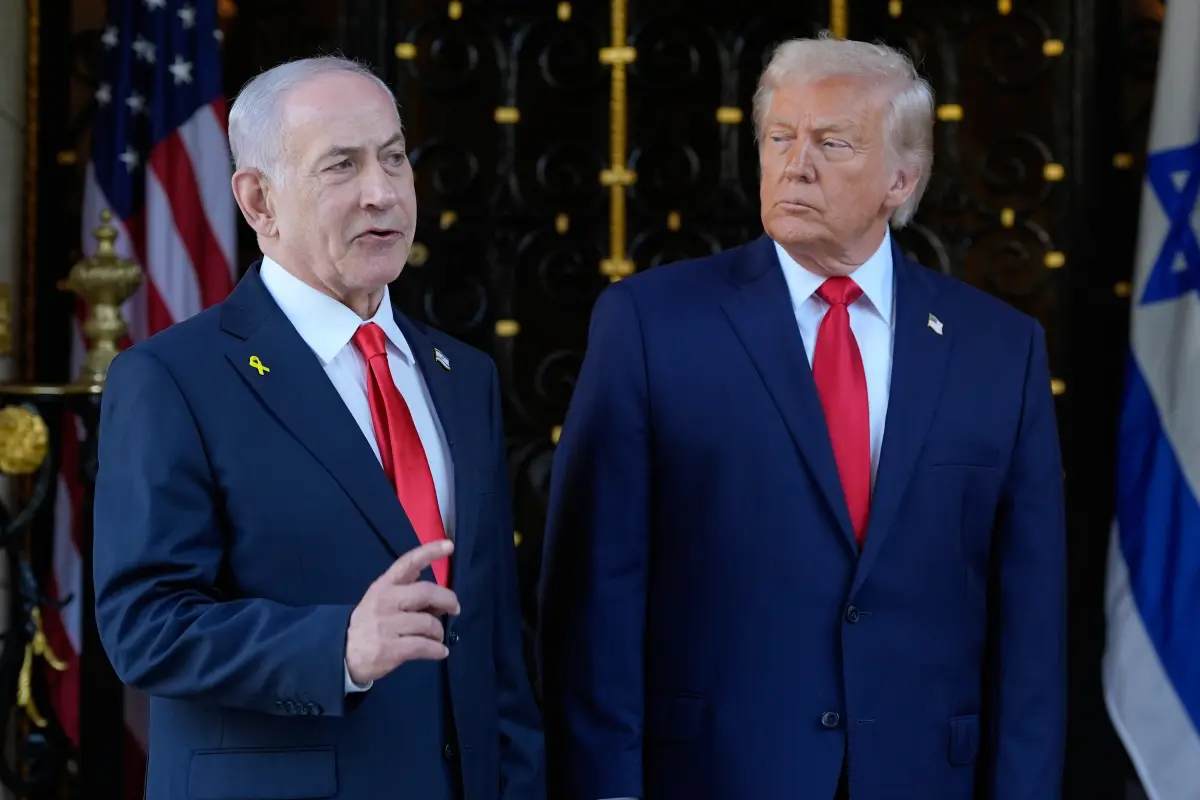
wsj.com.latimes.com+1.latimes.com.President Donald Trump said Tuesday, November 3, that the US will stop its roughly $4 billion in yearly military aid to Israel after 2026. He said Washington will still sell Israel weapons. Two days later, reporting on a State Department document showed how hard such a cutoff would be. Israel has about $10 billion in American arms orders that the current aid deal does not cover.
The Wall Street Journal News Corp reported that the US has already pledged nearly $7 billion in aid over the next two years. Beyond 2028, Israel would still need about $10 billion to pay for orders it had placed as of April 1. According to a State Department letter to Rep. Joaquin Castro, that money "could be covered either by FMF, national funds, or both," Ynet reported. FMF is the US foreign military financing program. The orders include a planned squadron of 25 F-35 fighter jets.wsj.com+1
Trump spoke in a Fox News phone interview on midterm Election Day. "We've already agreed that by the end of this year we won't be paying Israel. Now we'll help Israel if they need it," he said, according to Jewish Insider. He said Netanyahu raised the idea himself. He also called the aid an "easy target" for Democrats, such as Michigan Senate candidate Abdul El-Sayed, AP reported.jewishinsider.com+1
The timeline doesn't match existing commitments. The 2016 agreement provides $3.8 billion a year through September 2028, the Times of Israel noted. AP said an abrupt cutoff would be "all but impossible" and that Congress will have a large say. Netanyahu's office did not comment in the hours after the announcement. Politico noted that Netanyahu has said he wants to bring US support down to zero. He has described that as a phase-out over about a decade.politico.com+1
Haaretz estimated the move could remove about 12 billion shekels from Israel's defense budget starting next year, The New Arab reported. That would come as war spending keeps rising. Israeli opposition leaders criticized Netanyahu. Gadi Eisenkot said the defense establishment learned of the change "through the media, at the same time as the Israeli public," AP reported.latimes.com+1
The fight now moves to a Congress that Democrats will control after Tuesday's midterm results. Lawmakers are also working on proposals to replace direct financing with joint weapons development, World Israel News reported. Former State Department official Josh Paul told the Journal, "It's not plausible we stop by the end of this year." Castro put the open question plainly: "There's an issue of who's going to pay for that."worldisraelnews.com