Newsletter Subscribe
Enter your email address below and subscribe to our newsletter
[forminator_form id="25163"]

All voices matter
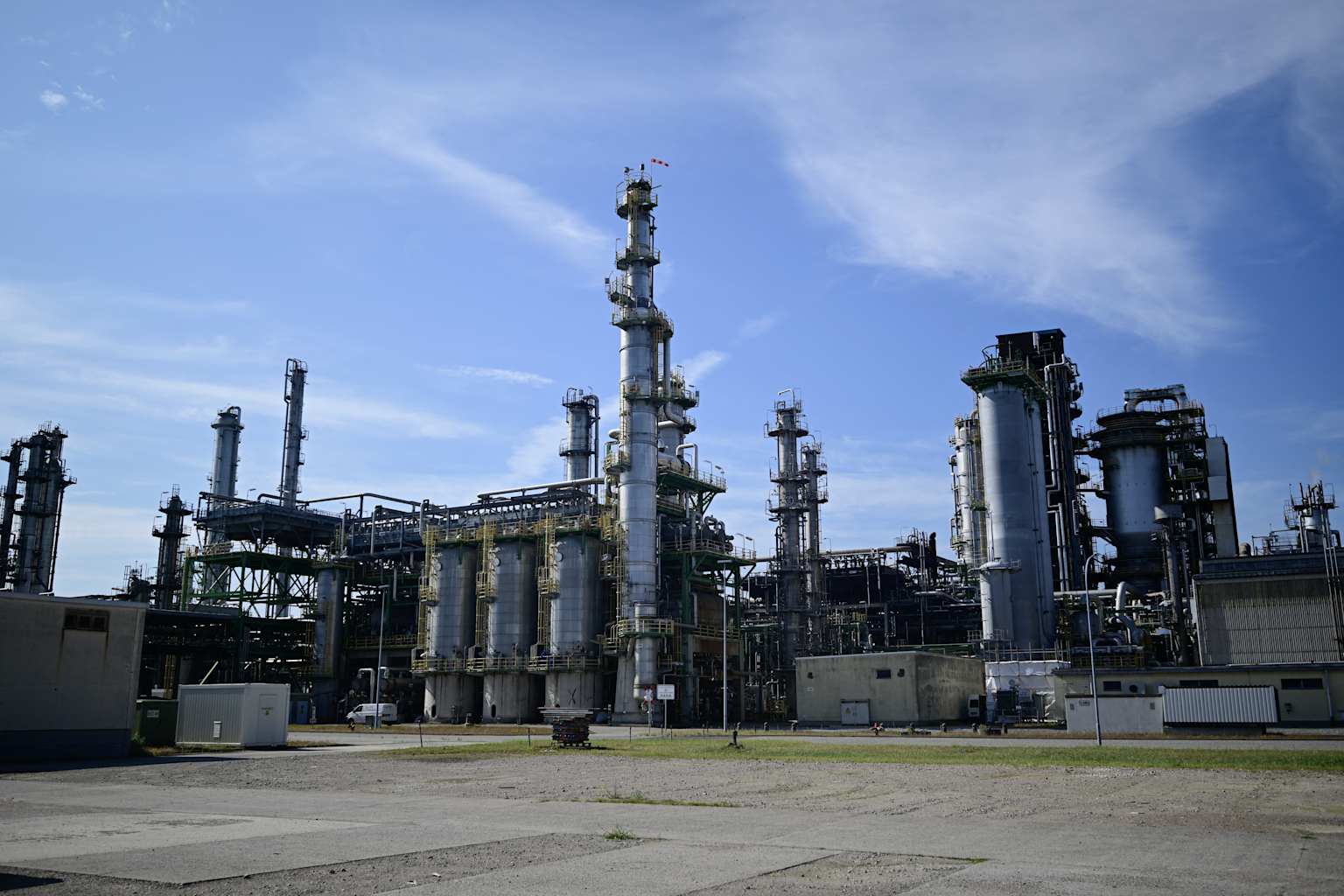
ft+1eadaily+1ofac.treasury+1Carlyle Group's The Carlyle Group Inc. proposed acquisition of Lukoil's overseas oil business has been stuck in the US government approval process for nearly 10 months, leaving roughly 400,000 barrels a day of European refining capacity underutilised while global fuel prices surge, according to the Financial Times.ft
The transaction, announced on January 29, 2026, would sever Russia's second-largest oil company from assets across 17 countries, including upstream operations in Iraq, refineries in Romania and Bulgaria, and retail networks spanning multiple markets. Kazakhstan holdings, including stakes in the Tengiz and Karachaganak fields, were carved out of the deal. Analysts have valued the portfolio at roughly $22 billion.streamlinefeed+2
The Office of Foreign Assets Control, the US Treasury arm that enforces sanctions, has issued a series of general licenses — now in their tenth iteration — allowing negotiations and due diligence to continue. The latest, GL 131J, extends through October 22, 2026. But OFAC has drawn a firm line: the licenses permit talks, not a closing. Any contract must be "expressly contingent upon the receipt of a separate authorization from OFAC," and no such authorization has been granted.ofac.treasury
The sanctions trace to October 22, 2025, when OFAC designated Lukoil to increase pressure on Russia's energy sector over the war in Ukraine. The UK followed with its own restrictions. On August 12, the UK's Office of Financial Sanctions Implementation issued a general licence exempting Lukoil International GmbH until February 2027 and extended Bulgarian subsidiary waivers to October 29.streamlinefeed+1
Carlyle continues due diligence and has explored partnerships to share the deal's complexity. The agreement is non-exclusive; Lukoil has also held discussions with ExxonMobil Exxon Mobil Corporation , Chevron , Quantum Energy Partners, and Abu Dhabi's IHC.cryptobriefing
The most visible fallout is in Romania. Lukoil's Petrotel refinery in Ploiești, which represents about 20% of the country's refining capacity, has been shut since October 2025 and entered insolvency proceedings in August. Some 460 companies that serviced the plant face potential bankruptcy, and roughly 8,000 workers have lost their jobs.eadaily+1
In Bulgaria, the Neftohim Burgas refinery — the largest in Southeastern Europe with capacity of 190,000 barrels a day — operates under an external administrator but has pushed runs to their highest level in five to six years.streamlinefeed
Carlyle told the Financial Times that "there is significant underutilised refining capacity across Lukoil's European assets that could help bring additional refined-product supply to market". European governments now face a stark tradeoff between enforcing sanctions and protecting domestic energy security — a tension that sharpens with each month the deal remains unsigned.streamlinefeed