Newsletter Subscribe
Enter your email address below and subscribe to our newsletter
[forminator_form id="25163"]

All voices matter
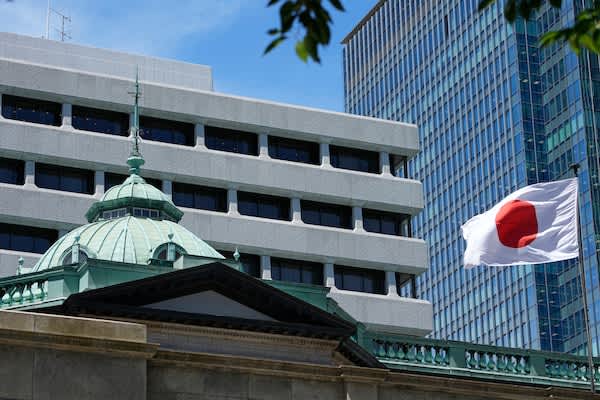
gurufocus+1devdiscoursereutersGlobal equities and bonds came under pressure on Friday as a week of coordinated central bank tightening drew to a close, with the Bank of Japan becoming the latest major institution to raise rates in the face of persistent inflation driven by oil prices above $100 a barrel.
The BOJ raised its policy rate to 1.25% from 1% in a 7-2 vote on Friday, lifting borrowing costs to a 31-year high. The decision capped a week that began with the Federal Reserve's first rate increase in more than three years on Wednesday, bringing the federal funds rate to a target range of 3.75%-4%. The European Central Bank had raised rates the previous week and flagged the need for further tightening.devdiscourse+4
On Wall Street, the Dow Jones Industrial Average fell 0.4%, the S&P 500 declined 0.2%, and the Nasdaq Composite slipped 0.1% on Friday. European stocks fell 1.1%. MSCI's gauge of global stocks dropped 0.2%.devdiscourse
Reuters reported that the prospect of a new global rate-tightening cycle is "coming into view" as central banks raise rates and signal more may follow. ECB President Christine Lagarde pushed back on Friday against market expectations for aggressive hikes, saying the bank was taking a "measured response" and that rates do not move "in lockstep with the price of energy".reuters+1
The 10-year U.S. Treasury yield touched 5% earlier in the week, its highest level since 2007, before easing slightly to around 4.95% after the Fed's rate hike signaled resolve on inflation. Korean, German, and Japanese government bond yields also retreated modestly but remained near multi-year highs.biz.chosun+2
Fed Chair Kevin Warsh said "inflation is too high and has lasted too long," emphasizing that "the main focus is price stability". The dollar index rose 0.1%, while the Japanese yen weakened 0.6% against the greenback to 156.88 per dollar after the BOJ decision.devdiscourse+1
Brent crude fell for a third consecutive session on Friday but remained above $100 a barrel as traders weighed Middle East supply disruptions against hopes for alternative shipping routes. A week of Houthi attacks threatened Saudi oil infrastructure, though Saudi Arabia's shift of some exports through the Strait of Hormuz eased fears of a major supply outage.cnbc+2
"The market is coming to the realization of a higher interest-rate environment on a go-forward basis," said Kieran Osborne, chief investment officer at Mission Wealth. "The situation in the Middle East doesn't appear to be abating anytime soon".devdiscourse