Newsletter Subscribe
Enter your email address below and subscribe to our newsletter
[forminator_form id="25163"]

All voices matter

thenationalnewsegyptian-gazettethenationalnewsIran's central bank governor acknowledged on Wednesday that the country's oil exports have dropped to zero amid the ongoing war and U.S. sanctions, as Gulf states launched a diplomatic push to restore shipping through the Strait of Hormuz and oil prices rose on tightening supply concerns.
Central Bank of Iran governor Abdolnaser Hemmati confirmed in a televised interview that Iran is no longer exporting oil. "There is no doubt that we face restrictions on oil exports," Hemmati said. "It is a reality that we are not exporting oil." He noted that Iraq and Qatar face similar disruptions to their oil revenues due to the closure of the strait, but said Iran's situation is uniquely severe because Washington has frozen its foreign currency reserves.thenationalnews+3
Hemmati added that funds Iran expected to be released under the Islamabad Memorandum — a framework peace agreement reached with Washington in June — have not yet been freed. Before the war, Iran exported $12 billion worth of goods and services to Iraq annually.egyptian-gazette
Qatar and Oman on Thursday led a regional initiative seeking an interim deal to reopen the strait. Qatar's Prime Minister Sheikh Mohammed bin Abdulrahman said Doha was mediating between Iran and the United States. "Freedom of navigation must be guaranteed without intervention from any country, and these maritime routes should not be held hostage to political blackmail," he said.thenationalnews
Oman's Foreign Minister Badr Albusaidi said the sultanate "rejects further escalation or conflict" and stressed commitment to maritime security under international law. Traffic through the strait has slowed sharply, with just six commodity vessels crossing on Tuesday — well below the 10-day average of 11, according to Kpler data cited by Reuters.reuters+1
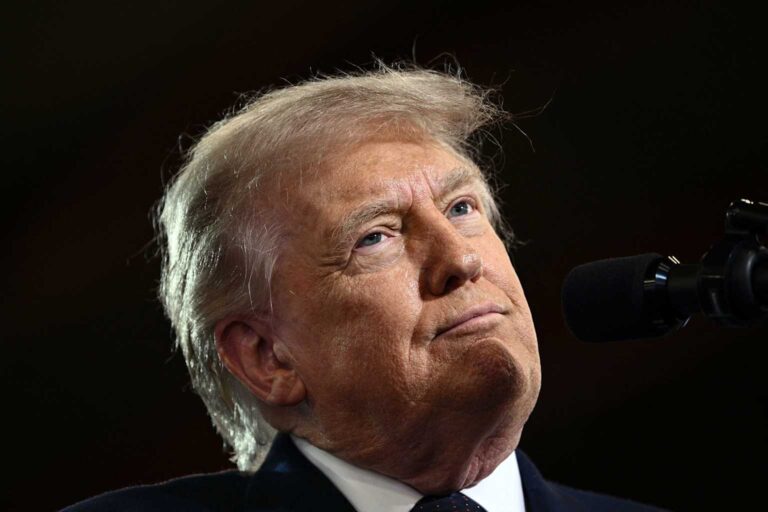
The diplomatic efforts follow U.S. President Donald Trump's declaration of what he called "Economic D-Day" against Iran. In a Truth Social post on Wednesday evening, Trump warned that any country, financial institution, or business assisting Iran would face "tremendous economic consequences." "Oil smuggling, swap lines, cash transfers, exchange houses, ship registries, front companies — It all needs to stop NOW," Trump wrote.jpost+2
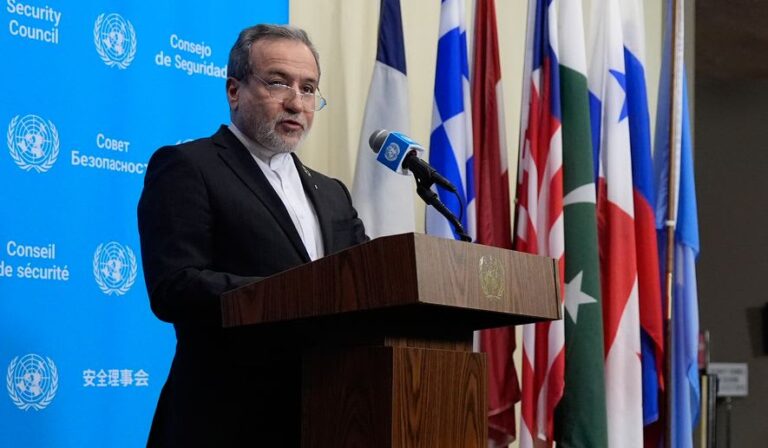
Iranian Foreign Minister Abbas Araghchi dismissed the threat, calling it "a diversion from America's own crisis" of debt and interest costs, and warned that the pressure campaign would fuel hostility toward Iranians. Oil prices climbed on persistent Middle East supply concerns, with Brent crude trading above $91 per barrel earlier this week amid fading hopes for a diplomatic resolution.channelnewsasia+3