Newsletter Subscribe
Enter your email address below and subscribe to our newsletter
[forminator_form id="25163"]

All voices matter
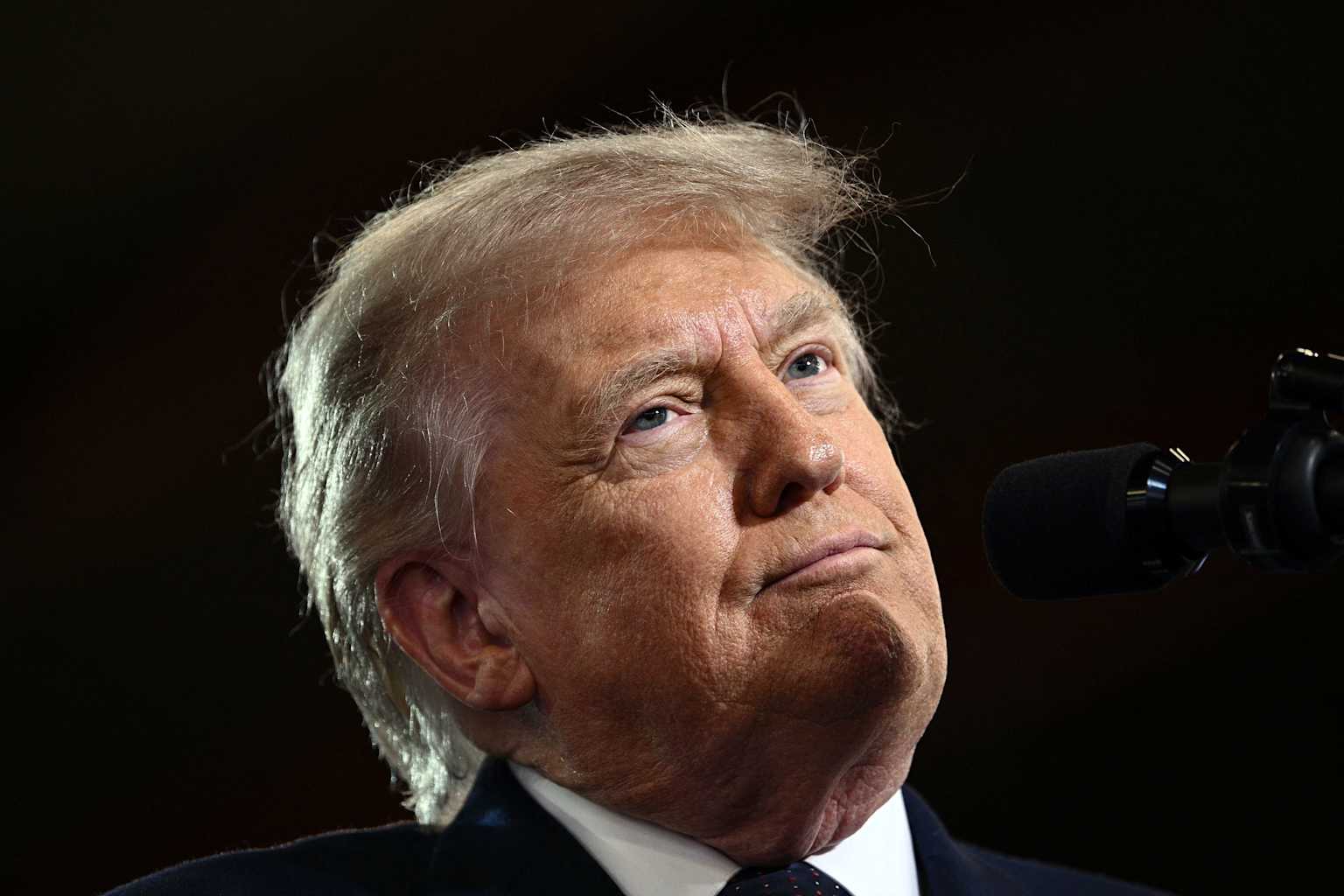
cnn.com.latimes.com.abcnews.com+1.President Donald Trump said on Sunday, November 8, that it is "highly unlikely" he will have to send the US back to war with Iran, as long as talks on Tehran's nuclear program and reopening the Strait of Hormuz keep moving. He said this five times during a 20-minute phone interview with CNN's Jim Sciutto. The conflict is now eight months old. Neither side has made much military or diplomatic headway, and Iranian forces have kept attacking tankers in the strait.cnn.com
"It depends on whether or not they sign a very strong agreement," Trump said, according to Reuters. "The answer is, highly unlikely it's going to be necessary." He also called Iran "a failing nation" and said "we could finish them off".reuters.com+1
Trump said US forces were ready if he gave the order. "I've got three aircraft carriers here. The other one just arrived," he said. "They're fully locked and loaded". He said the US has picked out infrastructure targets, including power plants and "38 bridges in our site that we can knock down in literally one hour." He added that he would rather not hit them, because rebuilding would take about 10 years.aa.com.tr+1
Trump also said Iran's air defenses were gone. He said the country still has about 10% of its missile capacity and 15% of its drone capacity.cnn.com
The interview followed several days of activity on both the military and diplomatic fronts. On Friday, November 6, Trump said US forces had carried out limited strikes on an Iranian air defense system. He also said that "we are talking to Iran". The same day, Qatar said Trump had called Emir Sheikh Tamim bin Hamad Al Thani to discuss de-escalation. A day earlier, Iranian Foreign Minister Abbas Araghchi had spoken with his counterparts from across the region.latimes.com+1
Regional officials say a Qatari proposal would set out steps over two days. First, the US would lift its blockade of Iranian ports and release some frozen funds, and Iran would let International Atomic Energy Agency inspectors visit its bombed nuclear sites. Next, the strait would reopen and nuclear talks would follow.latimes.com
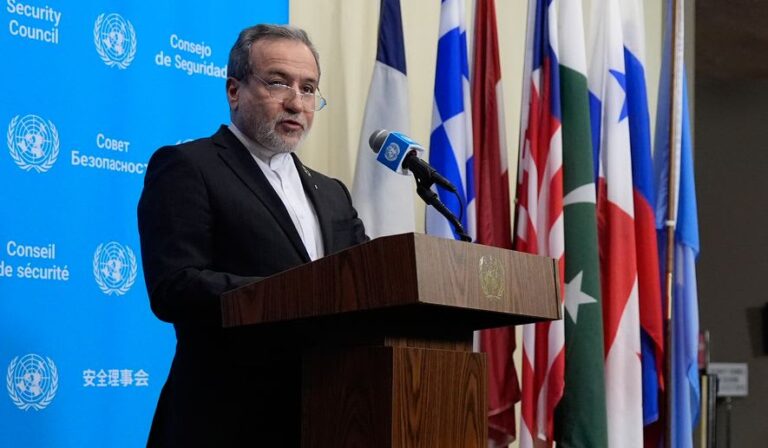
Iran still insists that the US meet its conditions first. "No final agreement can begin, and the Strait of Hormuz cannot be reopened or safe, unless the U.S. naval blockade ends, Iran's demands are respected," Foreign Ministry spokesman Esmaeil Baqaei said. CNN reported that Iranian hardliners see the results of last week's US midterm elections as a sign of a weaker Trump presidency, one that may be more willing to give ground.abcnews.com+1
Trump said he sees things differently. "Most likely it will not be necessary," he said of new military action. "They want to make a deal so badly".cnn.com