Newsletter Subscribe
Enter your email address below and subscribe to our newsletter
[forminator_form id="25163"]

All voices matter

sedaily+1independent+1jpmorgan+1A global memory chip shortage fueled by voracious AI data center demand is pushing up prices for consumer electronics from smartphones to gaming consoles, in a phenomenon the industry has dubbed "chipflation." The crisis shows no sign of easing, with SK Hynix leadership warning that the worst supply imbalance is still ahead and JPMorgan forecasting the shortage will persist for at least two more years.
The cost of DRAM — the standard memory used in computers, phones, and televisions — has risen at a staggering pace. DRAM cost as little as 90 cents per gigabyte in August 2024 but jumped to $3.45 per gigabyte by July 2026, an increase of nearly 400 percent, according to Stanford University data cited by The Independent. JPMorgan estimated in an August report that DRAM prices will have risen more than 400 percent from the start of 2024 to the end of 2026. TrendForce data showed contract DRAM prices surged 90-95 percent in the first quarter of 2026 alone.tech-insider+2
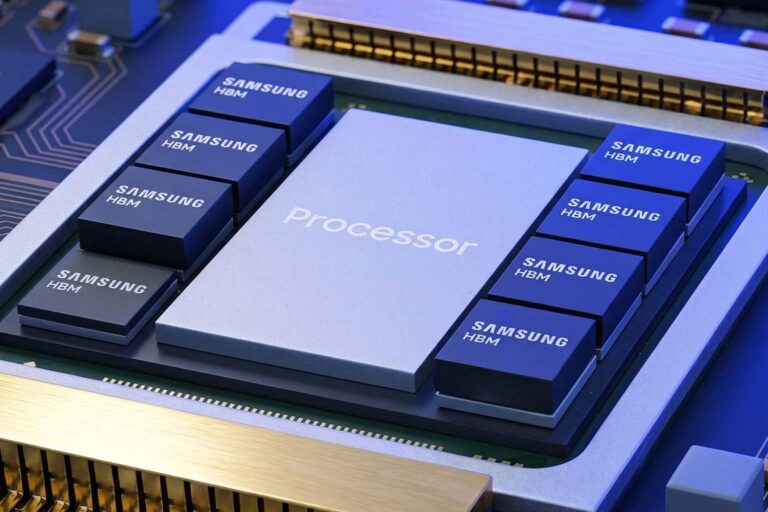
The root cause is straightforward: manufacturers are prioritizing production for AI data centers over consumer electronics. SK Hynix and Samsung, which together control roughly 70 percent of the memory chip market, already have enough orders to exceed supply this year. "They can set almost any price they want, within reason, and consumer electronics makers will be forced to buy these chips," said Nic Puckrin, founder of Coin Bureau, speaking to The Independent.independent
SK Group Chairman Chey Tae-won has repeatedly warned of deepening shortages. In a CNBC interview released on August 13, he signaled intent to build a memory chip fabrication facility in the United States while forecasting that the global memory market will face its worst-ever supply imbalance next year. He stated that customers are requesting supply volumes close to double their original demand, but production cannot keep up. Reuters reported in July that SK Hynix CEO Kwak Noh-jung expects demand to outstrip production capacity well into the next decade despite aggressive expansion.sedaily+2
Axios reported on August 11 that "chipflation is here to stay," with no end in sight to the memory price surge. Cassandra Cummings, CEO of Thomas Instrumentation Inc., told The Independent she doubts prices will ease before 2028.axios+1
The ripple effects are already visible at retail. Laptops cost 20 percent or more because of chipflation, while television prices have risen roughly 10 percent, according to Russ Renzas, a cleanroom director at the University of Nevada, Reno. Nintendo raised the Switch 2 price by $50 in May, Sony increased PlayStation 5 prices by as much as $150, and Apple CEO Tim Cook said in July the company was raising prices by $150 to $300 across its lineup because of memory costs.independent
In India, Vivo hiked prices on several Y-series smartphones, while Xiaomi raised Redmi Turbo 5 prices by up to ₹6,000 just two months after launch. Australia's JB Hi-Fi saw shares plunge nearly 12 percent on Monday after warning that AI-driven memory shortages were disrupting supply and inflating wholesale costs. Valve's Steam Deck OLED prices rose as much as 46 percent.globalsources+3
"It takes years to stand up new chip manufacturing factories to increase supply, and until the supply can meet or exceed demand, the prices will stay high and availability will stay low," Cummings said.independent